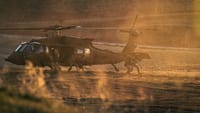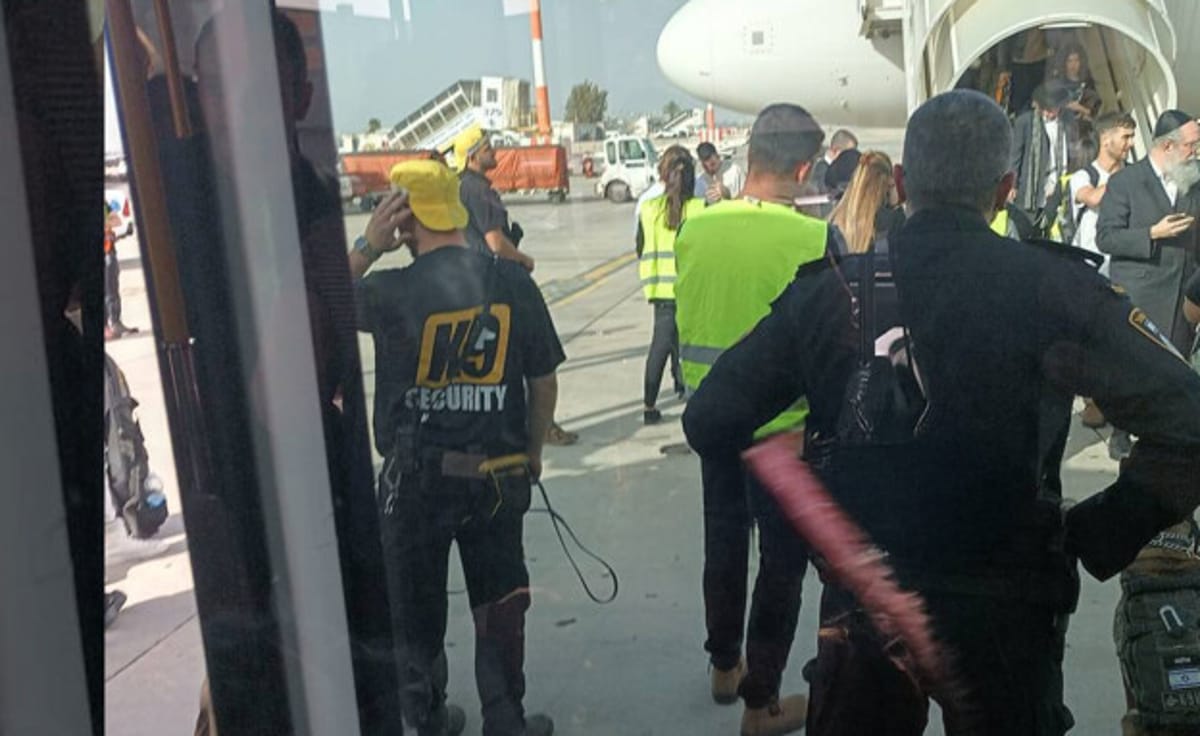
In a dramatic display of Israel's high-alert security posture, Israeli Air Force fighter jets were scrambled on Sunday to intercept and escort a Wizz Air flight arriving from London. The incident, which initially appeared to be a genuine hijacking or mid-air terror plot, was triggered by a digital prank that spiraled out of control. Passengers on the flight reported receiving threatening messages and discovering a local network name labeled "Terrorist" in both Hebrew and Arabic. With tensions already high across the region, Israeli security forces refused to take any risks, launching an aerial escort to guide the plane toward a secure landing at Ben Gurion Airport. Upon arrival, the aircraft was met by specialized security teams and police, who quickly discovered that the national emergency was caused by the reckless actions of a minor.
The "Terrorist" Hotspot Panic
The chaos began deep into the flight from London to Tel Aviv when passengers attempting to connect to personal devices noticed a WiFi hotspot named "Terrorist" in Arabic and "Terrorist" (Machabel) in Hebrew. Panic quickly spread through the cabin as some passengers claimed to have received threatening text messages on their mobile devices. The flight crew was immediately notified and followed strict international aviation protocols, informing the control tower in Israel that a potential security event was underway.
Initial reports suggested the phone belonged to an ultra-Orthodox couple, who claimed their son had "set up the phone" for them before the flight. However, a deeper investigation by security officials at the airport revealed the true source was a minor from Jerusalem. The teenager had deliberately changed his phone settings to display the provocative names, likely as a joke, unaware that his actions would trigger a military response. A passenger noticed the name and alerted a flight attendant, who then informed the captain, leading to the immediate activation of emergency protocols.
Security Response and Precedents
As the plane entered Israeli airspace, fighter jets were already in position, flanking the Wizz Air aircraft to ensure it reached the runway safely and was not being used as a weapon. This level of response is standard for any unidentified or suspicious activity involving commercial flights headed toward Tel Aviv. Once the plane touched down safely, police officers boarded the aircraft and detained the minor for questioning. The Israel Airports Authority later confirmed that "following a suspicion of suspicious conduct on the plane, security forces acted according to procedures in such a case. The event has ended. The plane landed and it was found that there was no actual incident."
This is not the first time digital pranks have paralyzed Ben Gurion Airport. In May 2022, an AnadoluJet flight was halted on the runway after passengers received AirDrop images of crashing planes on their iPhones. In that instance, the flight was delayed for hours as security teams searched every piece of luggage. This latest Wizz Air incident serves as a stark reminder that in the current climate of war, there is no such thing as a harmless prank when it involves aviation security. The event concluded with no injuries or physical damage, though the minor and his family now face significant legal scrutiny for the massive expenditure of military resources.