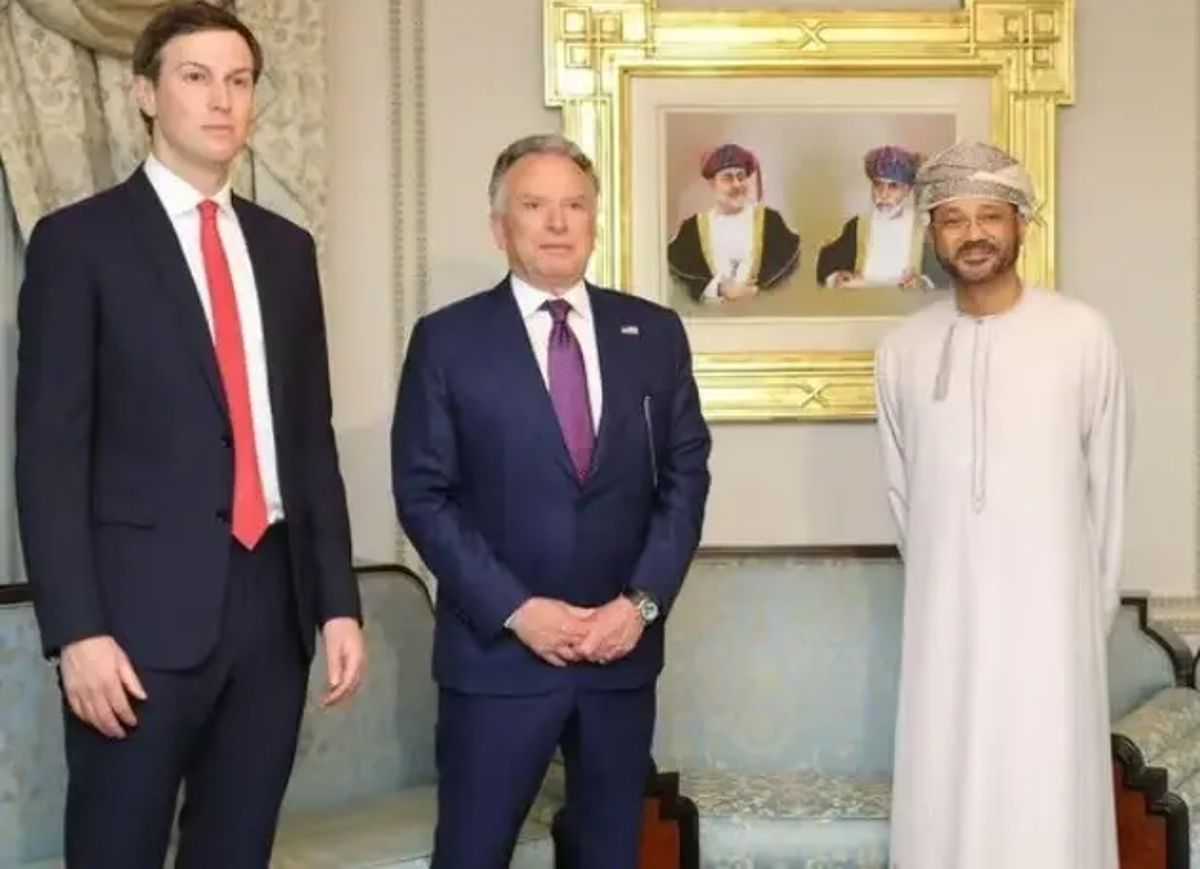
For the first time in eight months, representatives from the United States and Iran have sat down in the same room, but the atmosphere in Muscat is defined more by suspicion than hope. These talks, facilitated by the traditional mediation of Oman, represent a desperate attempt to find a diplomatic exit from a cycle of violence that peaked during the 12-day war in June 2025. While the Trump administration initially demanded a massive expansion of the negotiating agenda, they have temporarily agreed to focus on the nuclear file to keep the channel open. However, the shadow of the previous war looms large, with Iran viewing its ballistic missiles as its most effective defense and Israel viewing those same missiles as a primary target for destruction.
Pressure from the Gulf
The shift of the talks from Turkey to Oman was a significant victory for Iranian diplomacy, as it excluded regional competitors and moved the discussion to a more friendly environment. This move was supported by various Arab leaders who are terrified of the consequences of a full-scale American military campaign. While nations like Saudi Arabia would not mourn the fall of the Iranian regime, they have expressed a strong preference for a "natural" internal collapse of the Islamic Republic rather than a regional war that would inevitably see American bases in their territories targeted by Iranian rockets. These regional allies were instrumental in providing President Trump with a "ladder" to descend from his more aggressive rhetoric, convincing him to maintain the diplomatic track for now.
The Looming Deadline
Despite the current dialogue, the fundamental disagreements remain untouched. Iran wants to resume negotiations exactly where they left off last June, seeking sanctions relief without offering any concessions on its regional proxy wars or missile technology. President Trump, for his part, remains deeply influenced by Israeli intelligence. This week’s flash visit by Prime Minister Netanyahu to Washington is widely expected to reset the American position, likely bringing the missile threat and the regime’s violent suppression of internal protests back to the forefront. American officials admit they are "very skeptical" of any success, knowing that if this diplomatic channel fails, the probability of a massive military operation reaches nearly 100%. For the Iranian leadership, the choice is between a hollow agreement that offers temporary relief or a devastating war that will test their ability to stay standing.