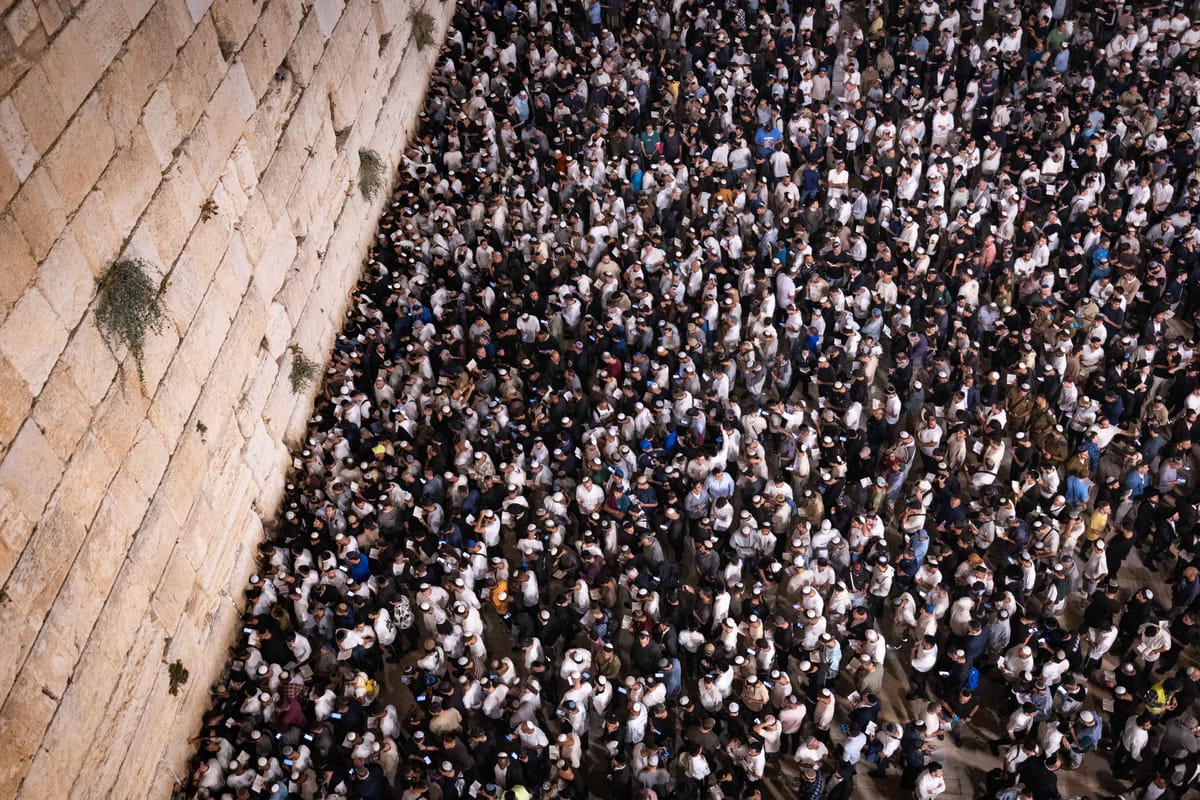
In an era of hyper-connectivity, the modern smartphone has evolved into more than just a tool; for many, it has become a profound behavioral addiction known as "nomophobia." Engineered with the same psychological triggers as casino slot machines, these devices are meticulously designed to capture and hold our attention through a constant stream of notifications and sensory rewards. While the impact on our physical responsibilities and human relationships is well-documented, a deeper and more spiritual crisis is emerging.
Addictioncenter.com reports "Phone addiction is the obsessive use of a smartphone. This behavioral addiction is often dubbed as “nomophobia,” or the fear of being without a mobile device. People with a phone addiction may experience anxiety, agitation, and disorientation if they are unable to use their smartphone.
"...The devices are carefully designed to be hard to put down. Through its colors, sounds, and vibrations, the technology purposely keeps its users engaged. According to former Google design ethicist Tristan Harris, features like “pull to refresh” were inspired by slot machines and other casino games. Designers and engineers meticulously develop every aspect of the device to create fanatical users. The growing popularity and use of social media has fueled social media addiction as well as app-specific addictions, like TikTok addiction, Facebook addiction, Youtube addiction, and Snapchat addiction. Similarly, AI addiction, mobile sports betting apps, and mobile games are keeping smartphone users hooked to their device more then ever...
"While using a phone and social media is not inherently bad, if it is causing you or someone you love to ignore responsibilities and real-life relationships, it may be time to be concerned."
Cell phone addiction not only causes people to
"ignore responsibilities and real-life relationships", more concerning it causes people to ignore and undermine their relationship with G-d.
Kabbalistic writings refer to prayer as a "time of combat", the cell phone is a weapon used by the evil inclination in the spiritual battle for the control of the Jewish mind during davening.
Rabbi Immanuel Schochet wrote "...tefilah is a concise summary of "I have set G‑d before me at all times" (Psalms 16:8). It is a synonym for kavanah, for these two concepts are in effect one and the same.
"Kavanah means proper thoughts and devotion, proper intention and attention, "to clear the heart (mind) of all thoughts and visualize oneself as standing in the presence of the Shechinah."
"Practically speaking, this means that prayer involves two faculties of man: speech and thought. When there is a lack of kavanah, a lack of awareness of the fundamental principle that tefilah means 'standing before the Al-mighty and addressing Him,' there is in effect no prayer.
"The articulation of the words of prayer and the accompanying thought are like the body and soul of prayer, and tefilah without kavanah is "like a body without a soul, a husk without a kernel" of which it is said, "This people draws near, with its mouth and lips it honors Me, but it has removed its heart from Me" (Isaiah 29:13)..."
If "tefilah is a concise summary of "I have set G‑d before me at all times" it makes sense to turn the phone off while davening. Would you text while having a meeting with your boss?
Do you set G‑d or your cell phone before you when davening ? An important part of the battle for kavana during davening is the battle against the cell phone.
For the Jewish worshiper, the smartphone has become a primary antagonist in the "time of combat" that is prayer. By fragmenting our focus, the device directly undermines the essence of tefilah: the requirement of kavanah, or standing with total awareness in the presence of the Divine. To truly set G-d before us at all times, we must first address the device we so often set before our eyes.
Ezequiel Doiny is author of “Obama’s assault on Jerusalem’s Western Wall” and “Jerusalem is the Spiritual capital of Judaism while Mecca is the Spiritual Capital of Islam”