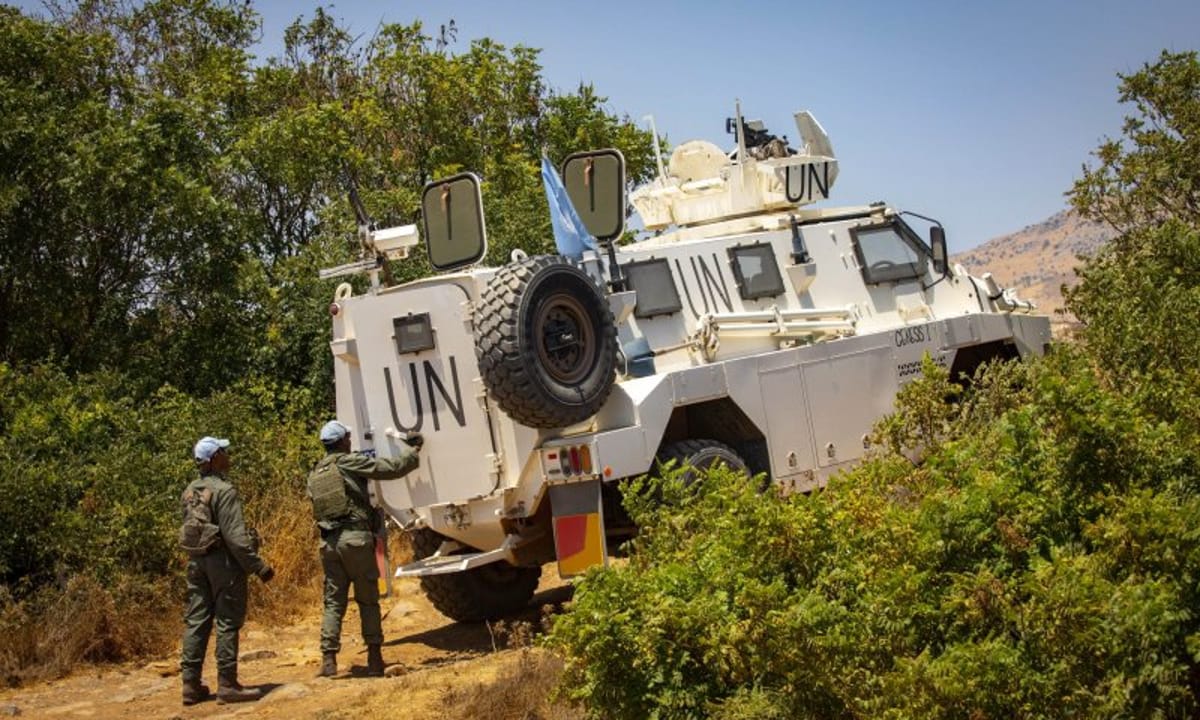
As the war in Gaza enters a transformative new stage, the first foreign military force tasked with replacing the Israel Defense Forces (IDF) is preparing for an imminent arrival. According to reports from the Arab affairs desk at Kan 11 News, Indonesia, the world’s largest Muslim majority nation, is set to deploy thousands of its soldiers to the enclave within the coming weeks. This movement marks the practical beginning of "Phase Two" of the regional ceasefire, which transitions from a simple halt in hostilities to the establishment of an International Stabilization Force (ISF). With the IDF currently finalizing the necessary military and living infrastructure in the southern Gaza Strip, the arrival of Indonesian personnel signals the most significant change in territorial control since the war began.
The Indonesian Brigade Arrives
The initial contingent of the Indonesian force is expected to consist of several thousand troops, potentially reaching the strength of a full brigade, estimated between 5,000 and 8,000 personnel. These units are being prepared to operate under the "Board of Peace," an international governing body recently established to manage the transition in Gaza. While Indonesia has historically trained a reserve of up to 20,000 troops for health, construction, and peacekeeping roles, this specific deployment will focus on maintaining order in areas where the IDF plans a partial withdrawal.
Infrastructure projects are currently underway in the southeast of Rafah to accommodate the incoming forces. Living quarters, medical facilities, and administrative offices are being constructed to ensure the foreign troops can operate independently from Israeli military bases. The deployment is timed to coincide with the completion of these sites, a process expected to take only a few more weeks. For Israel, the success of this handover is critical, as it allows for the reduction of the IDF’s permanent footprint while ensuring that the vacuum is filled by a professional force rather than a resurgence of Hamas terrorists.
Challenges and Tactical Risks
The entry of a foreign force into a war zone as volatile as Gaza presents immense challenges for both the Israeli security establishment and the Indonesian government. A primary concern remains the quality of the force's performance when faced with hostile elements. There is a standing condition that the International Stabilization Force must have no direct contact with Hamas terrorists, yet the reality of operating in Gaza means these soldiers will be on the front lines of enforcing demilitarization.
Furthermore, the transition involves a delicate tactical withdrawal. As Indonesian troops take up positions in the southern sectors, IDF forces will pull back from specific strongpoints they have held for months. This maneuver is being executed with extreme caution to prevent any "security gaps" that could be exploited by local insurgents. The goal of the mission, as outlined by international coordinators, is to provide a "technocratic" bridge toward reconstruction and long-term stability. However, with the regional atmosphere still charged, the performance of these Indonesian soldiers in their first few months will likely determine if other nations feel confident enough to join the international coalition.