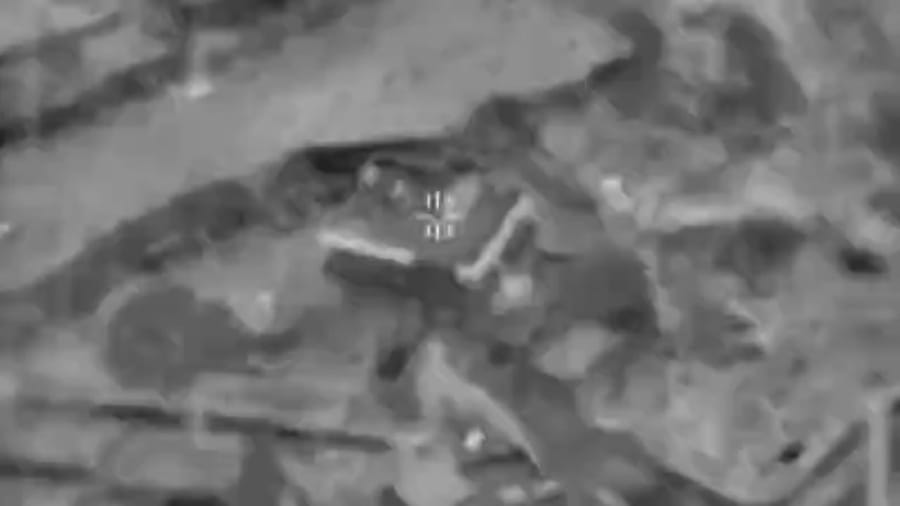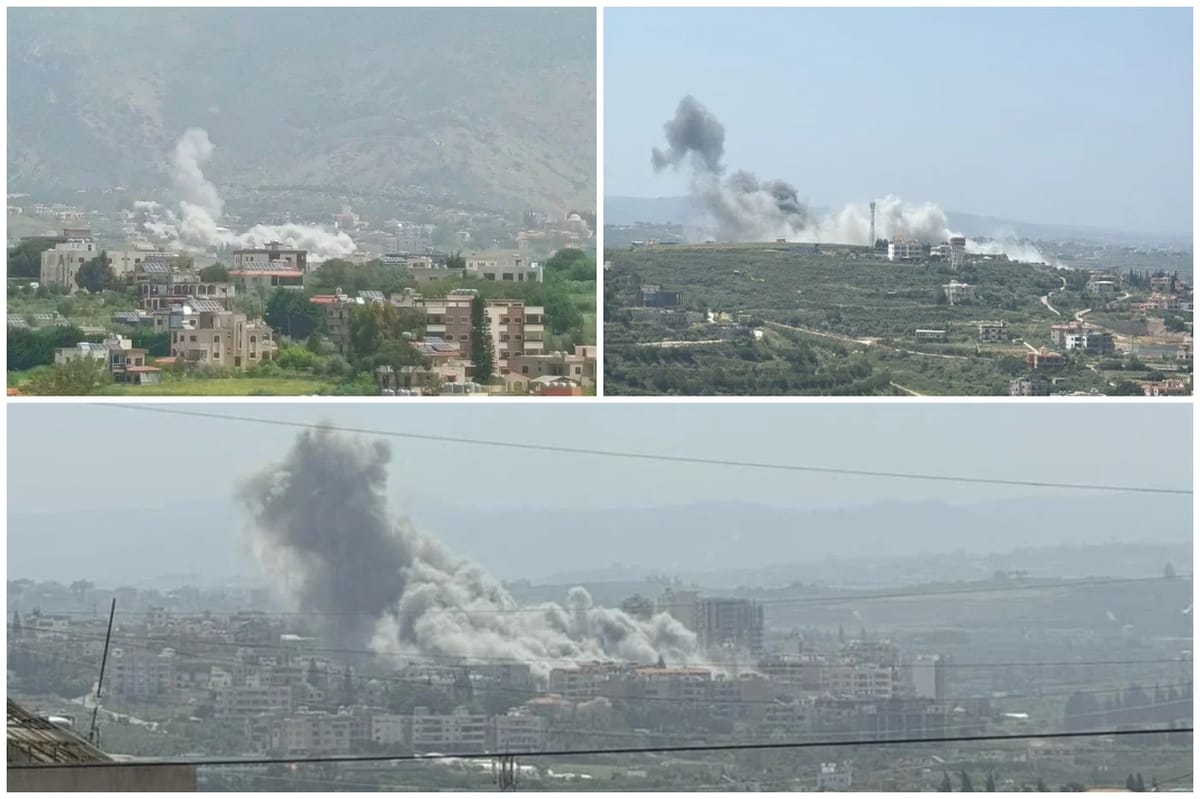
The Israel Defense Forces (IDF) intensified its military campaign in southern Lebanon on Wednesday, striking more than 40 Hezbollah infrastructure sites over a 24-hour period. The surge in aerial activity follows what security sources describe as the most coordinated and powerful drone swarm attack ever launched against Israel.
The Swarm: A New Level of Escalation
The IDF's operations come in the wake of a massive Hezbollah assault involving two waves of drone swarms targeting the northern border. A security source characterized the event as "the most intense drone attack against Israel to date."
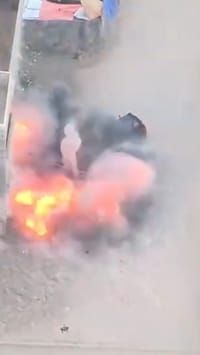
- The First Wave: During the late afternoon, Hezbollah launched drones toward IDF forces in southern Lebanon, wounding two soldiers (one moderately, one lightly). Simultaneously, two additional drones struck a target near the northern border, sparking a large fire.
- The Second Wave: Less than an hour later, a second, more powerful wave of multiple drones was launched. These drones reportedly loitered over their targets for several minutes, searching for optimal strike points.
- Eyewitness Account: An IDF soldier speaking to i24NEWS described the terrifying precision of the technology: "I saw two hit the target, and within five seconds we identified another hovering between the buildings searching for people. You can see everything—the fiber-optic spool, the drone, and a huge explosive charge."
Security officials noted that this was the first identified coordinated swarm attack focused on a single target inside Israel. The primary concern for defense experts is the simultaneity of the threat. "Even if you managed to catch two or three, others are still trying to tail you," a security source noted.
The IDF Response: 40+ Targets Hit
In a direct response to these drone swarms and ongoing ceasefire violations, the IDF launched a series of "precision hunts," striking dozens of Hezbollah assets, including:
- Weapon Storage Facilities: Warehouses containing armaments intended for use against Israeli territory.
- Military Buildings: Structures used by Hezbollah operatives to coordinate terror activities.
- Ready-to-Fire Launchers: Artillery and rocket systems primed for immediate strikes.
The IDF also confirmed the elimination of several operatives who posed an immediate threat to forces on the ground.
Evacuation Warnings and Civilian Safety
Prior to the strikes, the IDF’s Arabic-language spokesperson, Brig. Gen. Avichay Adraee, issued urgent evacuation warnings for several villages, including Maashouk, Yanouh, Burj al-Shemali, Hallousiyat al-Fawqa, Debaal, and Abbassieh.
The military ordered residents to move at least 1,000 meters away from these areas, warning that anyone in the vicinity of Hezbollah facilities or weaponry was in mortal danger.