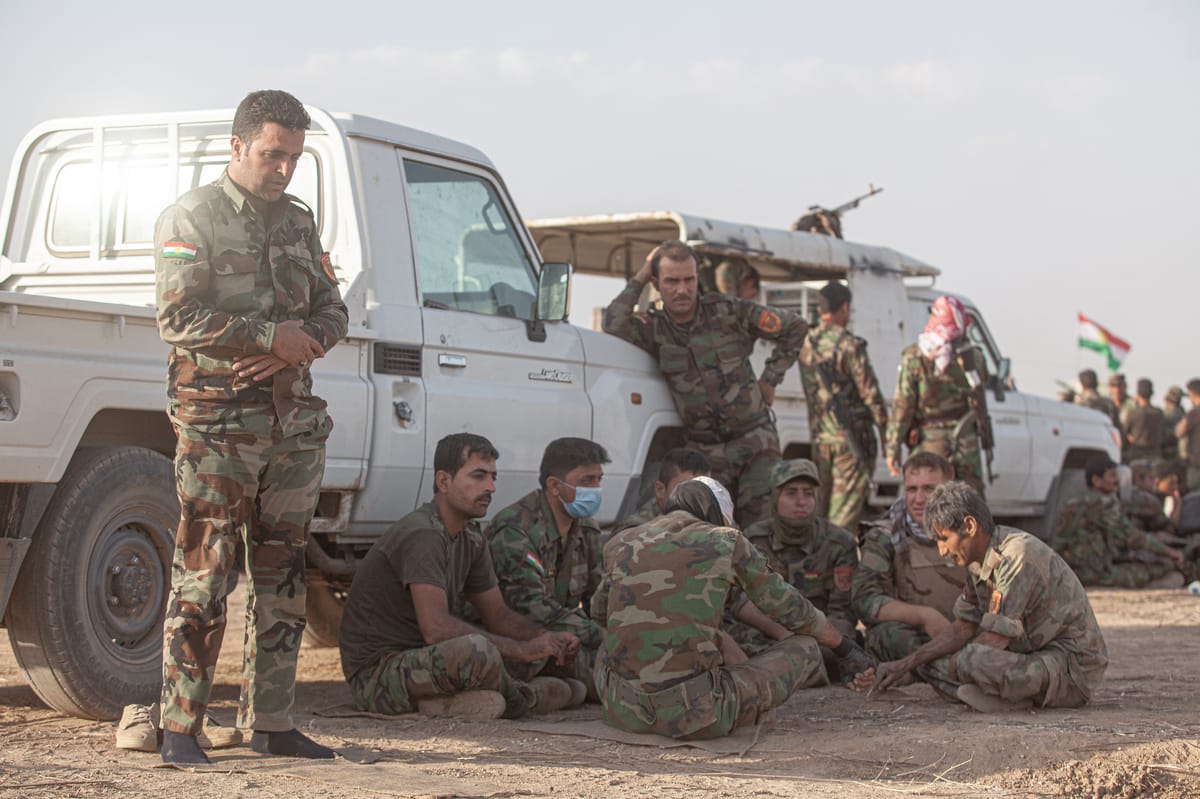
A explosive row has erupted between the White House and Kurdish leadership after President Trump accused the group of stealing weapons intended for Iranian protesters. In an exclusive conversation with N12, a high-ranking Kurdish official labeled Trump’s claims as "harsh," "unfair," and "completely illogical." The official countered that it was actually Trump himself who sabotaged a meticulously planned military operation that would have seen tens of thousands of Kurdish fighters invade Iran from their strongholds in Iraq.
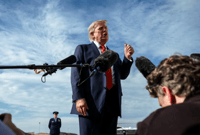
The controversy began when Trump claimed that the Kurds had "disappointed" him by keeping ammunition and weapons that were supposed to be delivered to anti-regime demonstrators inside Iran. "The Kurds take, take, take," Trump remarked, suggesting they only fight when they are being paid. However, the Kurdish official revealed that Trump’s own administration had initially encouraged the plan, only for the President to later issue a personal veto under heavy pressure from Turkish President Recep Tayyip Erdogan.
The secret plan, which was reportedly supported by both the Mossad and the CIA, involved a massive ground invasion combined with heavy aerial support. The goal was to spark a national uprising and march all the way to Tehran. While Israeli intelligence agencies viewed the plan as a "historic opportunity" to destroy the regime, elements within the U.S. government and the Israeli military intelligence were more skeptical, calling the strategy "imaginary" and doomed to failure due to the logistical challenges of the Iranian terrain.
According to the Kurdish official, Turkey played a decisive role in turning Trump against his Kurdish partners. Ankara reportedly feared that a successful Kurdish operation in Iran would empower Kurdish separatist movements within its own borders. Turkish media has even reported that high-level meetings took place to ensure the plan was killed. "He himself foiled the operation," the official stated, referring to Trump, while suggesting that the President is now using the Kurds as a scapegoat for his administration's lack of progress.
Despite the public insults and the "betrayal" of the invasion plan, the official maintained that Kurdish forces in Iran remain the only organized and credible opposition capable of forcing real change. He stated that over 8 million Kurds in Iran are still prepared for a direct war with the regime and will continue their struggle "with or without external support." However, he admitted that a massive crisis of trust now exists, asking, "Do you really think the Kurds will trust someone else’s plan now?"
As the regional war continues to escalate, the collapse of the U.S.-Kurdish partnership represents a significant blow to the Western strategy of internal regime change. With the "Kurdish card" effectively off the table due to the political rift, the White House has lost one of its most potent ground forces in the region. The official’s comments on N12 highlight a growing sense of isolation in Erbil, where leaders are increasingly convinced they must prioritize their own survival over the shifting whims of American presidents.