Seven months after a ceasefire was established, the future of the Gaza Strip remains "closed," according to Nickolay Mladenov, the High Representative of the Peace Council. Following a high-stakes meeting with Prime Minister Benjamin Netanyahu on Wednesday, Mladenov expressed deep frustration with the lack of progress, stating that the current situation is a betrayal of the promises made to both Palestinians and Israelis. While the ceasefire technically holds, the envoy described it as "far from perfect," citing daily violations that continue to put civilian lives at risk on both sides.
Mladenov’s primary message focused on the necessity of a fundamental change in how Gaza is governed. He made it clear that the "National Committee," a planned technocrat government, is ready to enter the territory and begin the rebuilding process, but only if the current political leadership steps aside. He noted that this transition is not a suggestion but a requirement under UN Security Council resolutions. For those currently in power who are willing to follow the law, there may be a place in the new structure, but others are being offered "safe passage" to third countries.
In a significant policy clarification, Mladenov stated that the Peace Council is not asking Hamas to "vanish" as a political movement or a party. He suggested that if the group were to renounce armed struggle, it could theoretically compete in future national Palestinian elections. However, he drew a hard line on the issue of military capabilities. The existence of armed factions, independent command structures, weapon depots, and tunnel networks is "not negotiable" and must end for any political process to move forward.
The envoy emphasized that the disarmament of terrorists is an essential condition for the transition to a legitimate Palestinian Authority government. He explained that a modern state cannot function with private militias operating alongside official security forces. This stance places immense pressure on the terror groups in Gaza to choose between maintaining their military assets or allowing the civilian population to access the massive reconstruction funds that have been earmarked by international donors.
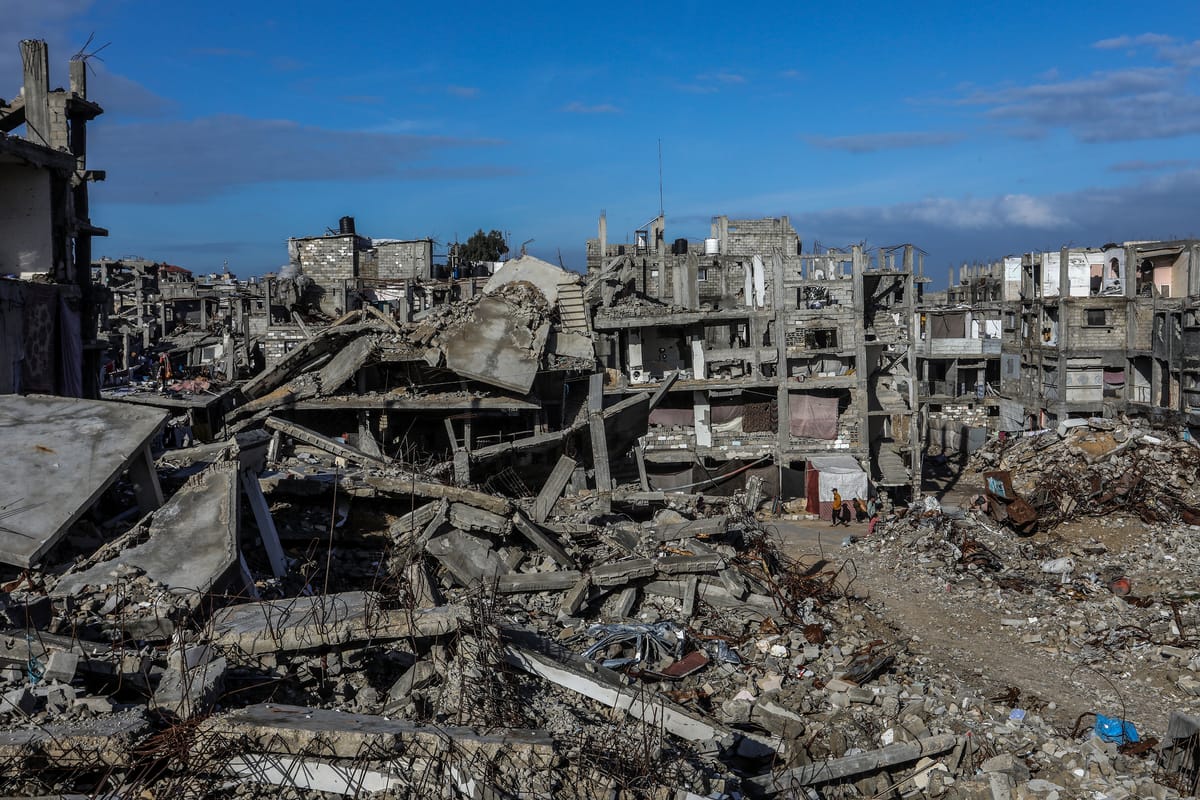
Planning for that reconstruction is already at an advanced stage, with Mladenov reporting that programs have been developed for every major sector of the Gaza economy. The Peace Council projects that tens of thousands of public sector jobs could be created almost immediately once the conditions allow for work to begin. These jobs are intended to provide a "real choice" for the residents of Gaza, offering them a path toward stability that has been absent for decades under the rule of terror organizations.
Despite these ambitious plans, Mladenov warned that "the door is still shut" because the current atmosphere of daily violations and humanitarian restrictions prevents any real progress. He told Netanyahu that the current stalemate does not provide the security that the Israeli people want, nor the future that Palestinians deserve. The envoy’s visit serves as a stark reminder that without a definitive end to the military influence of Hamas and other factions, the billions of dollars ready for Gaza will remain untouched while the population continues to live in fear.