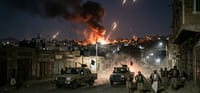
Tehran is digging in its heels as the Middle East reaches a critical crossroads between renewed diplomacy and total war. The Iranian regime has made it clear that there will be no return to the negotiating table without a fundamental shift in American policy, presenting a rigid list of demands that must be met before any dialogue begins. This defiance comes as state-sanctioned media outlets in Iran launch a psychological campaign against the White House, claiming that President Trump is paralyzed by the potential economic and military consequences of a prolonged war.
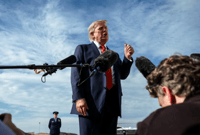
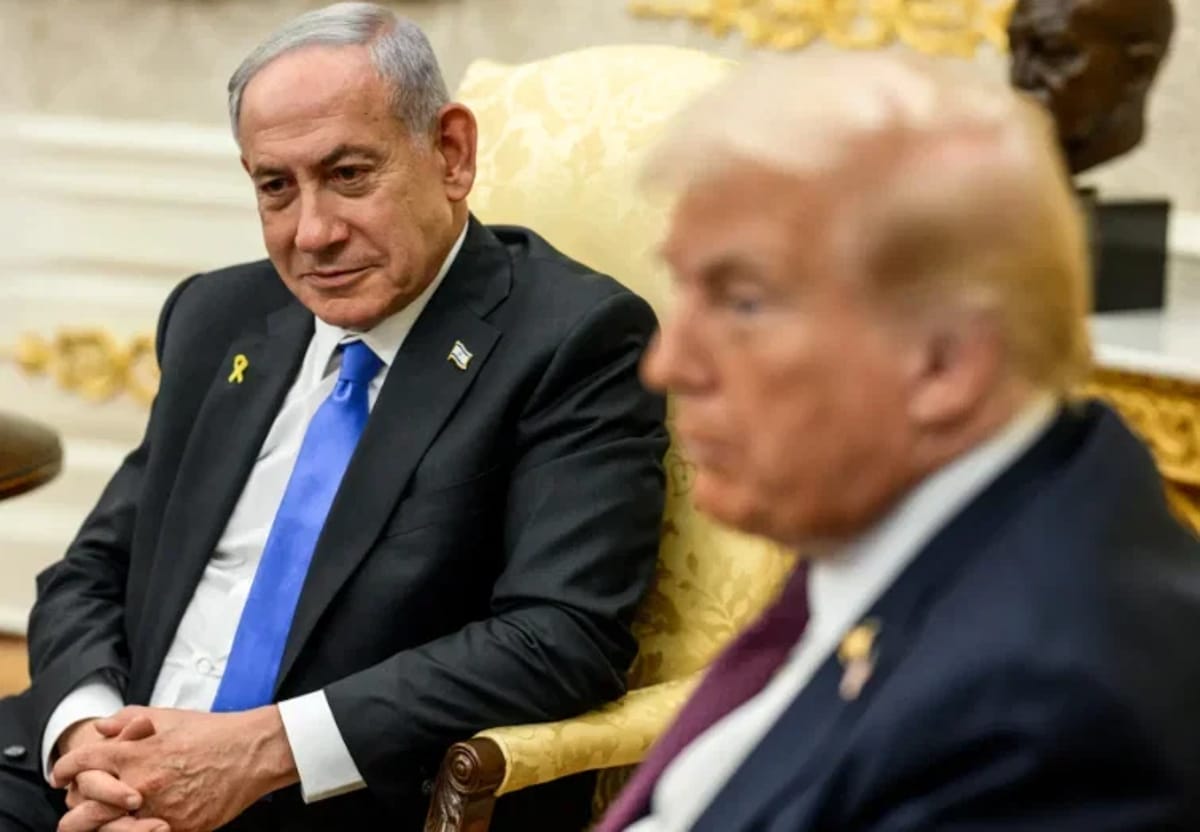
A provocative article published on Wednesday by the Kayhan newspaper, a known mouthpiece for the Iranian leadership, asserted that Donald Trump is deeply afraid of two specific things: losing and the massive financial fallout of a military escalation. The publication suggested that if the costs of the war continue to climb, Trump would not hesitate to abandon his alliance with Israel and "sell out" Prime Minister Netanyahu to protect American interests. The regime is banking on the idea that Trump’s transactional nature will eventually override his commitment to Jerusalem.
To back these threats, an Iranian source told the Fars news agency that five specific conditions have been set as "minimum trust-building guarantees" for any future talks with Washington. These demands include an immediate end to the war on all fronts, especially in Lebanon, the total removal of sanctions, the release of all frozen Iranian assets, and formal compensation for all damages caused by the war. Perhaps most contentiously, the regime is demanding formal recognition of its "sovereignty rights" over the Strait of Hormuz, a move that would fundamentally alter global shipping.
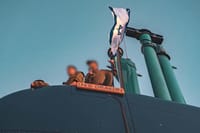
Iranian officials are increasingly pointing to the Strait of Hormuz and regional energy infrastructure as powerful "levers" that have not yet been fully utilized. Ebrahim Rezaei, a spokesperson for the Iranian Parliament’s National Security Committee, stated that the history of the Strait should now be divided into "before and after the war." He emphasized that the regime will never allow the waterway to return to its previous status, claiming that Iranian control over the passage was "bought with the blood of martyrs" and will be formalized through new domestic legislation.
This legislative push aims to establish a full Iranian management mechanism for the Strait, covering security, navigation, and even environmental payments from passing vessels. While Rezaei claimed the goal is not to close the waterway, he noted that in a state of war, "unusual arrangements" could be applied. This rhetoric serves as a direct threat to the global economy, signaling that Tehran is willing to hold the world’s energy supply hostage to achieve its political and financial goals.
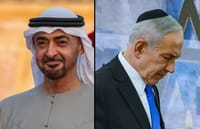
Meanwhile, Iranian state media is also attempting to drive a wedge between Israel and its neighbors. Reports from the IRNA news agency claimed that secret visits by the head of Mossad to the United Arab Emirates are a desperate attempt by Israel to drag the Gulf states into a direct war with Iran. The regime warned that these actions could trigger an uncontrollable cycle of tension, even as Tehran continues to send messages to regional neighbors like Pakistan, insisting that the American naval presence remains the primary obstacle to peace.