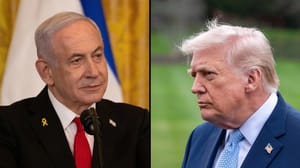
Gaza Peace Impasse
Netanyahu Rejects Gaza Peace Council Plan, Demands Complete Hamas Dismantling Before Israeli Withdrawal
•news-israel•4


Comprehensive coverage of the Gaza Peace Council, including its formation, objectives, and role in Palestinian governance and regional peace efforts
The Gaza Peace Council represents a significant initiative in the complex landscape of Palestinian governance and Middle Eastern peace efforts. As a proposed or established body aimed at addressing governance challenges in the Gaza Strip, the council has emerged as a focal point in discussions about post-conflict reconstruction, civilian administration, and the future political structure of the Palestinian territories. Understanding the Gaza Peace Council requires examining its formation context, stated objectives, and the broader regional dynamics that shape its potential role.
The concept of a Gaza Peace Council has gained attention amid ongoing efforts to establish stable governance structures in Gaza following periods of conflict and political fragmentation. Such councils typically aim to provide civilian oversight, coordinate humanitarian assistance, facilitate reconstruction efforts, and create frameworks for local governance that can operate independently of militant organizations. The formation and operation of any peace council in Gaza involves complex negotiations among Palestinian factions, regional powers, and international stakeholders who seek to balance security concerns with the humanitarian needs of Gaza's civilian population.
The establishment of governance bodies like the Gaza Peace Council reflects broader challenges in Palestinian political unity and the search for sustainable solutions to the Israeli-Palestinian conflict. Gaza has experienced multiple governance transitions and remains subject to various forms of control and influence, making the creation of independent civilian institutions particularly challenging. Any peace council must navigate the competing interests of Hamas, the Palestinian Authority, regional powers such as Egypt and Qatar, and international actors including the United Nations and various donor nations.
The potential functions of a Gaza Peace Council could encompass multiple areas of civilian life and governance. These may include coordinating the distribution of humanitarian aid, overseeing reconstruction projects, managing public services such as healthcare and education, facilitating economic development, and serving as an interface between Gaza's population and external actors. The effectiveness of such a body depends heavily on its legitimacy among Gaza's residents, its ability to operate independently, and the level of support it receives from both Palestinian factions and the international community.
International perspectives on Gaza governance initiatives vary significantly based on geopolitical interests and security concerns. Western nations and Israel typically emphasize the need for any governing body to be demilitarized and free from terrorist affiliations, while also ensuring humanitarian access and civilian welfare. Regional Arab states have their own strategic interests in Gaza's future, with some seeking to expand their influence through support for particular governance models. The United Nations and humanitarian organizations focus primarily on ensuring that any governance structure can effectively deliver services and protect civilian rights.
The challenges facing any Gaza Peace Council are substantial and multifaceted. These include securing adequate funding for operations and reconstruction, gaining acceptance from all Palestinian factions, maintaining independence from militant groups, addressing Gaza's severe economic constraints, managing relationships with Israel regarding border access and security, and building institutional capacity in an environment that has experienced repeated conflicts and political instability. The success of such initiatives often depends on sustained international engagement and the willingness of all parties to prioritize civilian welfare over political and military objectives.
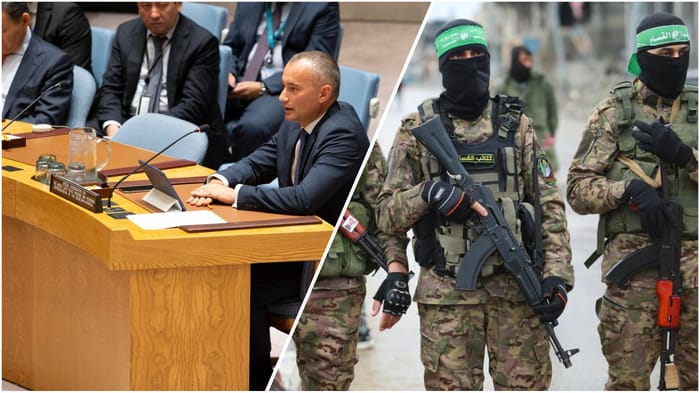
Nikolay Mladenov tells UN General Assembly that all weapons in Gaza will be dismantled under new framework, with Hamas agreeing to transfer authority to internationally recognized transitional administration
Gaza Peace Impasse
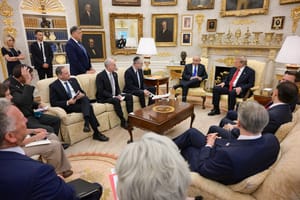
TENSIONS WITH WASHINGTON
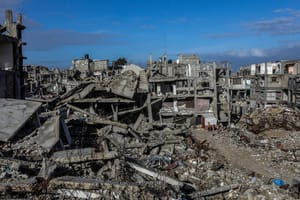
Back to War?
US-Israel Tensions