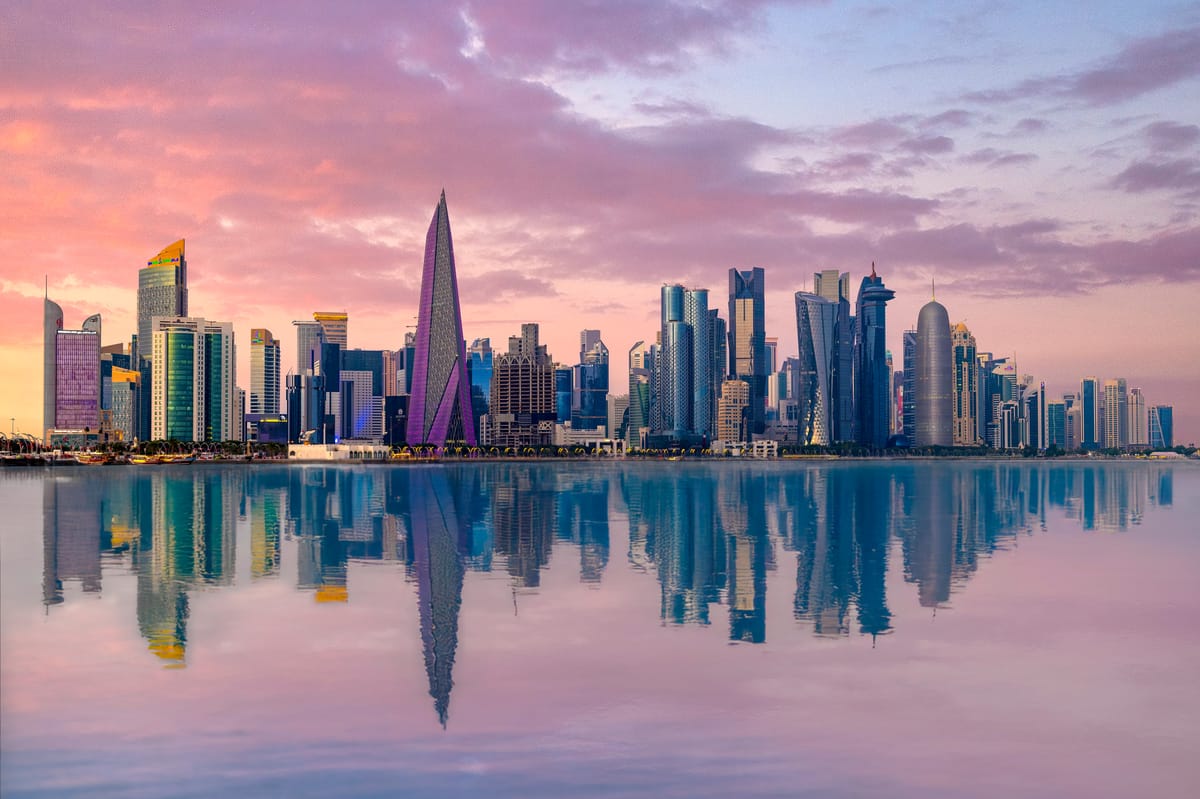
Qatar has transformed into the central axis for efforts to halt the escalating war with Iran, operating with significant American backing. While Pakistan remains the official mediator, recent reports indicate that the U.S. administration increasingly views Doha as the more efficient and reliable channel for sensitive communication. This represents a dramatic shift for Qatar, which previously chose to remain in the shadows without taking public credit for its extensive mediation efforts.
Doha’s new positioning is a strategic move to leverage its unique diplomatic assets. Throughout the crisis, Qatar has maintained open lines of communication with both Washington and Tehran, a feat that has turned the small Gulf nation into an indispensable diplomatic asset. This stands in contrast to the United Arab Emirates, which has suffered significantly more damage and direct threats from Iranian aggression during the recent rounds of fire.
Expert analysis suggests that Qatar's previous avoidance of the spotlight was a calculated attempt to avoid being labeled pro-Iranian by its neighbors. Dr. Ariel Admoni, a specialist on Qatari affairs, explains that Doha likely used its "quiet" role to manage a complex relationship with the regime in Tehran. Reports even suggest that Qatar may have facilitated financial transfers to Iran, described by some as a form of "bribe" to ensure its territory and energy assets were spared from direct attack.
The evidence of this special relationship is visible in the tactical reality of the war. Qatar has been targeted significantly less by Iranian missiles and drones compared to other Gulf states. By not taking public credit for mediation in the early stages, Qatar was able to present itself in a more aggressive stance toward Iran when necessary, while privately securing its own safety through deep-level backchannels.
A recent high-level meeting in Miami underscored the depth of this involvement. Qatari Prime Minister and Foreign Minister Mohammed bin Abdulrahman Al Thani met with American envoy Steve Witkoff and Secretary of State Marco Rubio. Following the meeting, Doha dropped its vague language and explicitly called for all parties to respond to ongoing mediation efforts. This public declaration signals that Qatar is no longer hiding its status as a regional powerbroker.
Furthermore, Al Thani has been in direct contact with Pakistani Prime Minister Shehbaz Sharif to coordinate their respective roles. In a joint statement, the two leaders renewed their commitment to a constructive dialogue that could lead to a lasting peace. For Qatar, this public embrace of the mediator role serves to justify its frequent and intense contacts with both the Trump administration and the leadership in Tehran, cementing its place as the key to regional stability.