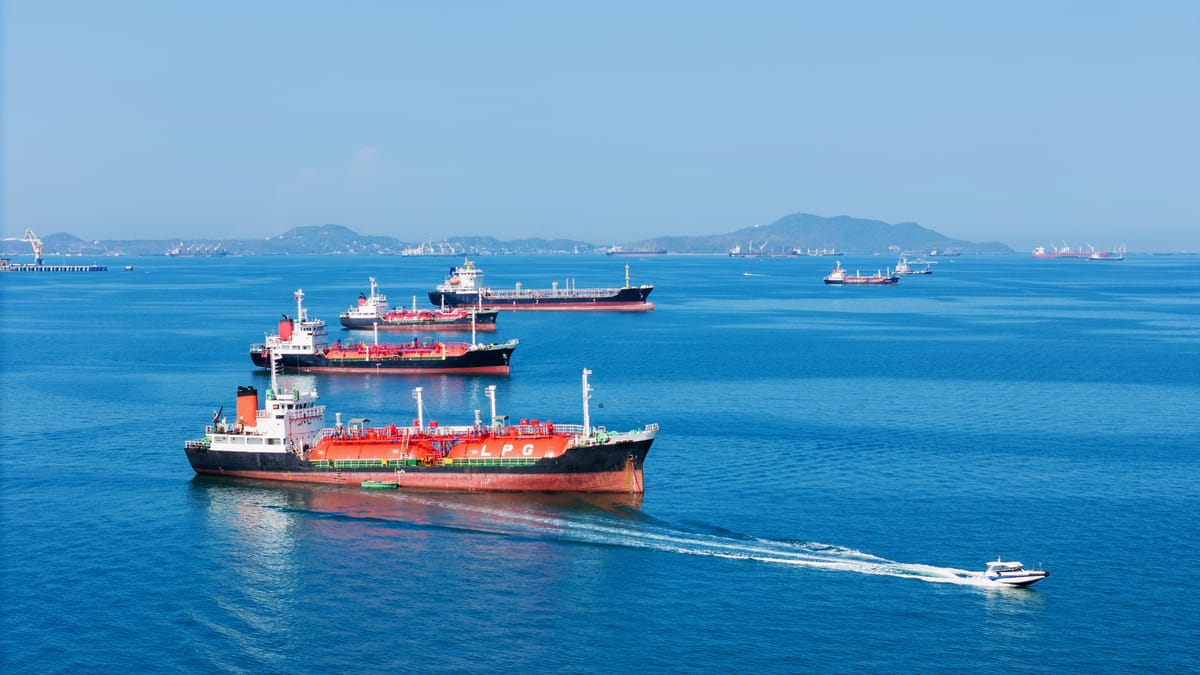
President Donald Trump is considering the immediate resumption of "Project Freedom," a massive military operation aimed at breaking the Iranian naval blockade of the Strait of Hormuz. Following a brief but intense diplomatic freeze, American and Saudi officials confirmed that regional hurdles have been cleared, allowing U.S. forces to once again utilize critical infrastructure in the Gulf. This development comes as the global economy continues to reel from the obstruction of a waterway that carries twenty percent of the world's daily oil supply.
The initiative was nearly derailed earlier this week when Saudi Arabia and Kuwait imposed sudden restrictions on the use of their military bases and sovereign airspace. This move had effectively grounded the vast aerial fleet required to protect commercial tankers from Iranian missiles and drones. The friction led to a significant diplomatic crisis, forcing a series of high-level phone calls between President Trump and Saudi Crown Prince Mohammed bin Salman to prevent a total collapse of the regional security alliance.
According to sources familiar with the discussions, the Gulf nations were concerned that American officials were downplaying the severity of Iranian retaliatory strikes. There were deep-seated fears in Riyadh and Kuwait City that the U.S. might not provide adequate protection if the war escalated further. President Trump reportedly worked to reassure the Crown Prince that the U.S. remains committed to the defense of its partners while pursuing the strategic opening of the vital shipping lanes.
With the restrictions now lifted, the Pentagon has presented a timeline that could see the mission restart as early as this week. The renewed operation will involve a "mine-cleared" narrow corridor through which commercial vessels can be funneled under the protection of U.S. guided-missile destroyers and combat aircraft. This systematic approach is designed to restore the confidence of shipping companies that have largely avoided the area since the war intensified.
Despite the momentum, some senior American officials have pushed back against reports of an immediate restart, suggesting that the situation remains fluid. However, the logistical reality on the ground indicates that the U.S. is positioning its assets for a decisive move. The ability to operate out of Saudi and Kuwaiti territory once again gives the U.S. military the geographic advantage needed to suppress Iranian coastal batteries and escort neutral trade vessels.
The success of "Project Freedom" is seen as a pillar of Trump's broader "Mighty Fury" campaign against the Iranian regime. By demonstrating that the blockade can be broken by force, the administration hopes to drain Tehran's economic leverage and force a final decision on the proposed 14-point peace deal. As the week draws to a close, the world’s energy markets are watching the Gulf closely for the first signs of a renewed American naval push.