In the corridors of power in Jerusalem, a deep-seated anxiety is growing over the potential for a historic peace deal between the United States and Iran. While diplomats in Washington and Islamabad express optimism, Israeli officials and academics warn that the Iranian regime is playing a much longer game, viewing time not as a constraint but as a central component of their survival strategy.
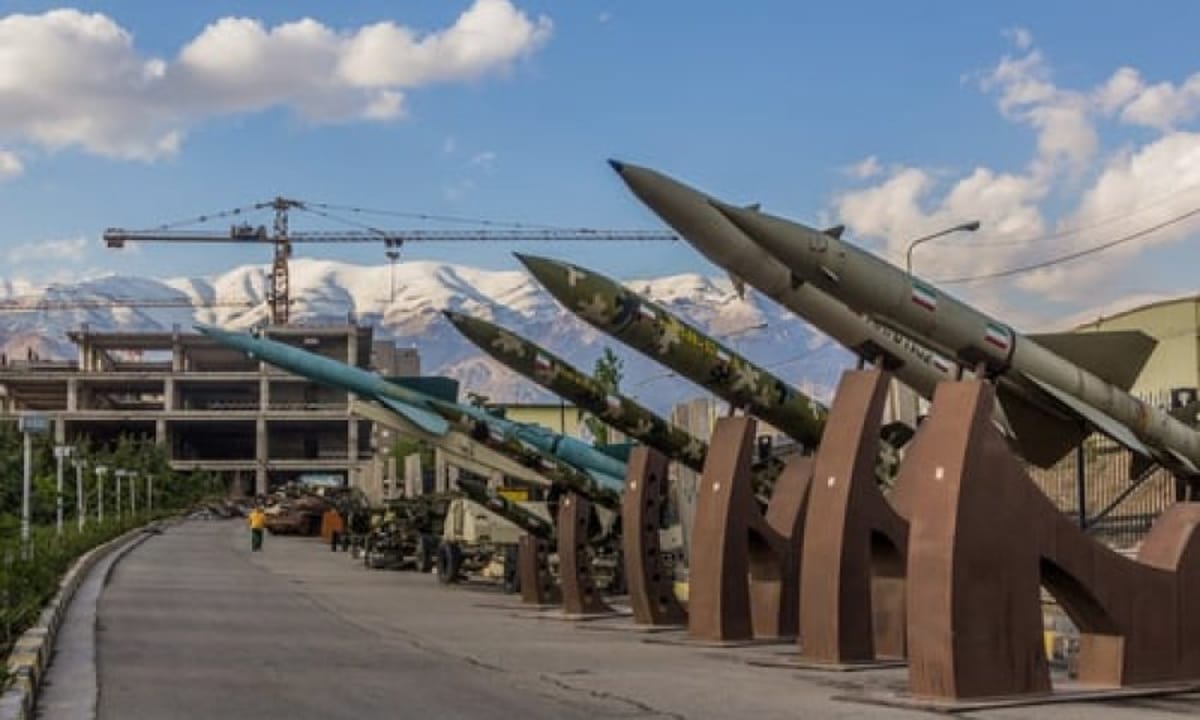
Professor Uzi Rabi suggests that for Tehran, any restrictive agreement is merely a tactical breathing space within a cycle that extends far beyond the tenure of a single American president. The real danger for Israel is not just what Iran does on the day of the signing, but what remains in its possession the day after, including enrichment knowledge, missile arrays, and regional proxy networks.
There is a fundamental clash between the different "clocks" operating in the region: the American clock, which ticks according to election cycles and market results, and the Iranian clock, which moves with the slow patience of a regime ready to absorb pressure as long as its core infrastructure is preserved. Tehran understands that President Trump is a unique figure in American politics, one willing to maintain maximum pressure over an extended period.
Consequently, the Iranian strategy appears focused on surviving the current crisis and reaching the "day after Trump," when they hope Washington will return to a policy of risk management and diplomacy. If the enrichment sites and scientific knowledge remain intact, Iran believes its future remains open, a perspective that keeps Israeli defense planners awake at night as they witness the hollowing out of regional deterrence.
The saga of the Strait of Hormuz further highlights the gap between Jerusalem and Washington; while the U.S. sees a threat to global trade, Israel sees the waterway as part of a broader deterrent system that currently centers on Lebanon. Hezbollah serves as Iran's strategic security belt, providing the Ayatollah with the ability to threaten the Israeli heartland directly without ever firing a shot from Iranian soil.
Israeli officials find it impossible to believe that a regime that has spent decades building a network of regional threats will truly dismantle the assets that guarantee its power. The recent use of drones and precision fire by Hezbollah is a stark reminder that even during a nuclear freeze, the Iranian threat simply changes shape. For Israel, the question remains whether this deal is a genuine dismantling of power or a dangerous pause before the next window of opportunity.