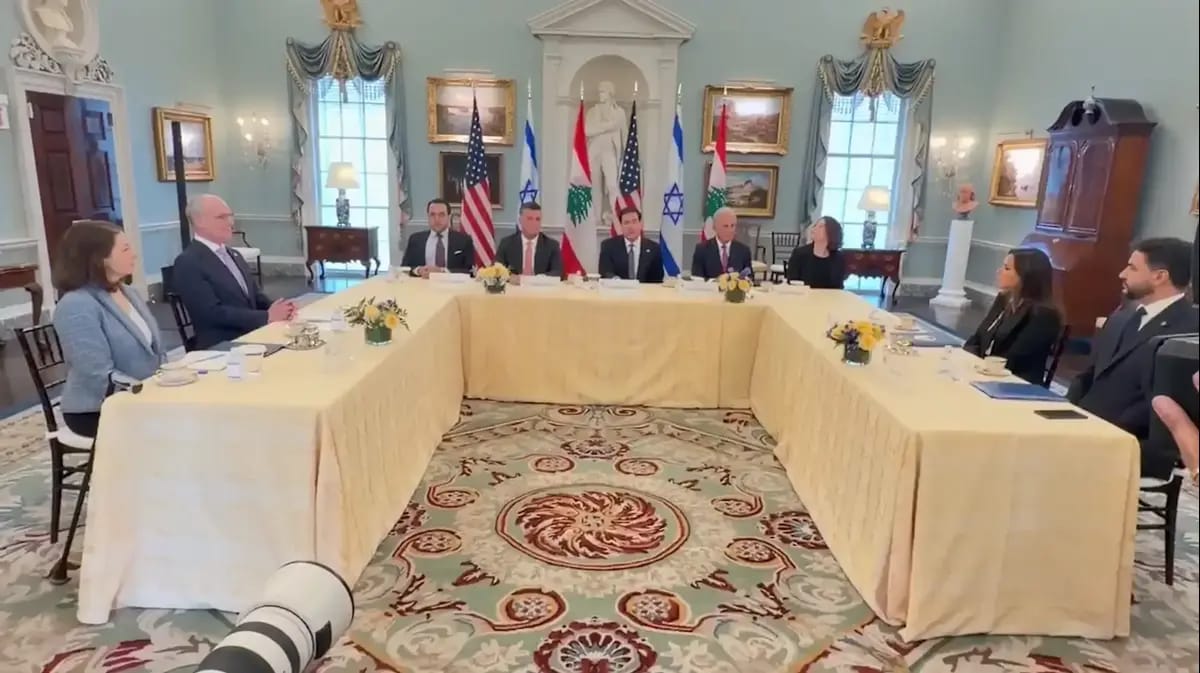
The diplomatic landscape in the Middle East is witnessing a significant shift as the United States prepares to host a third round of indirect negotiations between Israel and Lebanon. According to reports from the Lebanese channel LBCI, a high-level Lebanese delegation, including former Ambassador Simon Karam and current Ambassador to the U.S. Nada Hamada Mouawad, is expected in Washington as early as next Tuesday. The talks, which are being brokered under the auspices of the Trump administration, mark a rare and intensive effort to stabilize the northern border through a formal security arrangement.
Preparations for this round have been ongoing, with Ambassador Mouawad recently meeting with the team of U.S. Secretary of State Marco Rubio to finalize the agenda. During these preliminary contacts, Lebanon reportedly submitted a dossier documenting what it labels as "Israeli violations" while reiterating its demand for a sustainable ceasefire. These discussions build upon the momentum of a historic meeting held last month, which was the first of its kind in over four decades and focused heavily on the future status of the terror organization Hezbollah.
Israel’s Ambassador to the United States, Yehiel Leiter, previously described the progress as excellent, stating that both nations essentially find themselves on the same side of the equation regarding the need to liberate Lebanon from the burden of Hezbollah. The U.S. State Department has reinforced this aggressive stance toward the Iranian-backed group, with senior officials declaring that Iran has dragged the Lebanese people into a war they did not choose and that Hezbollah has no place in the country's future stability.
The upcoming summit is expected to hone in on specific security mechanisms for southern Lebanon, particularly the coordination between international forces and the Lebanese Armed Forces. The goal is to build a gradual path that eventually leads to a broader diplomatic settlement, though the immediate focus remains on preventing a return to active combat. Meanwhile, American officials are reportedly applying pressure on Israel to exercise restraint in its military operations to keep the diplomatic window open for the duration of the talks.
Lebanese President Joseph Aoun has signaled his commitment to the process, stating just days ago that there is no turning back from the path of negotiation. He described the American involvement and the personal attention of President Donald Trump as a great opportunity that Lebanon must seize to secure its sovereignty. However, Aoun clarified that it is still too early to discuss a formal meeting with Prime Minister Benjamin Netanyahu, emphasizing the need for a security agreement and a cessation of Israeli strikes before public normalization can be considered.
Secretary of State Marco Rubio reiterated on Tuesday that the core issue remains the presence of the terror group. "The problem between Israel and Lebanon is not Israel or Lebanon, it is Hezbollah," he stated, adding that a peace deal is achievable almost immediately if the group is removed from the equation. Rubio accused Hezbollah of using Lebanese territory as a launchpad for rockets while causing "enormous damage" to its own citizens, vowing that Washington will do everything possible to keep both parties on a track that leads to a permanent and stable ceasefire.