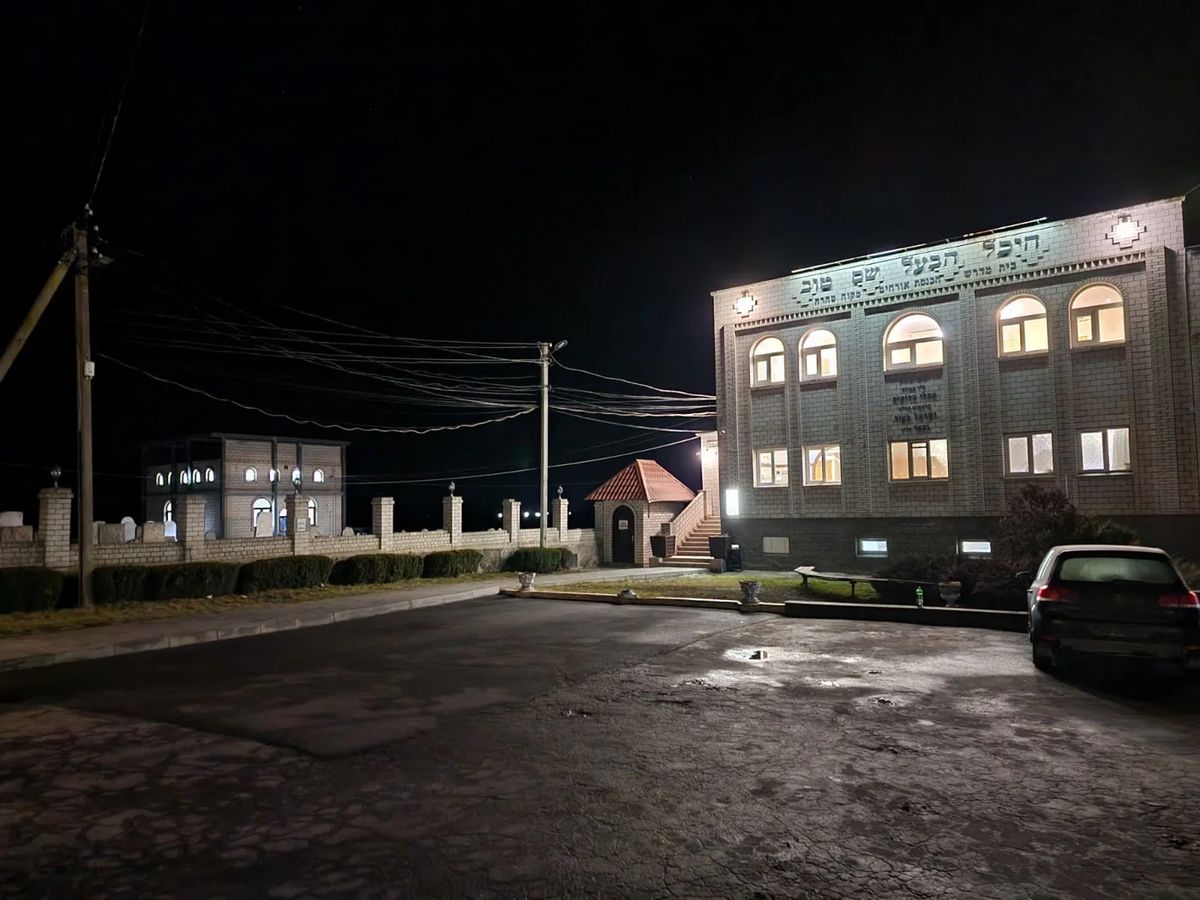
Two Rebbes Refused the Maggid's Request—Here's Why
Rabbi Shemuel and Rabbi Ber decline the Maggid of Mezeritch's invitation to remain for Rosh Hashanah • Both later visit Rabbi Pinchas of Koretz who makes a prophetic promise | A Chassidic tale for Motzaei Shabbat (Haredim)
A remarkable Chassidic narrative has emerged for Motzaei Shabbat, revealing the profound dedication of early Chassidic masters to the mitzvah of pidyon shvuyim (redeeming captives) and the mysterious ways of Divine providence.
The account centers on Rabbi Shmuel HaKatzin and Rabbi Ber ben Bunim, two distinguished disciples who embarked on a sacred mission before Rosh Hashanah to collect funds for redeeming Jewish prisoners. These captives were tenant farmers who had been imprisoned by Polish landowners after failing to meet their lease payments, a common tragedy in that era.
The Maggid's Invitation—And Their Refusal
Before continuing their journey, the two rabbis stopped to visit the Maggid of Mezeritch, one of the most revered figures in early Chassidus and successor to the Baal Shem Tov. The Maggid extended a warm invitation for them to remain with him for the approaching High Holy Days.
Yet both Rabbi Shemuel and Rabbi Ber firmly declined. Their reasoning was unequivocal: they needed to continue their mission to free imprisoned Jews before Rosh Hashanah arrived. No spiritual elevation, not even spending the holiest days with the Maggid himself, could supersede this urgent obligation.
The two scholars then proceeded to the court of Rabbi Pinchas of Koretz, another towering Chassidic master. Once again, they received an invitation to remain for Rosh Hashanah and once again, they respectfully refused, citing the same sacred duty.
A Prophetic Promise
Rabbi Pinchas of Koretz, however, had a different instruction for Rabbi Ber. He directed him to remain for the High Holy Days specifically so that he could bless him with children. Meanwhile, Rabbi Shemuel was to return home and continue the redemption efforts.
When Rabbi Shemuel heard this arrangement, he voiced his own need: "I too require a blessing for children."
Rabbi Pinchas responded with a mysterious promise: "You will come to me on Shemini Atzeret," he stated, referring to the festival that follows Sukkot.
The Blessing Fulfilled
Rabbi Ber remained with Rabbi Pinchas for Rosh Hashanah. Shortly before the holiday, he fell ill and was unable to attend synagogue services. In an extraordinary gesture, Rabbi Pinchas came to his lodgings to conduct the Torah reading. He personally dressed Rabbi Ber and brought him to the Torah scroll for an aliyah. Following the conclusion of the reading, Rabbi Ber's strength returned.
That same year, a daughter was born to Rabbi Ber. In a profound fulfillment of Divine providence, this daughter would later become the wife of Rabbi Pinchas of Koretz himself, uniting the two families.
Rabbi Shemuel, true to the instruction he received, traveled to Rabbi Pinchas on Shemini Atzeret. He too was blessed, and that year a daughter was born to him as well.
The Baal Shem Tov's Teaching on Divine Abundance
The narrative concludes with a profound teaching attributed to the Baal Shem Tov, founder of the Chassidic movement, which provides theological context for the story.
"L'Hashem ha'aretz u'melo'ah, tevel v'yoshvei vah"—"The earth and its fullness belong to God, the world and those who dwell in it," the Baal Shem Tov emphasized. All material and spiritual abundance in the world belongs to the Creator, whose purpose is to bestow goodness upon His children and provide each person with the sustenance they require.
According to this teaching, when a person is blessed with abundance, whether financial resources, talents, abilities, or accumulated wisdom and life experience, they serve merely as a conduit. Their role is to channel that abundance to benefit the broader community, in accordance with Divine will.
"A soul descends to this world and lives seventy or eighty years in order to do a favor for another Jew, both materially and especially spiritually," the Baal Shem Tov taught.
The teaching emphasizes that to receive abundance, one must prepare a proper "vessel"—primarily through Torah study and prayer. As the Baal Shem Tov noted, citing the account of Creation: the vegetation of the field did not grow until man prayed, for prayer brings forth abundance, and increased prayer brings increased abundance.
The Creator's greatest pleasure, the teaching concludes, is to be "chafetz chesed"—one who desires kindness and multiplies goodness to His creations. Therefore, God awaits human prayer that begins with gratitude for existing abundance, expressed with joy and a grateful heart, followed by heartfelt requests arising from genuine inner desire, all while anticipating and awaiting Divine salvation.
Shavua tov to all of Israel—may it be a week of healing, sustenance, abundant blessings and salvations, amen.
Ready for more?
Join our newsletter to receive updates on new articles and exclusive content.
We respect your privacy and will never share your information.