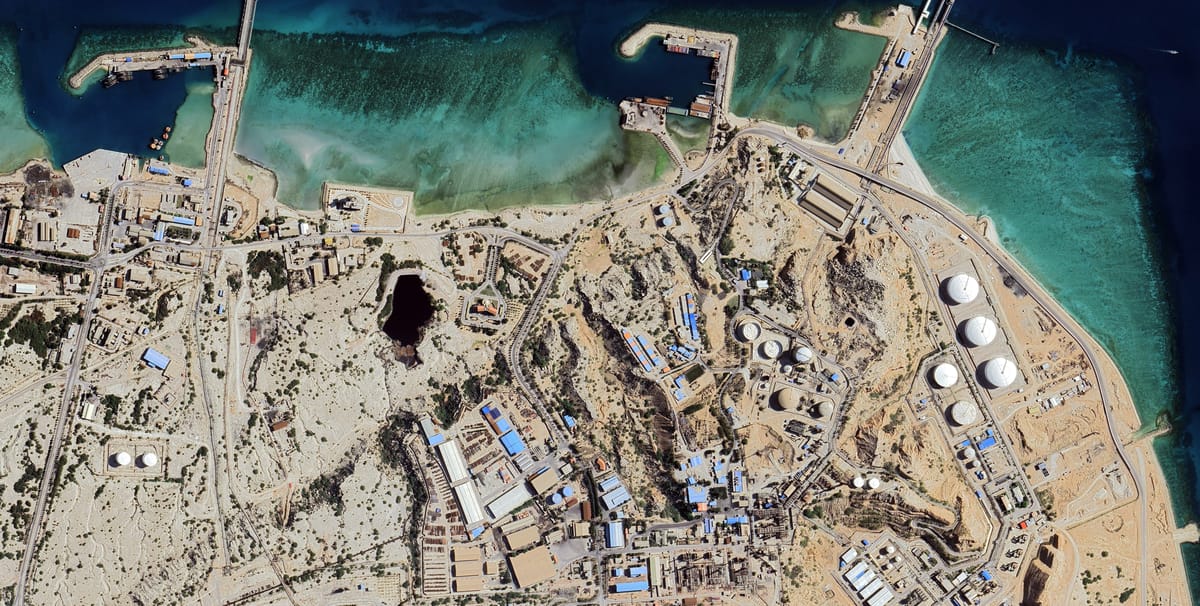
A tiny coral island hidden deep within the Persian Gulf has emerged as the absolute focal point of regional security, serving as the primary economic engine for the Iranian regime. Located just 25 kilometers from the main coastline and 660 kilometers from the highly critical Strait of Hormuz, Kharg Island spans an area of just 24 square kilometers. Despite its miniature geographic footprint, this strategic location single-handedly dictates the financial survival and foreign trade capabilities of the state.
The critical importance of the island stems from its unique underwater topography, which features deep waters capable of hosting the largest oil tankers in existence. Because the main continental coastline of the country is plagued by shallow waters that prevent large cargo vessels from docking, Kharg Island was engineered to handle massive operations. The sprawling facility features massive storage tank farms, dedicated power generation stations, and highly advanced deep-water loading terminals.
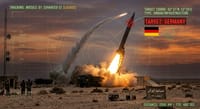
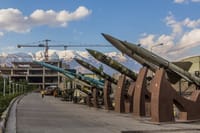
Recent intelligence reviews indicate that roughly 90 percent of the regime's total crude oil exports pass directly through this isolated maritime hub. Due to this extreme vulnerability, the state has declared the entire island a closed military zone, wrapping the facility in an incredibly dense layer of modern anti-aircraft defenses. The security network features advanced S300 surface to air missile batteries and a permanent garrison of elite naval commandos from the Islamic Revolutionary Guard Corps.
The island also possesses a long history of maritime trade and warfare, functioning as a vital religious and commercial intersection since the ancient Sasanian era. European empires attempted to seize control of the territory during the 18th century, constructing a massive fortress to dominate regional shipping lanes. The infrastructure was heavily targeted by the Iraqi Air Force during the Tanker War between 1980 and 1988, absorbing hundreds of airstrikes aimed at completely paralyzing the state economy.
Despite sustaining devastating structural damage during that historical war, the government invested billions of dollars to rapidly reconstruct the terminals. This massive financial commitment proved that leadership recognizes the island as an irreplaceable asset, understanding that without the facility, the national economy would completely collapse. In a global environment defined by geopolitical instability, this heavily fortified coral outcrop remains a permanent flashpoint that the regime vows to defend at any cost.