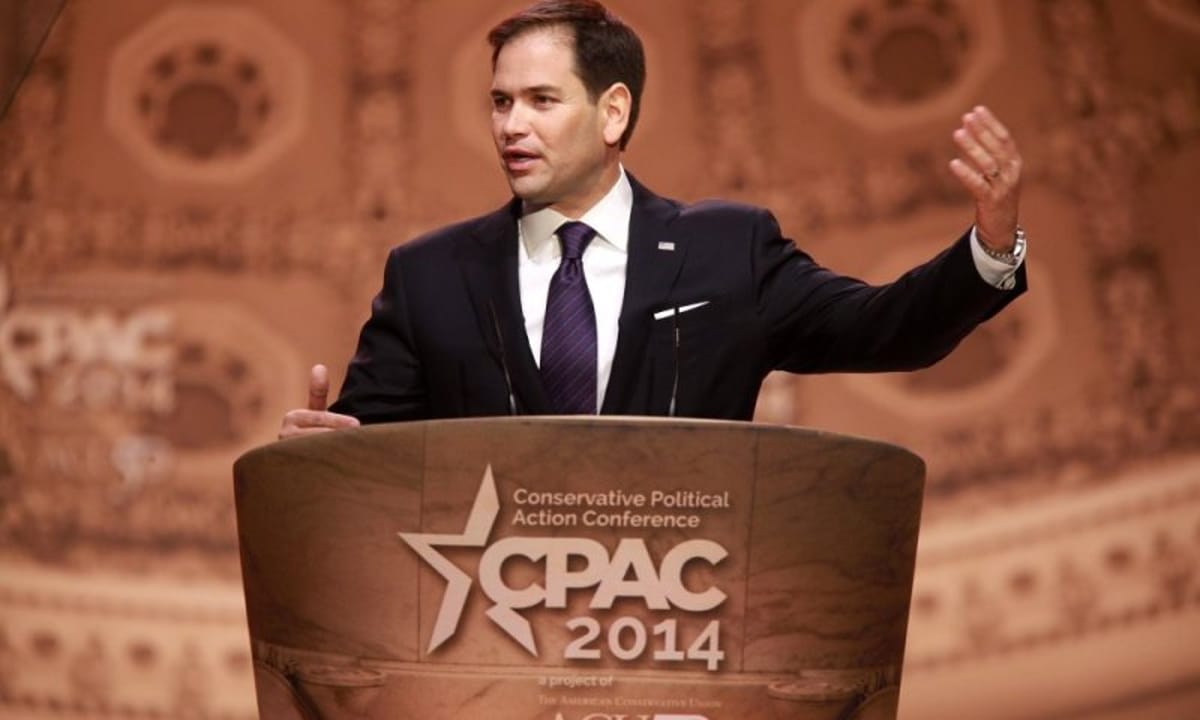
The United States State Department has disclosed a massive potential breakthrough in its ongoing diplomatic engagement with Tehran, indicating that a comprehensive bilateral agreement could be finalized in the immediate future. Speaking before a highly anticipated Senate committee hearing, the Secretary of State revealed that foreign negotiators have abruptly shifted their long standing geopolitical stance, agreeing for the very first time to enter specific discussions regarding highly restricted elements of their nuclear program that they previously refused to even introduce to the negotiating table. This rapid diplomatic acceleration arrives amid intense international anxiety over the security of global trade routes and the rapid enrichment of weapons grade materials.
The administration clarified that while the diplomatic path forward is actively widening, Washington is maintaining a set of non negotiable prerequisites before any formal document can be signed. The very first condition laid down by American representatives requires the foreign leadership to issue an explicit, public declaration confirming the immediate reopening of the Strait of Hormuz. The vital maritime corridor was recently threatened with total closure, creating severe instability throughout international energy markets and forcing Western powers to demand a verified return to the total freedom of navigation as a baseline necessity.
Beyond the immediate maritime stipulations, the United States is enforcing a strict focus on the physical infrastructure of the foreign nuclear project. Government ministers are demanding that the upcoming round of face to face talks include a concrete, highly detailed framework explicitly regulating the removal or neutralization of highly enriched uranium stockpiles currently stored within foreign facilities. Negotiators emphasize that securing verifiable commitments on these enriched reserves is the only method to prevent a catastrophic escalation and ensure long term regional stability.
Despite the severity of these baseline conditions, diplomatic monitors report that a final signature could be secured as early as today, tomorrow, or within the upcoming week due to an unprecedented shift in the internal command structure of the Islamic Republic. Senior intelligence briefings presented during the congressional assembly indicate that the supreme leadership of the regime, specifically Mojtaba Khamenei, has drastically increased his personal involvement and direct oversight of the backchannel negotiation teams. This centralized intervention is being viewed by Western analysts as a clear signal that the foreign government is facing intense pressure and is highly motivated to achieve an immediate diplomatic resolution.
The active integration of the supreme leadership into the administrative process marks a stark departure from the policy maintained just one month or even one year ago, when the foreign state adamantly refused to permit any external scrutiny of its sensitive enrichment initiatives. While defense experts urge extreme caution when dealing with an adversarial state, the willingness to discuss specific technical parameters represents a notable shift in the ongoing war of attrition. The coming days will determine whether these preliminary concessions can be translated into a permanent, enforceable security framework.