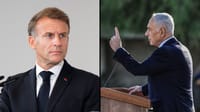
The Iranian regime has drastically shifted its diplomatic and military posture, with Foreign Minister Abbas Araghchi issuing a severe international warning regarding the absolute indivisibility of regional truce agreements. Commenting directly on the intense escalation of the war in Lebanon, Araghchi asserted via global communication networks that the existing ceasefire framework between Iran and the United States applies without any ambiguity to every single active front. The top diplomat emphasized that a violation of the truce on a single frontier will be treated as a total violation across all theaters.
The aggressive rhetoric from the foreign ministry was immediately backed by concrete administrative actions inside the paramilitary apparatus. The Tasnim News Agency, a prominent media outlet tightly aligned with the Islamic Revolutionary Guard Corps, reported that the nation's core negotiating team has officially suspended the exchange of all diplomatic drafts and messages with the United States. Regime officials emphasized that no further indirect communications will be entertained through international intermediaries until all Israeli operations are brought to a complete halt.
Simultaneously, the Revolutionary Guards announced they are actively preparing to expand the geographic scope of their asymmetric operations to inflict severe economic damage on Western allies. Defense intelligence reports indicate that paramilitary forces are positioning assets to execute disruptive operations across both the strategic Strait of Hormuz and the vital Bab al-Mandeb strait in the Red Sea. The twin maritime chokepoints represent the most critical arteries for global energy transport and international commercial shipping.
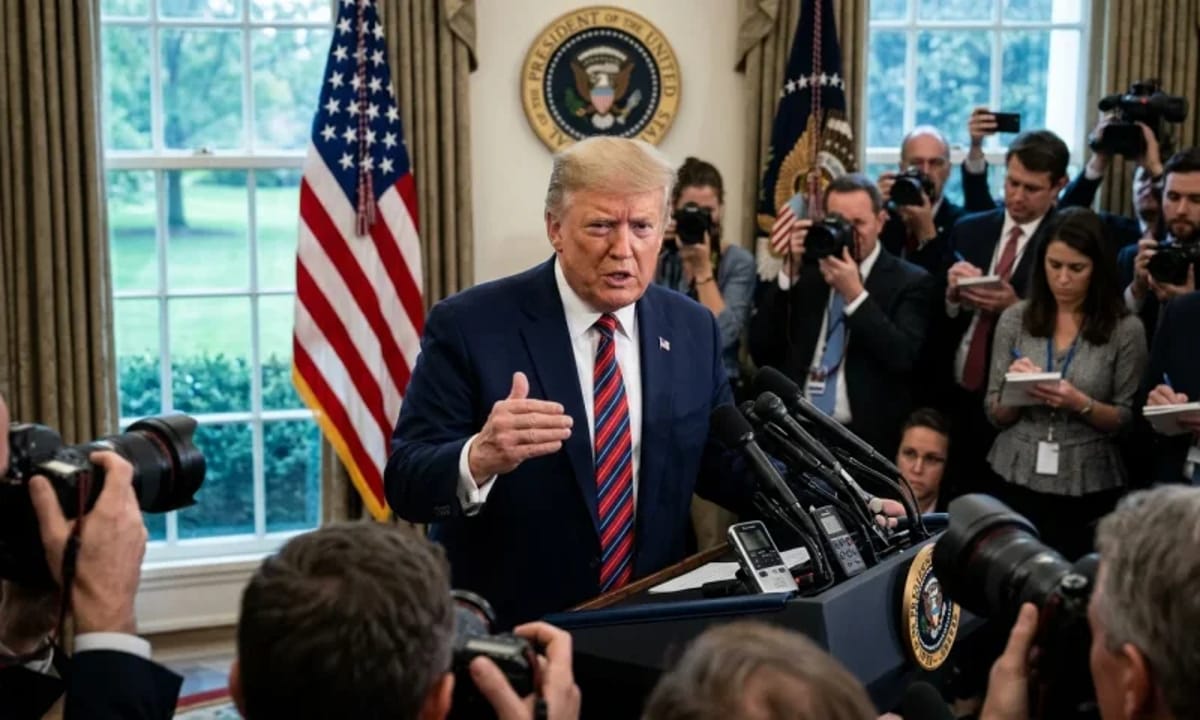
The severe threats to global economic infrastructure triggered an immediate reaction from the White House, with President Donald Trump addressing the growing crisis during a press briefing. When questioned directly about the formal suspension of the draft exchanges, Trump maintained a characteristically defiant posture, asserting that he remains entirely unconcerned if the talks with the Iranian regime are brought to a permanent end. The president dismissed any immediate anxieties regarding the long term stability of the energy markets.
Trump clarified that he is not worried about fluctuating oil prices, which experienced a sudden upward spike following Tehran's explicit vows to block vital shipping corridors. The administration's relaxed approach underscores a deep confidence in domestic energy production and an absolute refusal to let foreign threats dictate American policy. However, strategic defense planners warn that the total breakdown of the indirect communication track increases the likelihood of miscalculation along the major shipping lanes.
As the formal negotiation lines remain frozen, the regional security environment has entered a highly volatile phase. With Tehran attempting to force a comprehensive operational pause by threatening global commerce, the burden of maintaining stability has shifted back to international naval coalitions. The coming hours will prove critical as military monitors watch the vital straits for any signs of direct kinetic interference from paramilitary units.