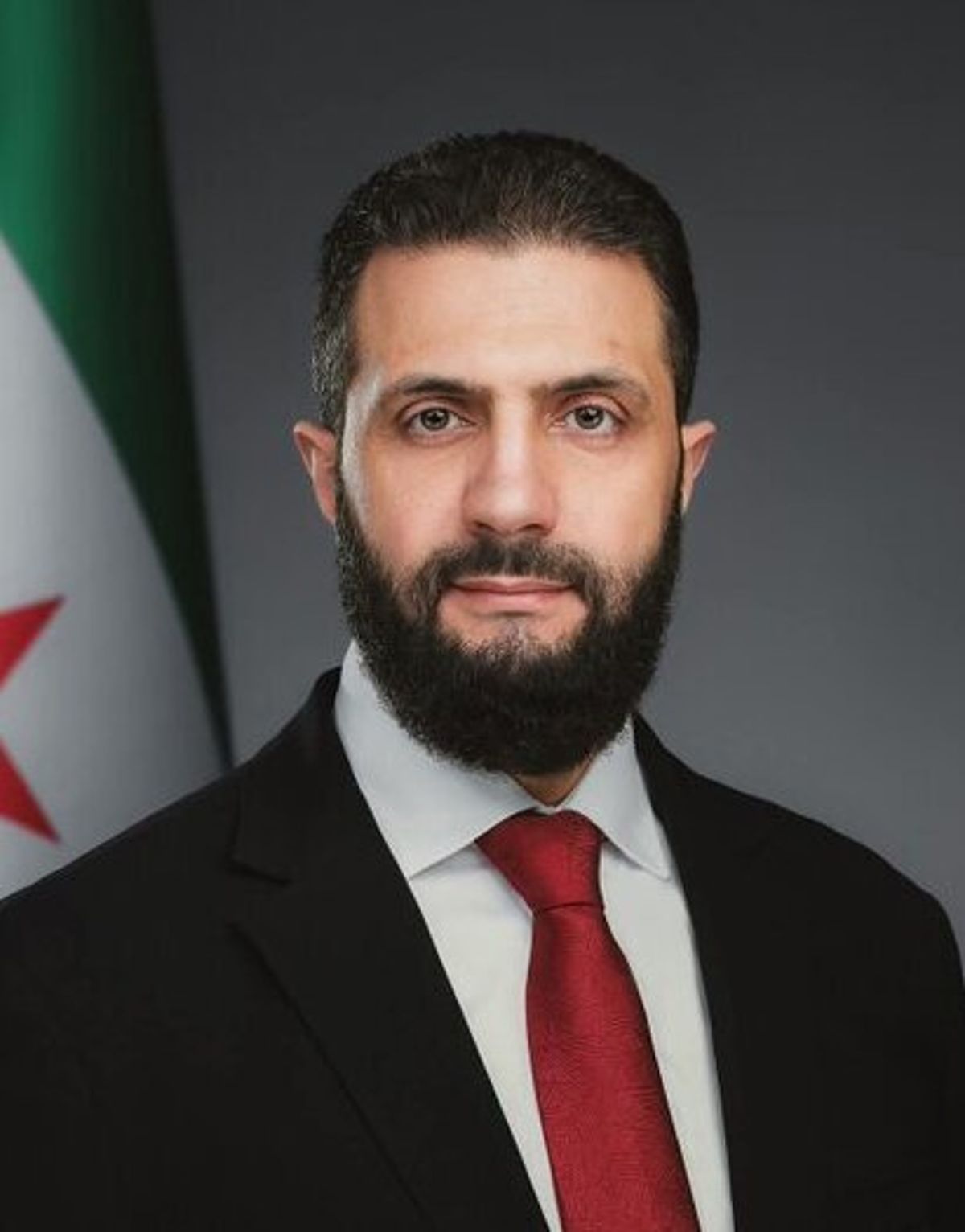
In a significant move to reshape Syria’s geopolitical landscape, Syrian President Ahmed al-Shara, the former leader of the rebel faction Hayat Tahrir al-Sham, met with Russian President Vladimir Putin in Moscow and sought a renewal of Russia’s security presence near the Golan Heights. The primary aim of the request is the re-deployment of Russian military police forces along the frontier with Israel, a buffer zone known as the "Bravo" disengagement line.
Sources familiar with the meeting indicated that Damascus explicitly asked Moscow to resume military police patrols to "prevent Israel′s interference in Syrian affairs." This request comes as the new Syrian government attempts to stabilize the country's south and confronts repeated military strikes and incursions attributed to Israeli forces. Israel has consistently stated that its actions in southern Syria are aimed at preventing the entrenchment of Iranian-linked forces and Hezbollah near the border, viewing their presence as a direct national security threat.
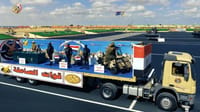
Russia has previously maintained a military police presence in the area, establishing several observation posts along the Bravo Line following the defeat of anti-government rebels in southwest Syria in 2018. This deployment was intended to support the United Nations Disengagement Observer Force (UNDOF) peacekeepers and mitigate tensions between the two sides. The previous Russian presence was instrumental in helping the Syrian government regain control over key areas near the border.
The proposal from President al-Shara underscores Russia's enduring, albeit fluctuating, role as a key security actor and mediator in the Middle East. While Moscow's influence was initially solidified during its intervention that supported the former regime, the current request signals that the new Syrian leadership also views Russia as a vital counterbalance against regional powers.
Russian officials, including those from the Foreign Ministry, have previously criticized Israel's actions on the Golan Heights, stating that they "violate the terms of the 1974 Syrian-Israeli agreement on the separation of forces" and raise "serious concern." The current request for re-deployment is likely seen by Russia as an opportunity to restore and enhance its leverage in the region and increase pressure on Israel to scale back its military operations in Syrian territory.
The strategic importance of the Golan Heights frontier remains a flashpoint, and the potential re-establishment of Russian patrols is expected to draw close scrutiny from both Jerusalem and Washington, as it could fundamentally alter the delicate security balance along the border.