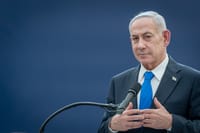
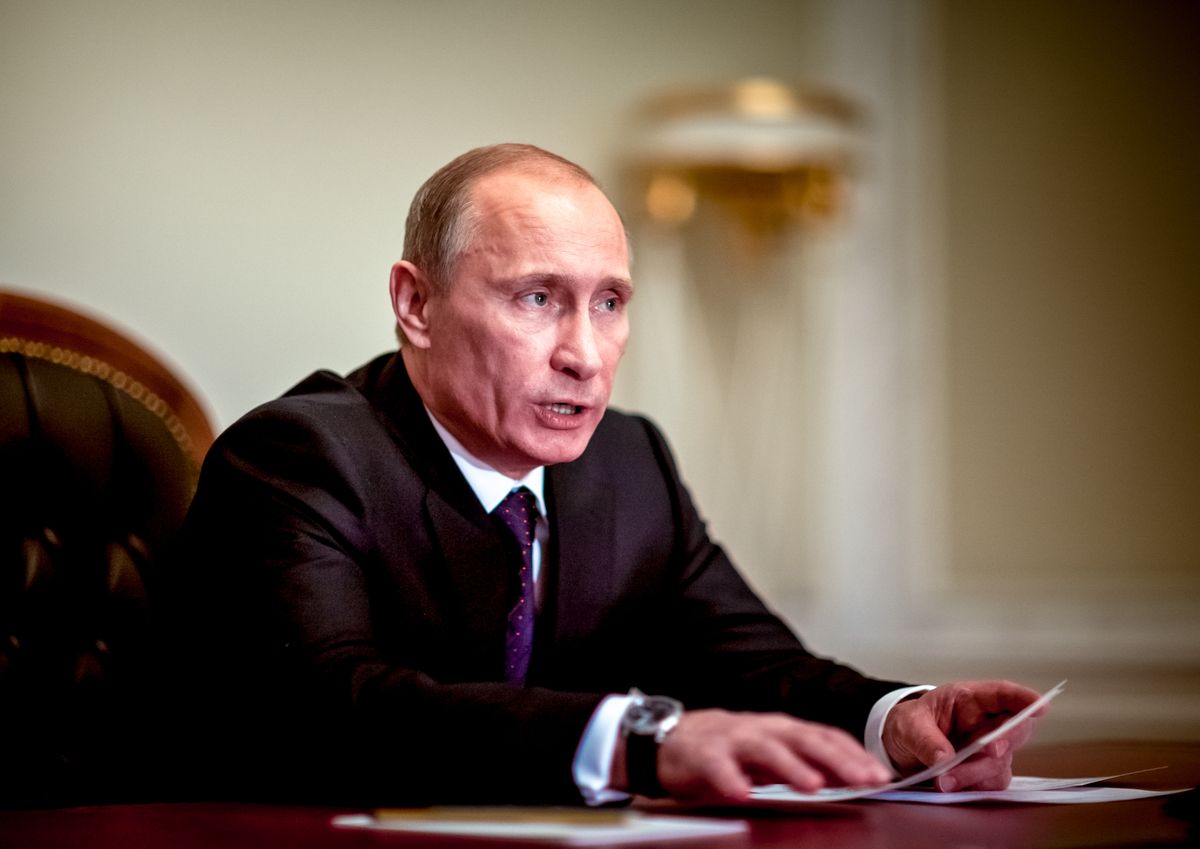
Russian President Vladimir Putin publicly revealed today that Israel has requested his assistance in communicating a crucial message to Iran, emphasizing a desire for de-escalation. Speaking during a visit to Tajikistan, the Russian leader stated that he has been receiving communications from the Israeli leadership.
"We maintain contact with Israel and receive messages from the Israeli leadership asking us to convey to our Iranian friends that it is seeking resolution and agreement in relations and is not interested in confrontation of any kind," Putin said, according to the Russian news agency TASS.
This disclosure suggests that despite frequent tensions, Israel is actively seeking avenues, through a major international power, to curb a potential military escalation with Tehran. The move highlights Russia's unique position, maintaining ties with both Iran and Israel, allowing it to act as a back channel for diplomatic or security messaging between two deeply adversarial powers.
The Russian President's statement follows a telephone conversation held on Monday between Prime Minister Benjamin Netanyahu and Putin. The Kremlin confirmed at the time that the two leaders discussed the situation in the Middle East, including the American President Trump's plan for ending the war and securing the release of hostages. The phone call also focused on the mutual desire to find a resolution to the Iranian nuclear program and to stabilize the situation in Syria.
Putin's remarks about being asked to convey a message of non-confrontation to Iran indicate that the Israeli leadership is leveraging its diplomatic channel with Russia for sensitive communications. While Israel and Russia often find themselves on opposing sides of geopolitical issues in the region, particularly regarding Moscow's strong alignment with Iran and the regime in Syria, the exchange underscores a recognition by Israel of Russia's influential role.
By seeking Moscow’s intervention, Jerusalem is essentially utilizing a third-party guarantor that holds significant sway with Tehran. This strategy is likely aimed at ensuring that recent regional events or military posturing do not spiral into a broader, unwanted military exchange. It confirms that behind the scenes, Israel is pursuing stability and avoiding a direct escalation with its long-time arch-nemesis, even as public rhetoric remains firm. The message conveyed, that Israel seeks "resolution and agreement" and “is not interested in confrontation of any kind”, is a clear diplomatic signal of restraint through a powerful intermediary.