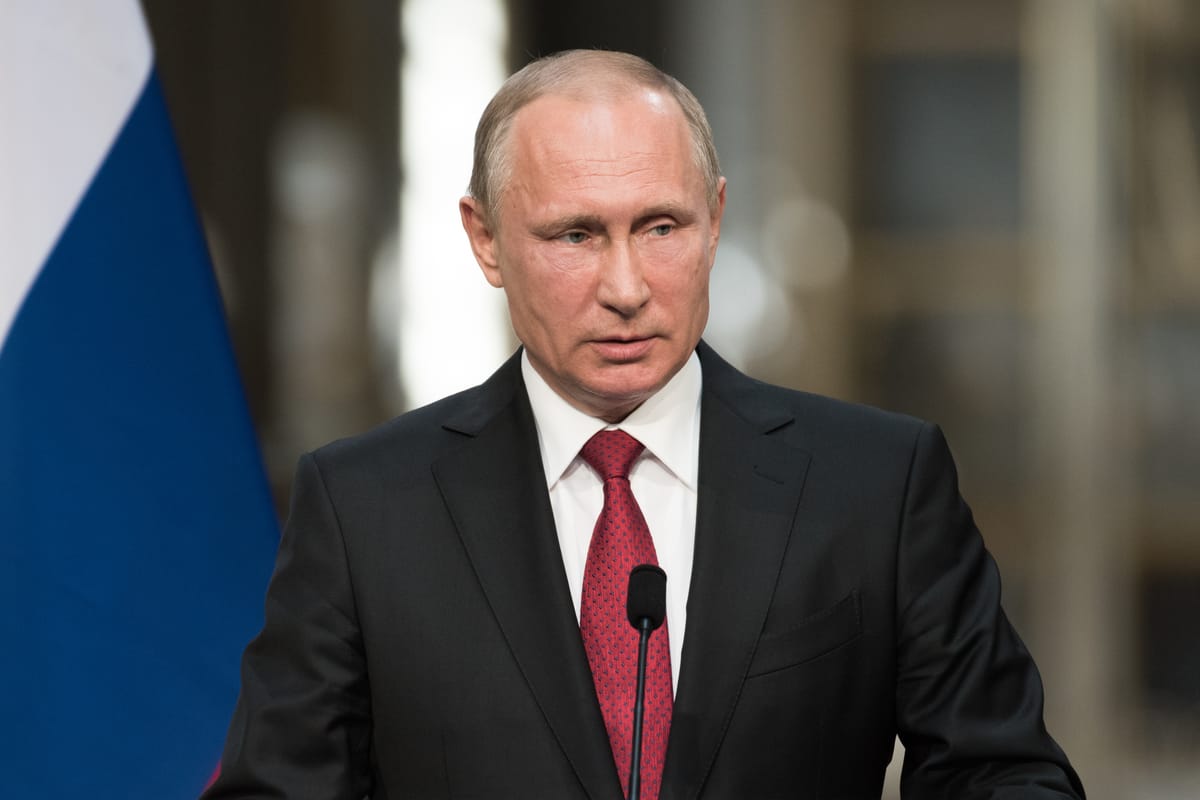
In a dramatic public reversal, Russian President Vladimir Putin acknowledged that missiles launched by his nation's air defenses brought down an Azerbaijan Airlines plane last year, leading to a catastrophic crash in Kazakhstan that killed 38 people. The admission, made during a summit of former Soviet nations in Dushanbe, Tajikistan, alongside Azerbaijani President Ilham Aliyev, marked the first time Moscow has formally accepted blame for the incident, which it previously described as a "tragic accident."
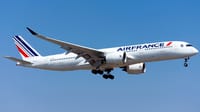
The incident occurred on December 25, 2024, as Azerbaijan Airlines Flight J2-8243, an Embraer 190 carrying 67 people, was en route from Baku to Grozny, the capital of Russia's Chechnya republic. Putin stated that the aircraft was struck when Russian forces fired missiles in response to a Ukrainian drone. The missiles, targeting the unmanned aerial vehicle, detonated approximately 10 meters (33 feet) from the passenger jet. This proximity caused fragments from the blasts to severely damage the airliner.
The preliminary investigation by Azerbaijani and Kazakh officials had already determined the plane suffered external interference, finding fragments of foreign metal, later identified as parts of a Russian surface-to-air missile, inside the wreckage. The damage, which included numerous holes in the fuselage, particularly the rear section, caused the complete failure of the aircraft's hydraulic systems, making it uncontrollable.
Following the impact near Grozny, which the pilots initially misidentified as a bird strike due to the intense explosion recorded on the cockpit voice recorder, the crew attempted to divert. They were ultimately denied landing clearance at Grozny, reportedly due to "fog" and the surrounding air defense activity, and redirected to Aktau, Kazakhstan. The severely compromised plane subsequently crashed near Aktau International Airport, killing both pilots and one flight attendant among the 38 fatalities. Twenty-nine people survived the disaster.
President Putin described the downing as a result of the Ukrainian drone's presence combined with a "technical malfunction" in the air defense system. He pledged that Russia would fulfill its obligations, stating, "Of course, everything that is required in such tragic cases will be done by the Russian side, including compensation and a full legal assessment." He stressed the necessity of a transparent investigation: "It is our duty to give an objective evaluation and identify the true causes." Putin also vowed to hold those responsible accountable.
The long-awaited admission follows months of strained relations between Moscow and Baku, with President Aliyev reportedly criticizing Russia's initial attempts to "hush up" the true circumstances of the crash and demanding a full reckoning. The controversy over the loss of Flight J2-8243, which carried citizens from Azerbaijan, Russia, Kazakhstan, and Kyrgyzstan, has deeply affected the alliance between the two former Soviet nations. The joint appearance and Putin's formal apology signal an effort to mend ties damaged by the tragedy and the subsequent lack of immediate Russian candor.