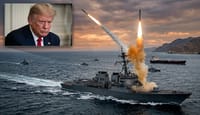
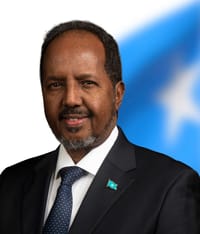
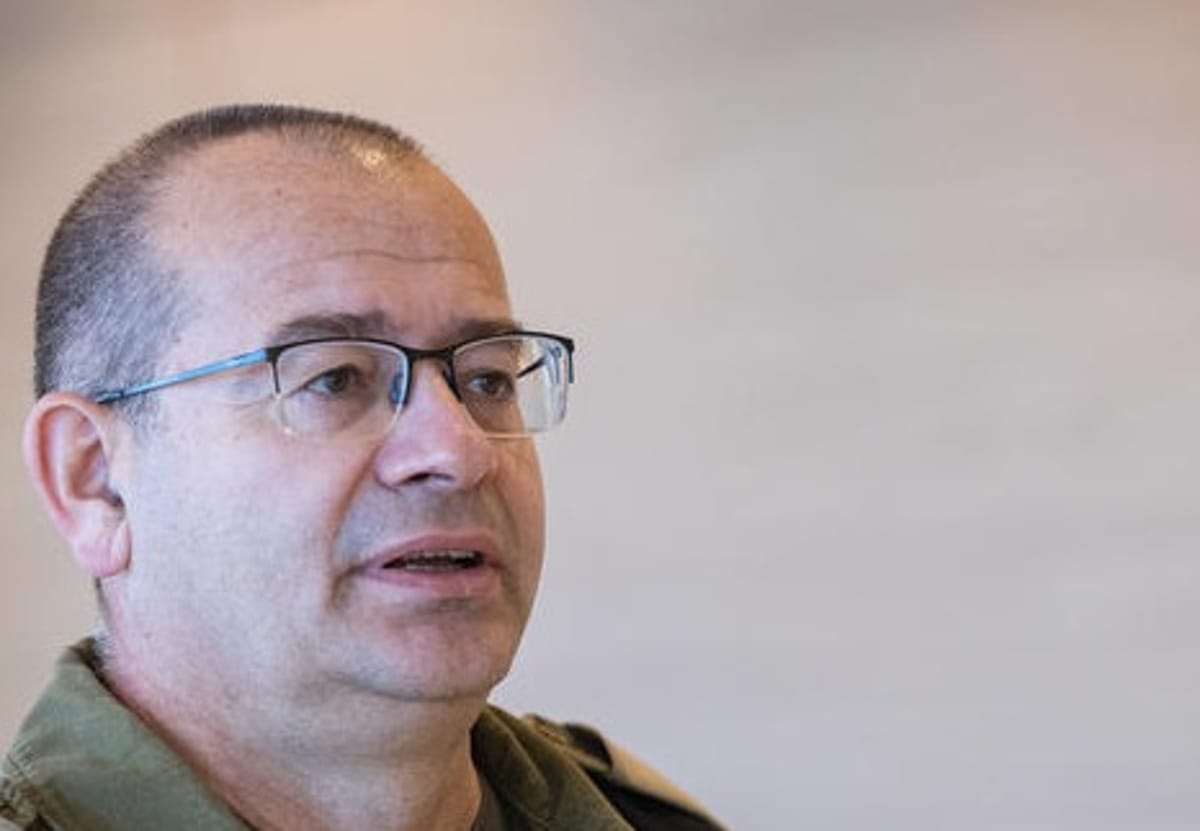
Mossad director Roman Gofman held an unusual phone conversation last week with Syria's new foreign minister, Asaad al-Shaibani, according to a Reuters report citing three sources familiar with the matter. The call, which took place last Thursday, focused on Turkey's military presence inside Syrian territory. The diplomatic contact came against the backdrop of dramatic geopolitical shifts in Syria following the fall of Bashar al-Assad's regime, and just days before Israel conducted extensive airstrikes against a Syrian military base in the country's north. The conversation represents one of the highest-level contacts recorded between Jerusalem and Damascus's new administration.
Israel-Syria Contact
Mossad Chief's Rare Call to Syrian Minister
Roman Gofman spoke with Syria's new foreign minister about Turkish military presence days before Israel struck Abu al-Duhur airbase
Turkey's growing presence on Syrian soil has emerged as a shared concern for Israel. According to the reports, Gofman expressed Israeli worries during the call about Turkish forces establishing themselves near the border, particularly given Ankara's increased military activity in the region. Israel took the unusual step of publicly claiming responsibility for strikes on the Abu al-Duhur base in northwestern Syria, asserting that Damascus had violated the security status quo by allowing Turkish forces to deploy at the airbase near Aleppo. A statement from the Prime Minister's Office said that "Israel warned Syria repeatedly that such a deployment would constitute a threat to its security."
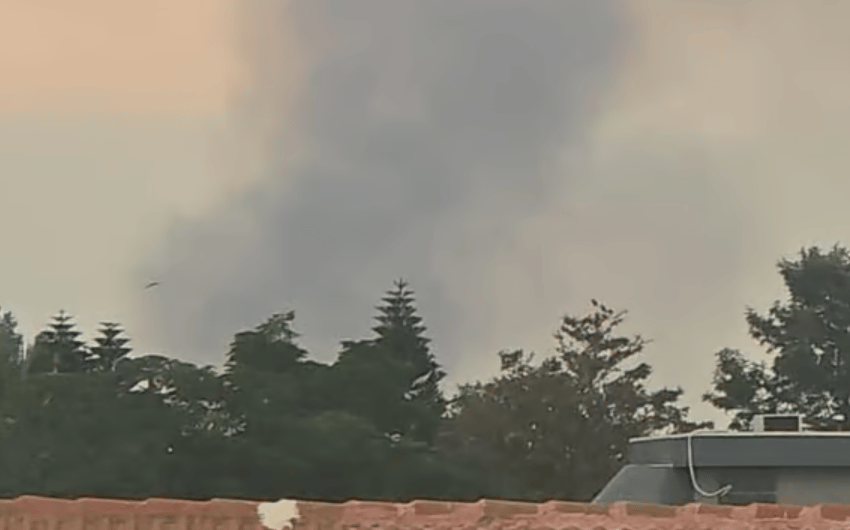
Tom Barrack, the U.S. special envoy for Syria, revealed additional details about the Israeli strike. Barrack told Reuters that Turkey received no advance warning of the attacks, and after Turkish forces detected aircraft moving north toward their territory, they "could reasonably have prepared their own response." According to him, "Fortunately, cool heads prevailed in preventing the situation from deteriorating further." Turkey's response was swift. Turkish media adopted an aggressive tone toward Israel following the official acknowledgment of the strike. Major newspapers in Ankara and Istanbul reflected the escalation's intensity, with the daily Turkiye running the headline "Serious Provocation by Israel," while Takvim attacked sharply, claiming "The Zionists' problem is Turkey." A statement from Turkish President Recep Tayyip Erdogan's office said that "the baseless claims raised by the Israeli Prime Minister's Office are intended to legitimize Israel's illegal airstrikes, which violate Syria's sovereignty and territorial integrity." Erdogan himself told Al Jazeera: "We talk about peace, but if there is aggression – we will not shy away from war and we will not flee from it."
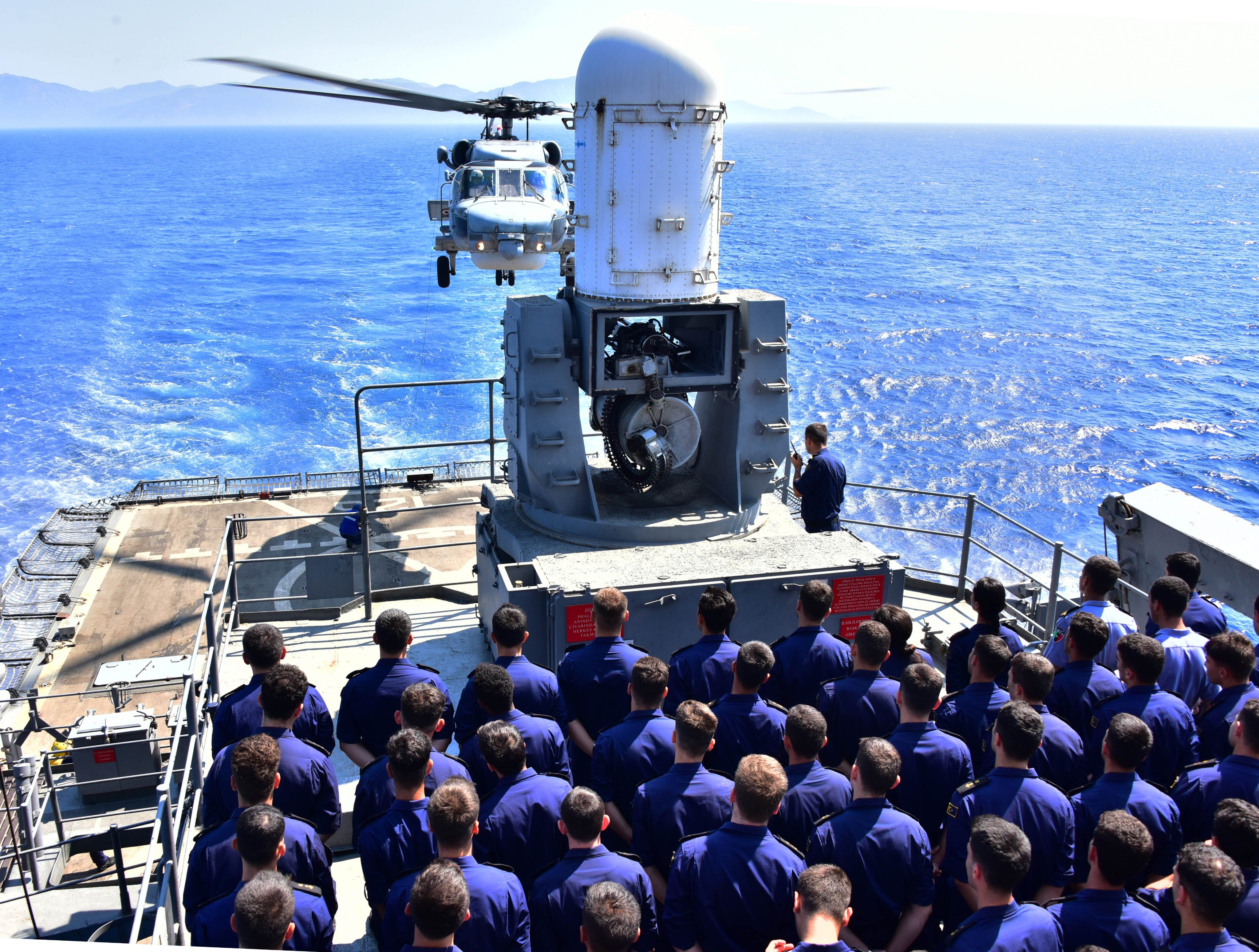
The American envoy noted that the incident illustrates the need for a mechanism to prevent friction between Israel, Turkey, and Syria. According to him, Washington is already assisting with information sharing and dialogue between the parties, but a "stronger mechanism" is needed to prevent misunderstandings and reduce the risk of military escalation in the region. The Prime Minister's Office, which oversees the Mossad, declined to comment on the report about the call between Gofman and the Syrian foreign minister. No official response was received from the Syrian foreign minister's spokesperson either. The unusual diplomatic move comes amid rising tensions in the region, with Turkey's growing presence on the ground serving as a complex point of concern for all parties involved.