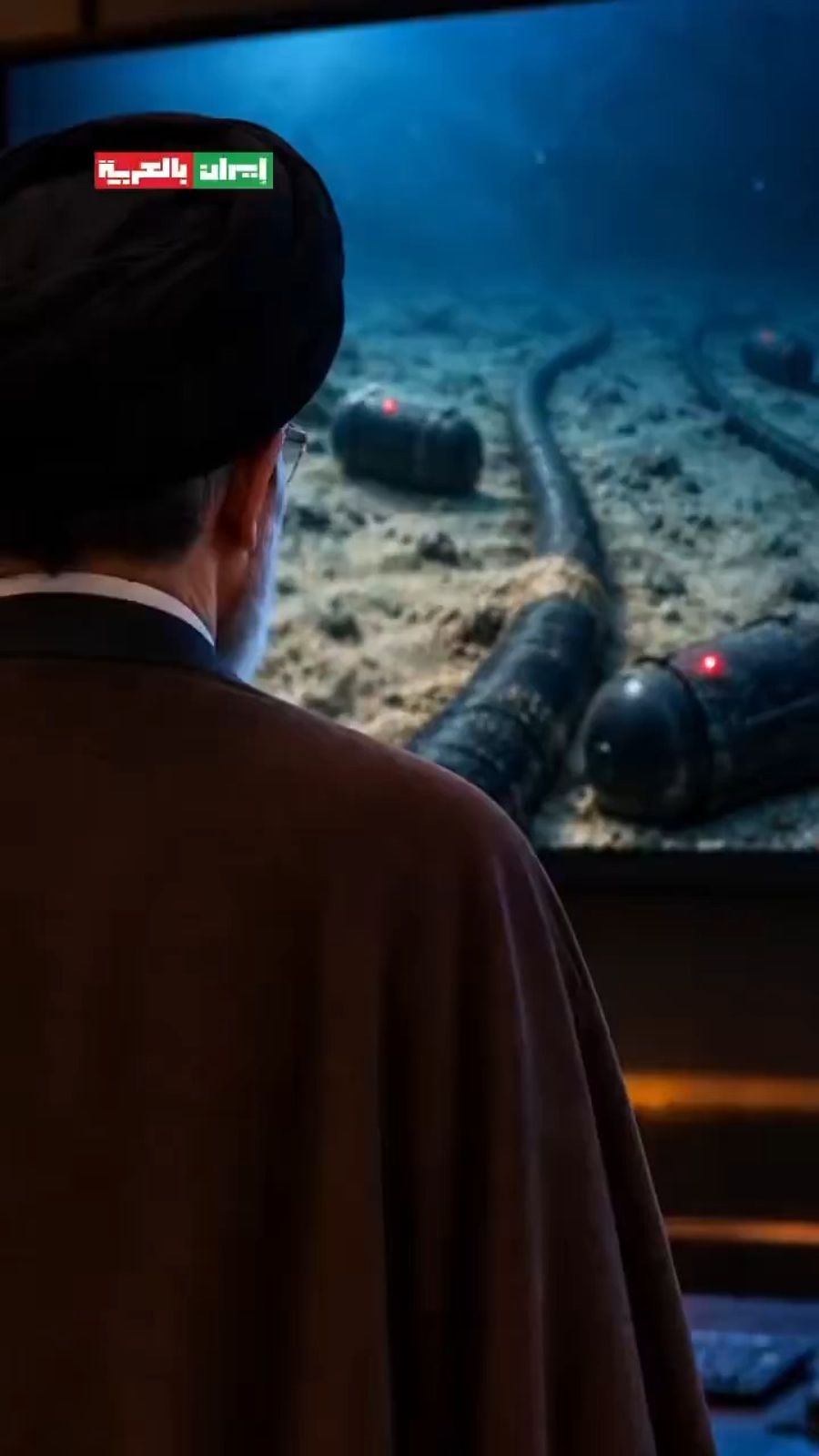

Propaganda channels of the Iranian regime have released a video depicting what a world without internet would look like, as senior officials in Iran’s Islamic Revolutionary Guard Corps threaten to strike undersea communications cables in the Strait of Hormuz if Iran comes under attack, Kikar HaShabbat reported Wednesday.
The video, credited to the IRGC, presents a scenario in which banking and communications networks are paralyzed. It is the latest in a series of escalating Iranian threats against the digital infrastructure that connects the Gulf to the rest of the world.
Last week, Yadollah Javani, a senior IRGC official responsible for political affairs, warned that seven major internet cables beneath the Strait of Hormuz could be targeted if Iran’s national infrastructure is attacked. The hardline Iranian newspaper Javan featured the threat on its front page under a headline declaring that cutting the cables had become a certainty, N12 reported.
On October 23, two senior Iranian security officials told Reuters that Tehran has drawn up detailed plans to target undersea cables in the Gulf if the United States and Israel resume strikes. One said Iran would also try to block repairs in order to prolong disruptions. “If Iran is attacked, there will be no more red lines,” one of the officials said.
Earlier this month, Mohsen Rezaei, a senior Iranian security official, warned that cables, data centers and artificial intelligence facilities across the region could be attacked if war with the United States resumes, according to Al Jazeera.
What runs beneath the strait
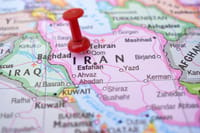
According to maritime intelligence firm Windward, six live cable systems currently cross the Strait of Hormuz: 2Africa, AAE-1, FALCON, Gulf Bridge International, Tata TGN-Gulf, and OMRAN/EPEG. Two more are under construction and due in 2027.
Four Gulf states, Iraq, Kuwait, Bahrain and Qatar, have no undersea route that avoids the strait, as every cable they use lands inside the Gulf, Windward said. Bahrain, Qatar and Kuwait do have land links to Saudi Arabia, but those backup routes may not be able to absorb several failures at once, which could lead to congestion and slowdowns.
The threat also carries a cost for Iran itself. The FALCON and Gulf Bridge International cables land in Iran, at Bandar Abbas and Bushehr, and OMRAN/EPEG connects Oman and Iran, meaning any attack on them would also sever Iran’s own connections.