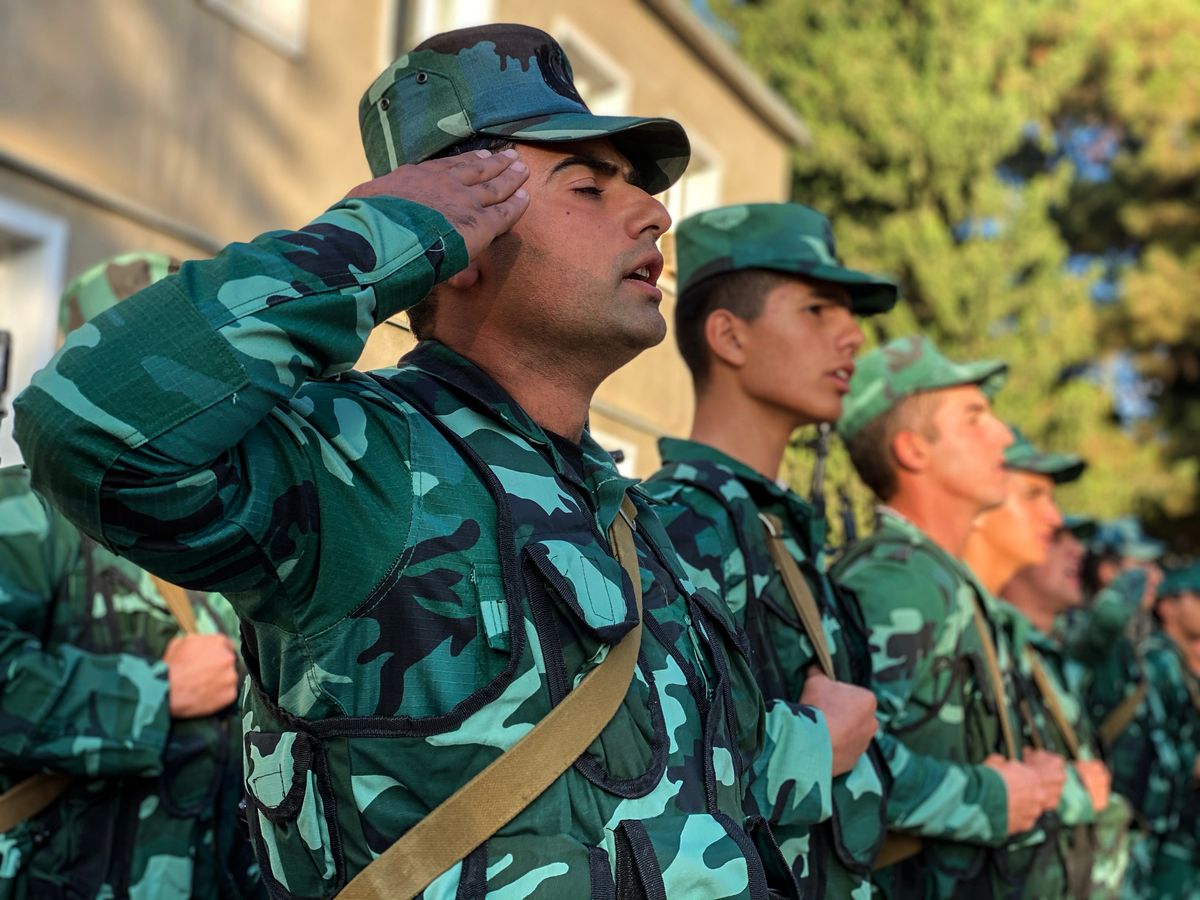
Azerbaijan has officially informed Israel and U.S. officials that it will not send troops to participate in a proposed international stabilization force in Gaza, particularly for high-risk tasks such as disarming Hamas, citing the absence of a complete ceasefire as a key barrier. This decision further diminishes the prospects of forming such a multinational contingent, as other potential contributors have expressed similar reservations amid persistent fighting in the region.
According to reports from Israeli media and international sources, Azerbaijan's stance was communicated in recent discussions, emphasizing that any involvement would be limited to non-combat roles in post-conflict reconstruction or peacekeeping only after all hostilities between Israel and Hamas have fully ceased.
An Azerbaijani source told Reuters earlier this month that the country has "no plans to send peacekeeping forces to Gaza unless the fighting between Israel and Hamas completely stops." This position aligns with statements from Baku officials, who have ruled out deploying soldiers in the current volatile environment.
The proposed stabilization force, discussed in October 2025, is part of a broader U.S.-backed initiative potentially tied to President Donald Trump's 20-point Middle East peace plan, which aims to address post-war governance and security in Gaza. Initial talks identified Azerbaijan, alongside Indonesia and Pakistan, as potential troop providers for a force estimated at up to 20,000 personnel. Responsibilities could include security, policing, reconstruction, and demilitarization efforts, such as overseeing the disarmament of Hamas militants. However, without a total halt to combat, nations have hesitated, making the force's formation increasingly unlikely.
Efforts to establish an international force draw from historical precedents, such as the Multinational Force and Observers (MFO) in the Sinai Peninsula following the 1979 Egypt-Israel peace treaty, which monitors compliance without direct combat involvement. Similarly, post-2006 Lebanon models, like the expanded UN Interim Force in Lebanon (UNIFIL), have been referenced in discussions for Gaza.
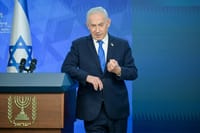
The U.S. has pushed for Arab and Muslim-majority nations to lead such a force to lend legitimacy and avoid perceptions of Western occupation, but geopolitical tensions, including Azerbaijan's own regional alliances with Israel against Iran-backed groups, have complicated recruitment.Israeli officials have expressed disappointment but continue to seek alternatives, with Prime Minister Benjamin Netanyahu's government insisting on Israeli oversight of any foreign deployment to ensure security.
Meanwhile, Hamas has rejected the idea of external forces disarming its fighters, viewing it as a threat to "Palestinian sovereignty."
According to Reuters, "A Hamas delegation was in Cairo [today] on Sunday to meet with Gaza war mediators... The Hamas official, speaking on condition of anonymity, said the delegation would be discussing Israel's "continued violation of the ceasefire agreement"."
They are also going to discuss implementing the next phase of the ceasefire and Gaza's future.