In a bid to revamp humanitarian efforts amid ongoing Gaza challenges, the United States is exploring a fresh initiative that could reshape aid distribution while bypassing direct UN security involvement.
Revealed by Reuters, the plan proposes a "Gaza Humanitarian Belt" comprising 12-16 secure distribution hubs along the internal lines where IDF forces have withdrawn, aiming to replace the beleaguered Gaza Humanitarian Foundation (GHF), which has drawn sharp international scrutiny.
These hubs would function as fortified centers for handing out essentials like food, water, medicines, and rehabilitation gear, complete with infrastructure for restoring water and electricity services. Logistical outposts would facilitate deeper penetration into the Strip via light vehicles, ensuring broader reach.
Adding a layer of intrigue (or stupidity), the proposal includes "voluntary reconciliation facilities" where armed terrorists could surrender weapons in exchange for amnesty, potentially fostering de-escalation. Security for aid convoys would fall to the newly formed Civil-Military Coordination Center (CMCC), leveraging drones to track movements and thwart hijackings or thefts.
US officials told Reuters this is one of multiple options under review, stressing that "nothing is final" but emphasizing the need for "effective aid flow to Gaza residents." The GHF might be phased out or integrated into alternatives like the UAE and Moroccan Red Crescent or the evangelical group Samaritan’s Purse, whose spokesperson confirmed preliminary talks with American reps, though details remain unresolved.
UN and aid groups have voiced alarms, viewing the American-Israeli supervised model as risking the "continued militarization of aid." Meanwhile, Ynet's Itamar Eichner reports from Jerusalem sources that Israel is deeply involved in crafting a US-backed UN Security Council resolution to legitimize a regional stabilization force in Gaza, without empowering the UN with security mandates.
A senior Israeli official involved noted the resolution seeks to enable an international force while avoiding restrictions on Israel's operational freedom. Broad consensus exists with Washington on the draft, but Israel insists it steer clear of Chapter 7 of the UN Charter, which permits military enforcement and oversight. "We want a general and non-binding resolution," the official explained, warning that UN-mandate elements could alter the force's character and limit actions.
Potential participants include Indonesia, Azerbaijan, the UAE, and Egypt, though Israel resists European leadership, particularly from France. Diplomatic insiders predict a vote in weeks, aligning with US drives to secure funding for swift infrastructure rebuilds under Western-regional oversight.Jerusalem underscores support hinges on one core tenet: No UN boots on Gaza ground, ensuring the plan bolsters stability without compromising control.
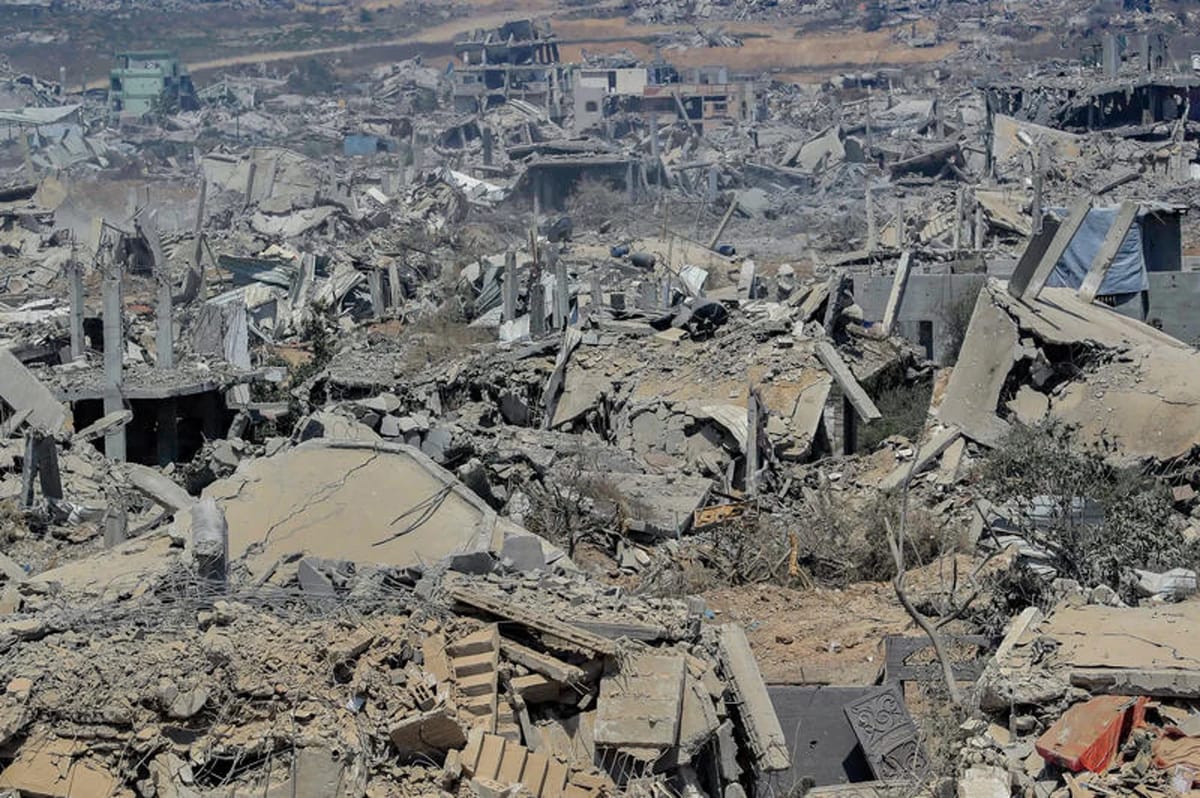
As "the day after" takes shape, this evolving framework could mark a pivotal shift in post-conflict Gaza dynamics.