Elections 2026
"Tick Tock:" Bennett Unveils Plan for Charedi IDF Draft
Naftali Bennett on Monday unveiled a sweeping proposal to overhaul Israel’s draft and benefits system, arguing that billions of shekels should be redirected from draft evaders to those who actually serve. Bennett framed the issue as both an economic and moral crisis, claiming that draft dodging causes roughly NIS 100 billion in direct damage to the Israeli economy.

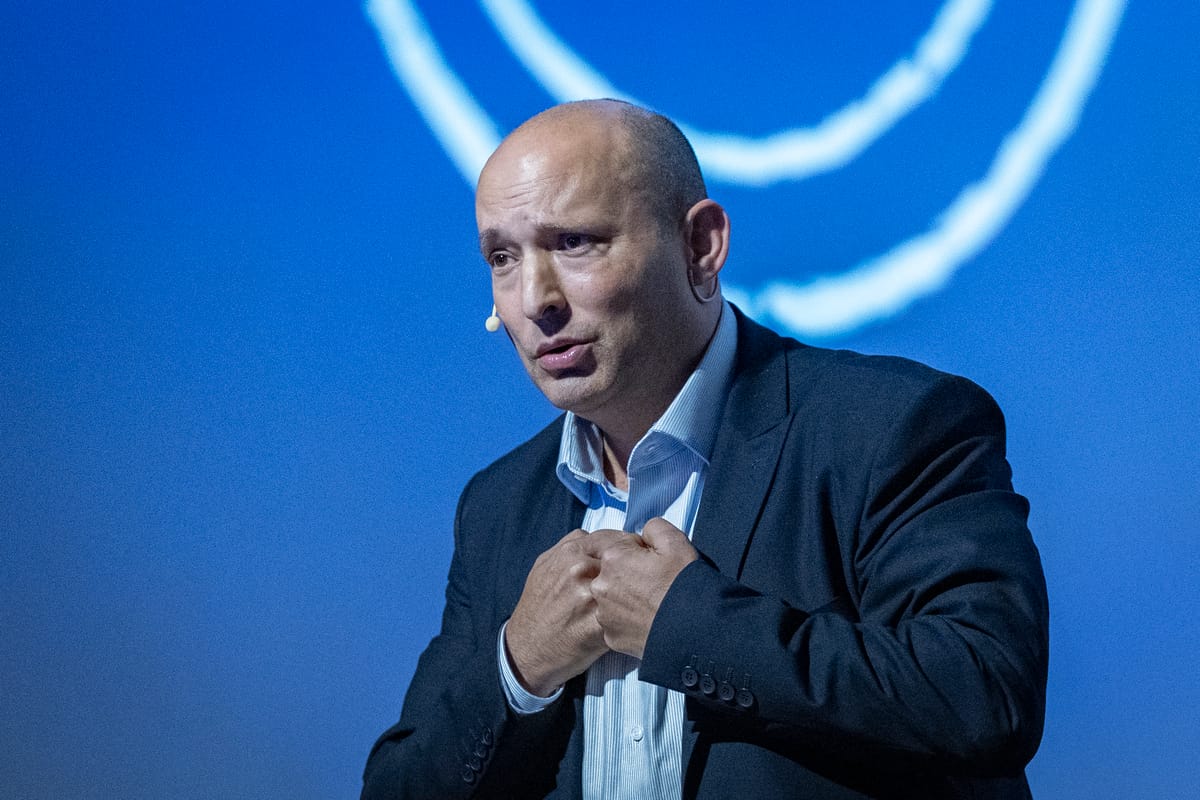
Former prime minister Naftali Bennett on Monday unveiled a sweeping proposal to overhaul Israel’s draft and benefits system, arguing that billions of shekels should be redirected from draft evaders to those who actually serve, particularly reservists. Speaking at a press conference, Bennett framed the issue as both an economic and moral crisis, claiming that draft dodging causes roughly NIS 100 billion in direct damage to the Israeli economy.
At the core of Bennett’s plan is what he calls the “Law of Those Who Serve,” a legislative package that would sharply expand benefits for soldiers and reservists while revoking state support from those who do not perform military or national service. Active reservists, under the proposal, would receive assistance purchasing a first apartment, subsidized childcare, and discounts on a range of state services, including utilities, as long as they continue reserve duty. Those who complete mandatory service would receive fully funded undergraduate degrees, with combat soldiers also eligible for fully funded master’s degrees, alongside public transportation and childcare benefits.
In parallel, Bennett’s proposal would strip benefits from citizens who do not serve, a direct response to the government’s efforts to pass a new draft exemption law for ultra-Orthodox yeshiva students. Bennett labeled the current exemption framework “anti-Zionist,” arguing that it weakens the Israel Defense Forces at a time when manpower shortages are acute. The IDF has said it urgently needs an additional 12,000 recruits, while an estimated 80,000 ultra-Orthodox men of draft age remain outside the enlistment system.

“This will be the flagship law of the next government,” Bennett said, vowing to cancel any draft evasion law “from the very first day” of a government he leads. He made support for the servicemembers’ law a precondition for joining such a coalition, drawing a clear political line ahead of the upcoming election. Bennett, who returned to politics last year with a new party, is widely seen as one of the strongest challengers to Prime Minister Benjamin Netanyahu.
Funding, Bennett insisted, already exists. He claimed that roughly NIS 25 billion currently flows to what he described as “draft dodgers and coalition handouts,” money he says could be immediately reallocated to those who serve. Beyond fairness, Bennett argued the reform would have macroeconomic benefits, injecting tens of billions of shekels back into the economy by increasing workforce participation and easing the burden on reservists and employers alike.
The proposal comes amid growing public frustration over the unequal distribution of military service, intensified by the prolonged war and heavy reliance on reserve forces. Recent polls suggest Bennett’s party could win more than 20 seats, though neither bloc currently appears capable of forming a clear governing majority. Against that backdrop, Bennett is positioning the draft and benefits debate as a defining issue of the campaign: a choice, as he put it, between a state that rewards service and one that continues to subsidize evasion.