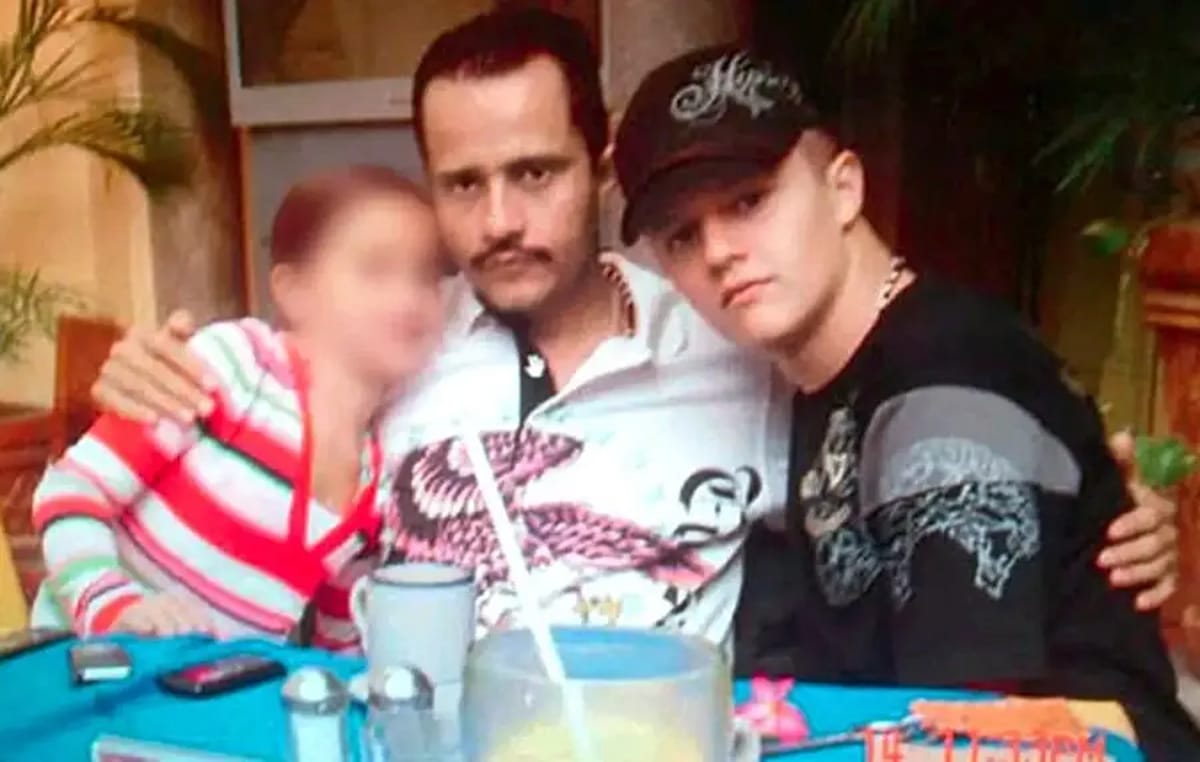
The successful liquidation of Nemesio "El Mencho" Oseguera Cervantes on Sunday was not merely a local military victory, but the result of a sophisticated, bilateral intelligence operation between Mexico and the United States. Following the Trump administration's designation of the Jalisco New Generation Cartel (CJNG) as a foreign terrorist organization in early February, the pressure to neutralize the kingpin reached a tipping point. New details from the Mexican Ministry of National Defense confirm that the raid in Tapalpa was supported by a newly established joint task force based in Arizona, which provided critical data to the Mexican Special Forces. As the "Código Rojo" remains active across five states, the CJNG has responded with an unprecedented level of military-grade force, utilizing armor-piercing weaponry and specialized drone tactics to challenge the federal government’s authority.
High-Tech Retaliation and "Narcodrones"
While the initial panic in urban centers saw the standard burning of buses and blockades, the military reality in rural Jalisco and neighboring Michoacán is significantly more dire. The CJNG has deployed "narcodrones," which are consumer drones modified to drop improvised explosive devices on federal positions. Reports from the front lines indicate that the cartel is also utilizing sniper teams and rocket launchers capable of downing military aircraft, a level of weaponry that few criminal organizations in the world possess. This technological escalation has turned the "Red Zones" into active war zones, where the line between a criminal investigation and an all-out military offensive has completely blurred.
The U.S. Embassy and the Canadian government have responded by identifying high-risk corridors where the threat of kidnapping or being caught in a firefight is extreme. Specifically, areas like Colima, Guerrero, and Nuevo León have been flagged as "Red Zones" due to their status as transit points for CJNG’s synthetic drug trade. With Air Canada and multiple U.S. airlines like United, Alaska, and Southwest suspending flights to Puerto Vallarta, the economic fallout is expected to be as devastating as the physical violence.
A Coordinated Blow to the Terrorist Network
The operation that killed El Mencho involved multiple Air Force aircraft and the National Guard's Immediate Reaction Special Force. Sources indicate that while the CJNG attempted a massive defense of their leader, four of his top lieutenants were killed instantly, and two others were captured. The $15 million reward once offered for Oseguera’s capture now serves as a testament to the scale of the threat he posed. However, President Claudia Sheinbaum’s administration is now facing the very "explosion of violence" she previously warned against. As the CJNG fractures, the Mexican government must now contend with a decentralized network of well-armed cells that no longer have a singular leader to hold them back.
As the Mexican army works to secure the Guadalajara International Airport and restore order to the highways, the focus in Washington has shifted to whether this success will lead to further joint raids. With the CJNG officially categorized alongside international terrorist groups, the rules of engagement have changed, and the "good guys" are clearly pushing for a total dismantlement of the fentanyl supply chain before the cartel can reorganize.