
Get our mobile app
Download on the App StoreGet it on Google Play

Israeli Politics

Degel HaTorah Faces Internal Tensions

As Israel's election deadline approaches, debate intensifies within the Lithuanian haredi party over whether to replace longtime Knesset members with fresh faces amid pressure from multiple factions

Yaakov Asher, Gafni, Maklev

With less than ten days remaining before candidate lists must be submitted for Israel's upcoming Knesset elections, political turbulence extends beyond the general arena into the haredi sector. While mainstream parties grapple with potential mergers and new entrants, Degel HaTorah—the Lithuanian haredi faction within United Torah Judaism—faces its own internal storm over whether to replace its veteran Knesset members with new candidates.

Recent weeks have seen growing speculation that components of United Torah Judaism might run separately this election cycle. A preliminary meeting between Degel HaTorah and Agudat Yisrael last week explored potential collaboration, but significant gaps remain unresolved.

Yet for Degel HaTorah's current lawmakers, the more pressing concern is what's happening within their own ranks. Discussions about replacing veteran members have moved from whispers to active deliberations in the homes of leading rabbinic authorities.

The dilemma is genuine: public anger exists over legislation affecting the haredi community during the current term, yet many recognize that experienced legislators will be essential for navigating the next government and countering continued pressures. Moreover, responsibility for recent setbacks doesn't rest solely with the Knesset members themselves. There's real concern, reflected in public opinion, that replacing the current slate could damage the election campaign.

Conversely, in certain rabbinic circles—particularly around Rabbi Dov Lando—there's recognition that establishing absolute control over Knesset members requires bringing in fresh representatives loyal exclusively to current leadership, unburdened by obligations to previous generations of Lithuanian communal authority.

Rabbi Lando's circle is attempting to avoid entering a minefield where the entry point is clear but the exit strategy uncertain, particularly given complications that could arise for reasons outlined below.


Rabbi Moshe Hillel Hirsch
Rabbi Moshe Hillel Hirsch (Shlomi Cohen / Flash90)

Unlike most Israeli parties, Degel HaTorah's candidate list is formally submitted to the Central Elections Committee by members of its Council of Torah Sages (Moetzet Gedolei HaTorah). The full list, which includes Degel representatives from across the country, requires signatures from all council members.

This means that removing veteran lawmakers Moshe Gafni, Uri Maklev, and Yaakov Asher would require unanimous consent from council members who currently maintain strong, positive relationships with the party's sitting Knesset members. It's far from certain these council members would approve or sign off on such removals, especially when they don't understand why it's necessary or what the alternative would be.

However, if Rabbi Moshe Hillel Hirsch—a fellow council member—were to request the change and designate whom he wants on the next list, the veteran lawmakers would face a serious problem. Until recently, they believed their standing with Rabbi Hirsch's household was secure and that the yeshiva head would not support their removal. But recent days have brought a shift that may signal what some are calling a "Lithuanian spring."

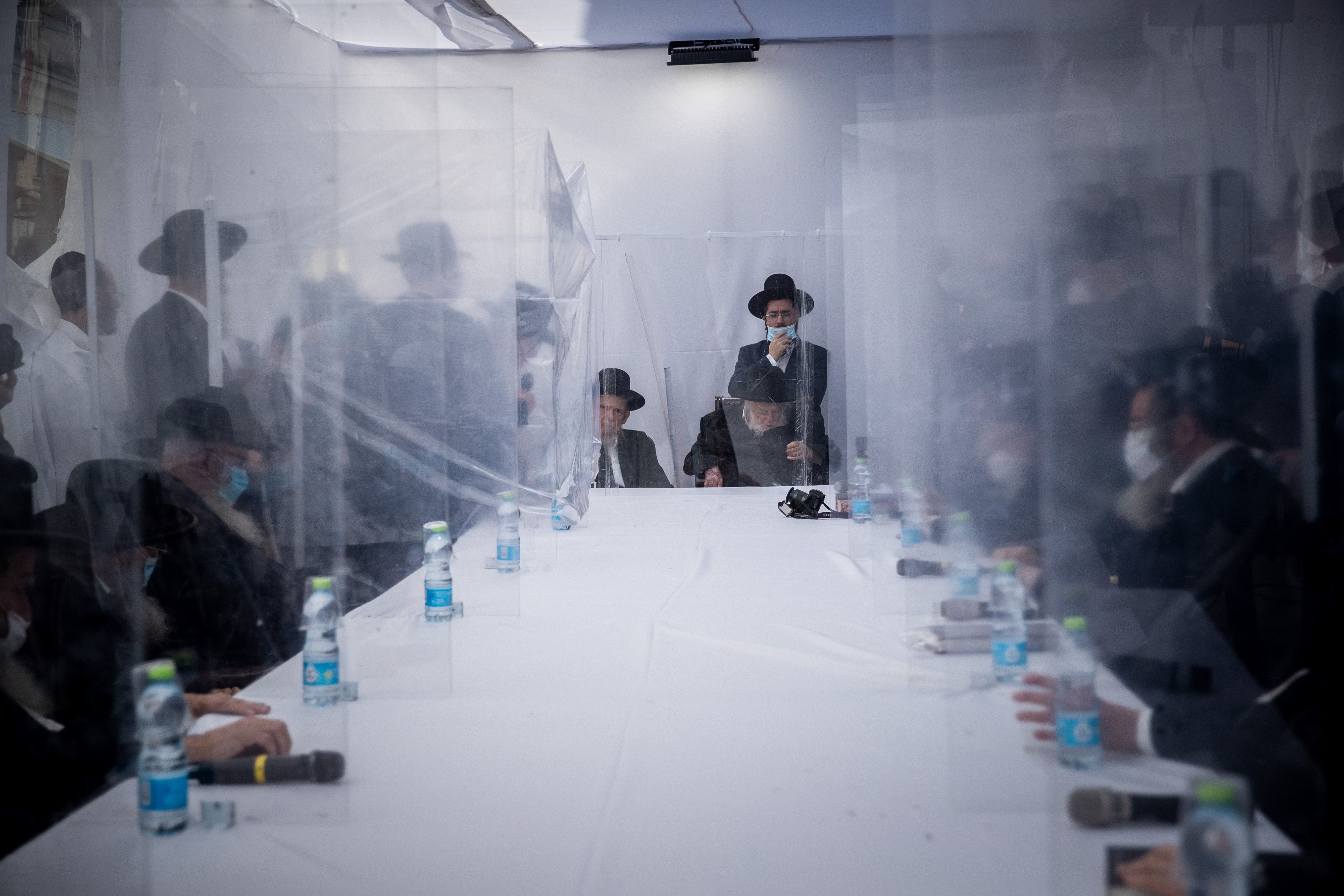
Moetzet members with Rav Landau
Moetzet members with Rav Landau (Photo: Shlomi Cohen / Flash90)

Sources indicate that Rabbi Lando's circle has been applying pressure on their neighbor on the hill—Rabbi Hirsch—to initiate the replacement of Knesset members. Leading this effort is a well-known and respected Lithuanian community activist who has launched numerous projects in recent years, bringing him close to Rabbi Hirsch's household. Recently, he has also begun cultivating ties with Rabbi Lando's circle, and despite his longstanding closeness to Knesset member Gafni and his associates, he now supports replacing the current lawmakers.

Examining the strategy of Rabbi Lando's associates reveals sophisticated maneuvering. They don't want responsibility for a failed removal attempt recorded under their name. They prefer to keep their hands clean, so they've found a proxy to act in their place. They tell inquirers they're not involved in the removal issue at all, ensuring that if the move succeeds, they'll control the nominees, but if it fails, they can claim innocence.

Furthermore, they understand that only Rabbi Hirsch's circle can advance this initiative without significant opposition from council members. He is better known to the older council members and has stronger historical ties to Degel HaTorah, meaning only Rabbi Hirsch could lead such an effort with relative quiet—something that wouldn't happen if Rabbi Lando's people officially spearheaded the move.

A senior figure in one of the Lithuanian rabbinic households confirmed these details and added dramatic information: "It's true that Rabbi Lando's people understand they cannot lead such a move themselves. Now there's real pressure from Rabbi Hirsch's household as well, who are frustrated that current Knesset members only consult Rabbi Lando's circle and not them. So they're beginning to consider their willingness to execute this move, even though Rabbi Lando's household would clearly be the main beneficiary, gaining control over the list. But they understand they also need to try establishing control now, even if limited."

Photo: Yonatan Sindel / Flash90

According to this senior source, internal discussions have raised another consideration: the new haredi parties that have emerged recently. Just as Shas feels pressure from these parties, Degel HaTorah recognizes the need to appeal to the modern-haredi public, which has grown significantly in recent years.

"These parties have apparently done effective work pressuring the rabbinic leadership, who believe that replacing Knesset members would be sufficient to satisfy the public—demonstrating willingness to change from haredi leadership and attempting to prevent vote leakage to parties that may not actually pass the electoral threshold."

The source concluded by noting that "the well-known activist working in rabbinic circles to advance himself as a potential Knesset member tells them they must offer some gesture and show genuine intent to engage the modern-haredi public. Such a dramatic step could indeed positively influence the voter base."

Ready for more?

Join our newsletter to receive updates on new articles and exclusive content.

We respect your privacy and will never share your information.

Enjoyed this article?

Yes (9)
No (0)
Follow Us:

Unmissable content


Loading comments...

Also of Interest