Get our mobile app
Download on the App StoreGet it on Google Play

Water Crisis

Israel Desalination Crisis: 5 Plants Shut

Micro-algae bloom from Egypt's Nile Delta has forced closure of most Israeli desalination facilities, threatening agricultural production ahead of holidays while household water supply remains stable

Desalination Plant

Israel is experiencing an unprecedented water infrastructure crisis as five of its six major desalination plants along the Mediterranean coast have been forced offline due to severe algae contamination. The shutdown, which began over the weekend, has left only one large-scale facility operational, though officials say household water supplies will continue uninterrupted.

The contamination stems from a bloom of micro-algae originating in Egypt's Nile Delta that has spread northward along Mediterranean currents. The microscopic organisms are small enough to penetrate the filtration systems at the desalination facilities, forcing operators to halt production to prevent damage and maintain water quality standards.

The affected plants include Ashkelon, Ashdod, Sorek A, Sorek B, and Palmachim. On Tuesday afternoon, authorities decided to bring the Palmachim facility back online at partial capacity in an attempt to ease the strain on the system. The Hadera and Eilat desalination plants, which draw from different water sources or conditions, continue operating normally.
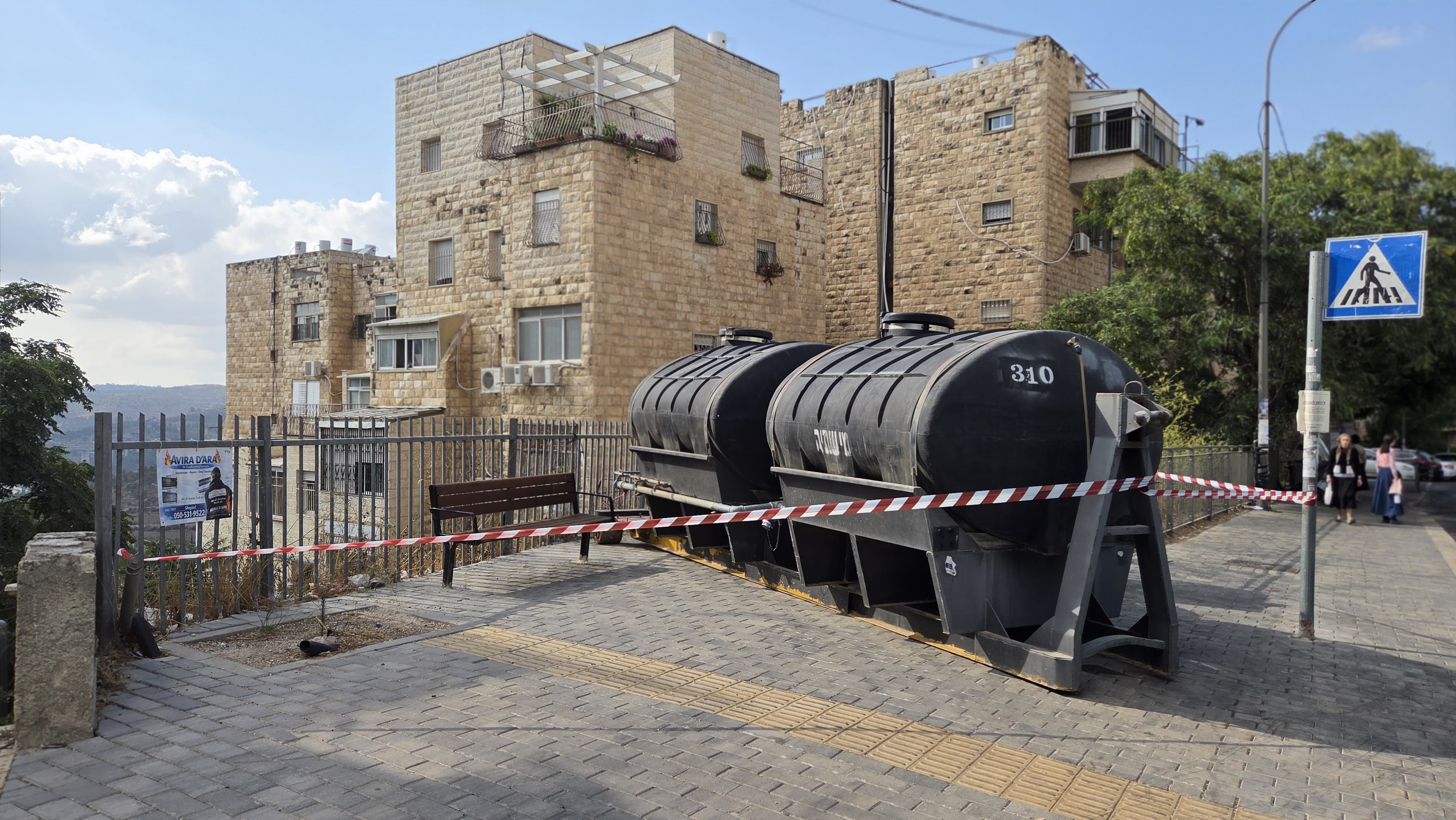
Water dispenser
Water dispenser (Photo: Heredim Jerusalem)

"An Unprecedented Event in Scale"

David Miulgai, CEO of the company operating the Hadera desalination plant, currently the only large facility running at full capacity, described the situation as extraordinary. "We're now working at maximum capacity. The state asked us to, and we're operating 24/7 without interruption," he told Israeli media. "I've been with the company for 12 years and there's never been an incident like this where five plants are shut down simultaneously. I estimate the filter cleaning will be completed within a day or two."

How Will Citizens Be Affected?

The Israel Water Authority has sought to reassure the public that there is no risk of drinking water shortages. Household supply will continue as normal, with the state simultaneously drawing water from the Sea of Galilee (Lake Kinneret) to compensate for the shortfall from desalination. However, local authorities have been asked to significantly reduce irrigation of public landscaping, and some localized areas may experience minor disruptions or reduced water pressure.

Throughout Tuesday, alerts were issued in several communities. Jerusalem residents were notified that disruptions in desalination operations could lead to reduced water pressure and even temporary outages in some neighborhoods. Residents of Kiryat Yearim received similar warnings about possible interruptions in water supply.

Photo: Jerusalem Haredim

Farmers Sound Alarm: "Crops Will Die Within 24 Hours"

While household taps continue flowing, farmers in southern Israel, particularly in the Pitchat Nitzana region, are bearing the brunt of the crisis. Agricultural water supply to the area has been cut off entirely, and growers warn the damage could be irreversible.

Roi Yosef, a tomato farmer in Be'er Milka, described a dire situation unfolding just as the Jewish holiday season approaches, when demand for produce peaks. "They've never shut off our agricultural water before. We're the main suppliers of tomatoes to Israel during the holidays," he said. "Just 24 hours without water and the damage could kill the entire crop. Every farmer here has invested millions to start the season. This is existential, farms could close and never reopen."

The Water Authority confirmed that following the shutdown of desalination facilities, it has mandated a reduction in freshwater supply to agriculture in the south in order to preserve water reserves and prioritize essential needs. Concurrently, Mekorot, Israel's national water company, has increased use of available alternative water sources.

Farmers in the region are calling on the Water Authority to find an emergency solution that will prevent the collapse of their livelihoods and disruption to the vegetable supply in local markets in the coming days. According to industry experts' assessments, the crisis is expected to resolve within one to two days once filter cleaning at the desalination plants is completed.

Ready for more?

Join our newsletter to receive updates on new articles and exclusive content.

We respect your privacy and will never share your information.

Enjoyed this article?

Yes (15)
No (1)
Follow Us:

Unmissable content


Loading comments...

Also of Interest