Behind-the-Scenes Preparations for Phase Two
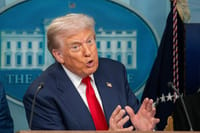
White House Spokeswoman Caroline Leavitt addressed reporters today, Thursday, confirming that the US is actively engaged in advanced political planning for "Phase Two" of the Gaza agreement, intended to pave the way for a resolution and rehabilitation of the Strip.
Leavitt clarified the status of the previously captured individuals, stating, "All living hostages have been returned, and all but one of the bodies have also been returned, and we are of course still working to bring back the last one," referring to the captive soldier, Ran Gvili.
Regarding the next steps in the peace process, Leavitt confirmed that the US is engaged in what she called "quiet planning" for Phase Two. She explained that the details of the transition, which include establishing a "Peace Council," an International Stabilization Force (ISF), and a Palestinian technocratic government, are being handled with extreme discretion.
"The reason the talks of the teams and mediators on the ground are conducted in relative quiet, as I was told this morning, is that they are trying to be precise, thoughtful, and cautious," Leavitt said. She noted the complexity of the issue, stating that achieving stable, lasting peace in Gaza is something people have been trying to achieve for 70 years. "When the announcements are ready, they will be published." The White House is maintaining a tight-lipped approach, reserving public announcements until they are prepared to release comprehensive details.
Israel's Concerns Over Exclusion
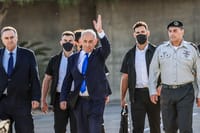
Despite the US confirmation of advanced progress, concerns are mounting in Israel that the American administration is not fully updating Israeli counterparts on the details of Phase Two. Israeli officials understand that the US aims to begin this phase, which includes further IDF withdrawal, increased humanitarian aid, and the establishment of a temporary multinational administration, in the coming weeks.
However, the American administration is reportedly keeping its cards close to its chest, withholding details from Israel concerning the timeline and the identity of the countries that will participate in the multinational force in Gaza. Leavitt addressed these concerns indirectly, stating that the White House would update when it had something concrete to share.
The Multinational Force and Gvili’s Status
The planned multinational force, expected to start operating in a limited capacity and then expand, is intended to deploy in several areas, beginning in the southern Gaza Strip. These areas of operation will be designated as "Green Zones," considered safe for the civilian population. The force is tasked with setting up infrastructure, including tents, and providing essential services such as water, food, and medical aid. Crucially, the multinational force will also be responsible for screening and filtering the Palestinian population relocated to these zones.
While the US administration views the establishment of the multinational force as progressing simultaneously with efforts to return Ran Gvili, it does not see Gvili's incomplete return as an obstacle to moving to the next phase. Conversely, Israel remains insistent that Phase Two must not proceed until Gvili is repatriated.
Earlier today, Israeli security sources confirmed they had recently acquired possible leads regarding Gvili's burial location, believed to be linked to Palestinian Islamic Jihad terrorists who captured him on October 7. Israel believes Hamas could obtain the necessary information from these PIJ terrorists if motivated to do so.
Trump’s Hand Injuries Explained
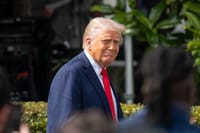
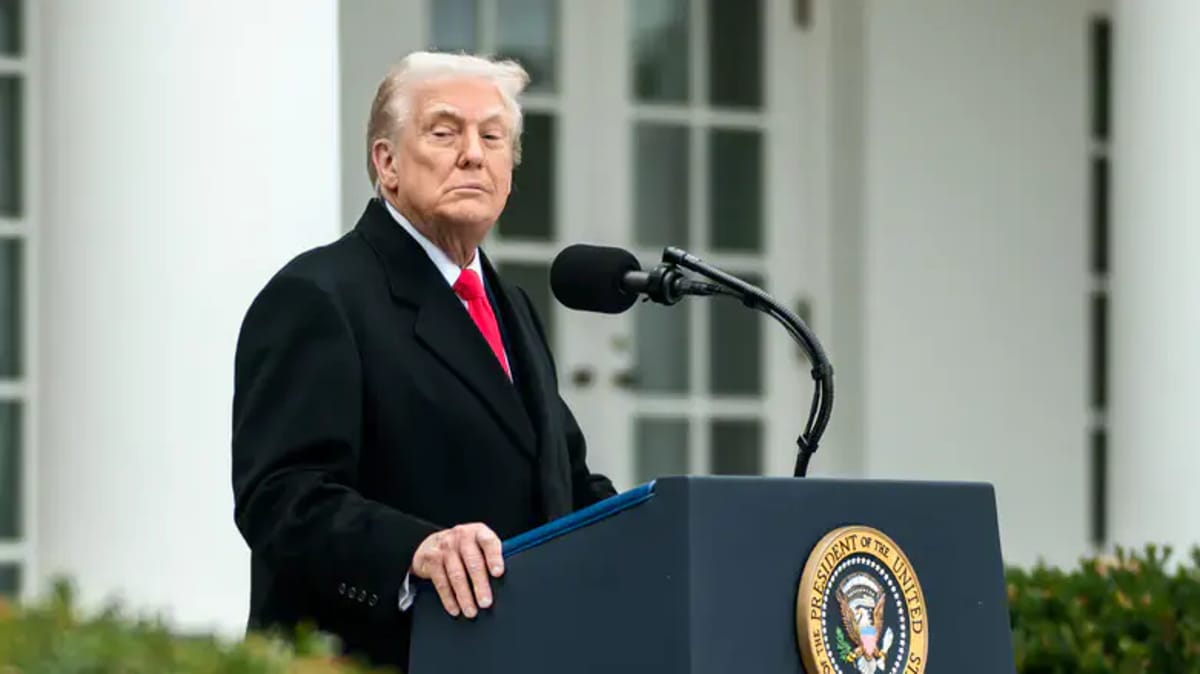
In a lighter moment during the briefing, Leavitt also addressed reports concerning bandages observed on President Donald Trump’s hand over the past week. She attributed the bandages to a combination of factors, stating, "The bandages on the President's hand are due to the many handshakes at the frequency of a central bus station, and in addition, he is under a regimen of taking aspirin, which also necessitates the use of bandages."