For over two decades, Venezuela has served as a critical outpost for Hezbollah in the Western Hemisphere, with reports detailing the group's entrenchment on Margarita Island and ties to the former regimes of Hugo Chávez and Nicolás Maduro.
U.S. intelligence assessments and media investigations describe this presence as evolving from fundraising networks among the Lebanese diaspora in the 1980s to sophisticated operations involving training, smuggling, and financial schemes by the 2000s. Margarita Island, once a bustling tourist spot, has been highlighted as a primary hub, surpassing even the Tri-Border Area in Argentina, Brazil, and Paraguay for Hezbollah's regional activities.
Training Camps and Iranian Support
Allegations of Hezbollah-operated training camps on Margarita Island surfaced as early as 2011, involving paramilitary instruction for recruits from Venezuela and other Latin American countries. These facilities reportedly include political indoctrination, weapons handling, and drug-related operations, all under the protection of the Venezuelan government. Iran's Islamic Revolutionary Guard Corps (IRGC) has been implicated in providing logistics, weapons, and instructors on Venezuelan territory, including collaborations with local militias known as colectivos. Some recruits have been sent to Iran, including to Qom for ideological training, or to Lebanon. Reports also note that Hezbollah operatives and fighters have relocated to Venezuela following Israeli strikes in Lebanon.
Illicit Networks: Drugs, Money, and Gold
Hezbollah's operations in Venezuela are deeply intertwined with narcoterrorism, including partnerships with the Cartel of the Suns, a network allegedly involving Venezuelan military officials, and dissident factions of Colombia's FARC. Activities include cocaine trafficking and money laundering through trade-based schemes, often utilizing duty-free zones on Margarita Island. Additionally, gold-for-arms deals have been reported, with Hezbollah and Iran exploiting Venezuela's illegal gold trade to circumvent international sanctions and finance their activities.
A key enabler of these operations has been the issuance of Venezuelan passports and identification documents. Between 2010 and 2019, more than 10,000 such documents were provided to individuals from Lebanon, Iran, and Syria, often through networks linked to the regime. Figures like former Vice President Tareck El Aissami, accused of Hezbollah connections, have been tied to this system, which provides cover for operatives using fake identities. Earlier intelligence from 2013 documented similar patterns dating back to 2008–2012.
The Nassereddine Network and Regime Ties
At the center of these activities is the Nassereddine family, a Lebanese-Venezuelan clan with deep connections. Ghazi Nassereddine, a former diplomat, and Abdallah Nassereddine, a businessman based on Margarita Island, have been accused of overseeing indoctrination, training, and smuggling operations. This network, which began under Chávez and grew under Maduro, has benefited from state protection, allowing Hezbollah to operate with relative impunity.
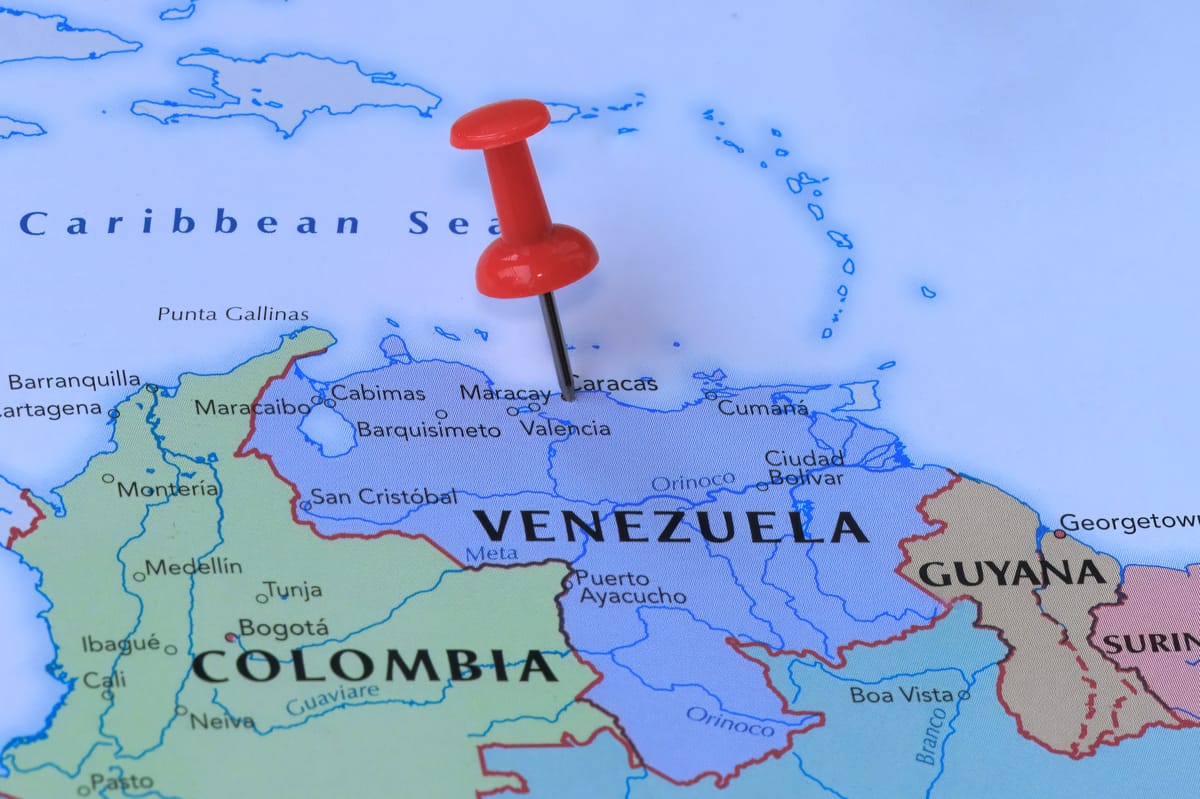
Strategic Implications and Proximity ConcernsMargarita Island's location, approximately 1,200 miles from Florida, has amplified U.S. concerns, with officials labeling Venezuela not merely as a failed state but as a "staging ground" for Iranian and Hezbollah activities in the Americas. This positioning is seen as enabling potential threats through forward operations, including the use of duty-free zones and state-backed infrastructure.
After Maduro: Silence and Potential Disruption
Following Nicolás Maduro's ouster in January 2026, Iran voiced protests, but Hezbollah has issued no public statements on the matter. Analyses suggest that the loss of regime protection could lead to the abandonment or disruption of some outposts, though entrenched networks may endure.
Pro-Venezuelan sources, including state media under the former regime, have dismissed these claims as U.S.-driven propaganda.