Post-Maduro

Trump's Machado Snub in Venezuela: Report Reveals Real Reasoning

While some commentators have suggested Trump’s personal disappointment over Machado’s Nobel Peace Prize played a role, the administration has denied that claim. For the White House, the decision appears rooted less in emotion than in a cold assessment of feasibility, leverage, and risk.

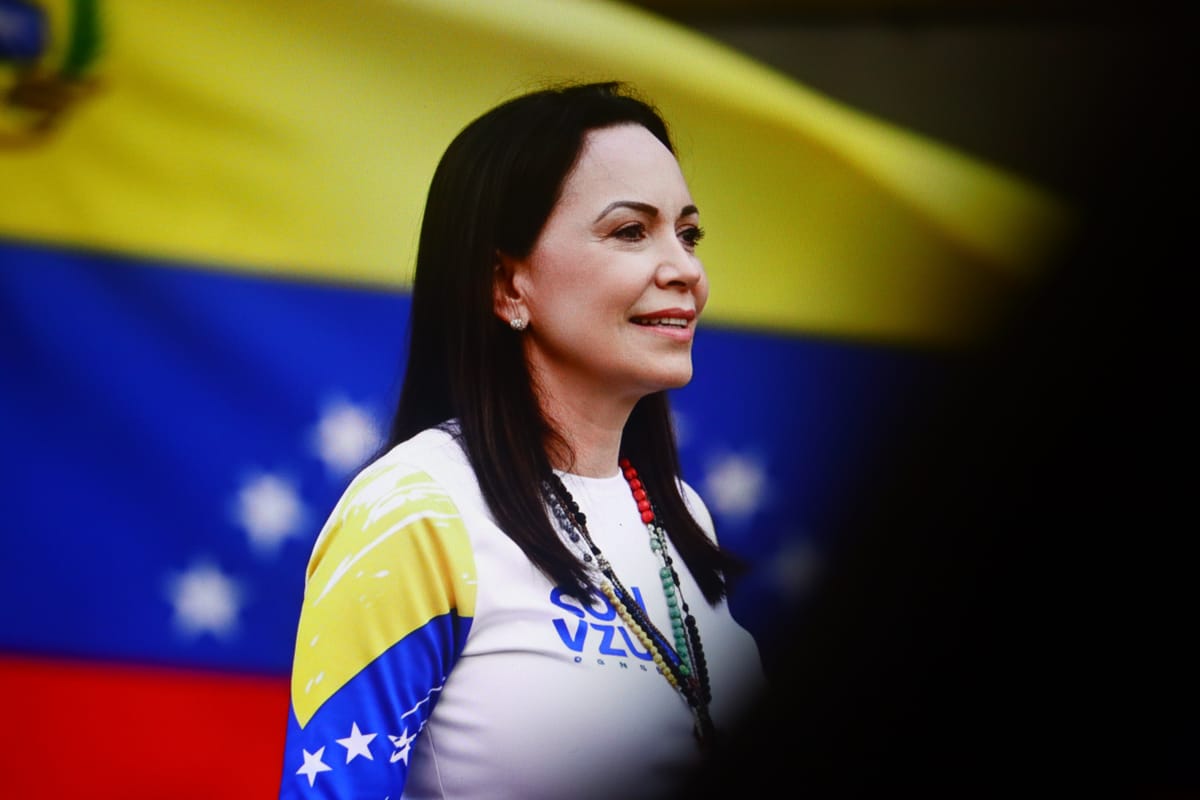
Maria Corina Machado is a Venezuelan opposition leader who won the 2025 Nobel Peace Prize for promoting democratic rights and peaceful transition from dictatorship. New York, US - 16 October 2025
Maria Corina Machado is a Venezuelan opposition leader who won the 2025 Nobel Peace Prize for promoting democratic rights and peaceful transition from dictatorship. New York, US - 16 October 2025 (Photo Agency/ShutterStock)

Behind President Donald Trump’s decision not to back Venezuelan opposition leader María Corina Machado as Nicolás Maduro’s replacement lies a set of strategic, political, and credibility concerns that go well beyond personalities or prizes.

While some commentators have suggested Trump’s personal disappointment over Machado’s Nobel Peace Prize played a role, the administration has denied that claim. Trump himself publicly dismissed her prospects, saying she lacked sufficient support and respect within Venezuela. For the White House, the decision appears rooted less in emotion than in a cold assessment of feasibility, leverage, and risk.

According to reporting citing senior US officials and intelligence assessments, Trump was persuaded by arguments from key advisers, including Secretary of State Marco Rubio, that formally backing Machado could further destabilize Venezuela and force the United States into a deeper, longer-term military presence inside the country. A classified CIA analysis reportedly echoed that view, warning that an overt endorsement of the opposition risked escalation without a clear path to consolidation of power.

Over time, US officials also grew frustrated with Machado’s assessments of Maduro’s grip on power. They came to believe that she consistently overstated the regime’s weakness while understating the institutional and military barriers to removing it. That skepticism extended to doubts about her ability to actually govern or unify the country even if Maduro were removed.

Those concerns were reinforced during interactions with Trump envoy Richard Grenell. Grenell met with Machado’s representatives and pushed for concrete steps, including arranging a face-to-face meeting in Caracas and providing a list of political prisoners the opposition wanted freed. Despite assurances of US protection, Machado refused to meet Grenell in person, and her team never delivered the requested prisoner list. According to people briefed on the talks, the relationship steadily deteriorated.

Grenell also pressed Machado to explain how she planned to install her surrogate candidate, Edmundo González, after she herself was barred from running. US officials say she failed to provide any workable plan for translating electoral legitimacy into actual control of the state. Her insistence on rejecting any dialogue with Maduro’s government, a core pillar of her political strategy, further limited her ability to build a broad coalition inside Venezuela.

Machado’s hardline support for sweeping sanctions compounded the problem. Her stance alienated Venezuela’s business class, much of civil society, and even some opposition-aligned actors who had found ways to operate under Maduro’s rule to keep the country functioning. US officials believed her messaging increasingly reflected the views of the diaspora rather than the realities faced by Venezuelans still inside the country.

Meanwhile, Machado’s allies in exile aggressively attacked critics on social media, costing her support among US Democrats and business figures with influence in Washington. As one political scientist put it bluntly, without US overreach, Machado lacked the institutions and levers of power needed to govern.

In short, Trump didn’t reject Machado because she symbolized opposition. He rejected her because, in the administration’s view, she never demonstrated a credible path from moral authority to actual power.


Ready for more?

Join our newsletter to receive updates on new articles and exclusive content.

We respect your privacy and will never share your information.

Enjoyed this article?

Yes (203)
No (8)
Follow Us:

Loading comments...