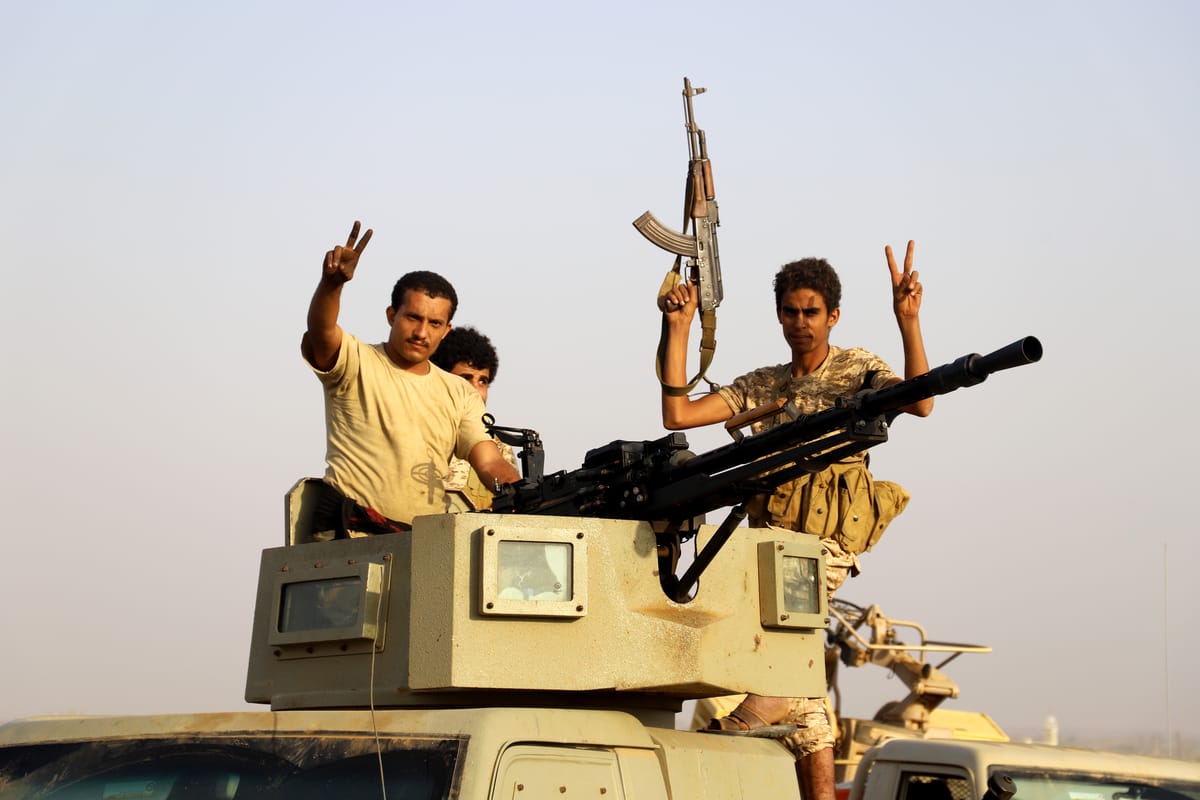
The Telegraph is reporting on a fresh bombshell from Iranian officials admitting that the Houthis, a Yemen-based rebel group long seen as Iran's key proxy in the region, have essentially broken free from Tehran's grip and are operating independently, as reported by Jpost.
This comes amid broader cracks in Iran's "axis of resistance," a network of allied militias and groups that Tehran has used for decades to project power without direct involvement.
Quick Background on the Houthis-Iran Drama
The Houthis (officially Ansar Allah) started as a Zaydi Shia movement in northern Yemen in the 1990s, fighting against government corruption and foreign influence.
They've been at war with Yemen's internationally recognized government since 2014, controlling large swaths including the capital Sanaa. Iran has backed them heavily with weapons, training, and funding, turning them into a thorn in the side of Saudi Arabia, the US, and Israel, like missile and drone attacks on shipping in the Red Sea, strikes toward Israel, and general disruption in the region.
But experts have long noted the relationship isn't pure puppet-master stuff; the Houthis often act on their own agenda, sometimes even against Iranian interests, like when they cut a unilateral ceasefire with Saudi Arabia in 2019.
Tensions really ramped up earlier in 2025. Back in April, reports surfaced that Iran was pulling its military advisers out of Yemen to avoid escalation with the US, which was hammering Houthi targets with near-daily airstrikes under Trump.
Iranian sources at the time called the Houthis a lost cause, saying they were "living their final months or even days" and no longer worth the risk, especially after the apparent collapses of other axis players like Hezbollah and Assad's regime in Syria.
Houthis laughed it off, denying any real Iranian boots on the ground and claiming the US bombings were a flop with no major losses on their side.
Some analysts suggested Iran was just playing coy to mess with Trump's head, maintaining backchannel support while publicly distancing itself.
The Latest Rogue Twist (November 2025 Edition)
Fast-forward to now: Iranian officials are straight-up confessing the Houthis have "gone rogue."
A senior one told The Telegraph: “The Houthis have gone rogue for a while and are now really rebels. They do not [listen to us anymore].”
This isn't just talk: Last week, a top Islamic Revolutionary Guard Corps (IRGC) commander flew into Sanaa to try wrangling them back in line.
The Iranians planned was to pump more support into the Houthis after a "months-long lull," urging them to "co-operate more than before" since they're basically the last solid group standing in Iran's depleted network - Even Iraqi militias are reportedly ignoring Tehran's orders to chill out on training.
Why now? Iran's axis is in tatters post its clashes with Israel and losses elsewhere, leaving Tehran desperate for reliable partners. The Houthis, meanwhile, have gotten cocky, they've survived years of airstrikes, mastered hiding their gear, and keep escalating attacks on shipping and Israel to boost their domestic credibility in Yemen.
Tensions reportedly boiled over back in April after Iran's own strikes, but the Houthis just kept doing their thing.
This exposes huge fractures in their proxy strategy. Without tight control, they're losing leverage in the Middle East, forcing a rethink after 40 years of this playbook. They're now hyper-focused on direct threats like US moves (e.g., B-2 bombers parked nearby in Diego Garcia).
For the Houthis, going rogue could mean more autonomy, but also isolation. They've got indigenous weapons tech now and rumored Russian arms smuggling via Iran, so they might not collapse even if Tehran fully bails. Plus, alignments with Russia and China for tech/military boosts.
If the Houthis keep freelancing, it could drag in more players, Saudi Arabia, the Gulf states, even potential preemptive strikes from Iran on US bases.
This whole saga feels like a messy breakup in the proxy world, Iran trying to reel them back with promises of more 'toys', while the Houthis flex their independence. If anything escalates, expect more fireworks in the Red Sea and beyond.