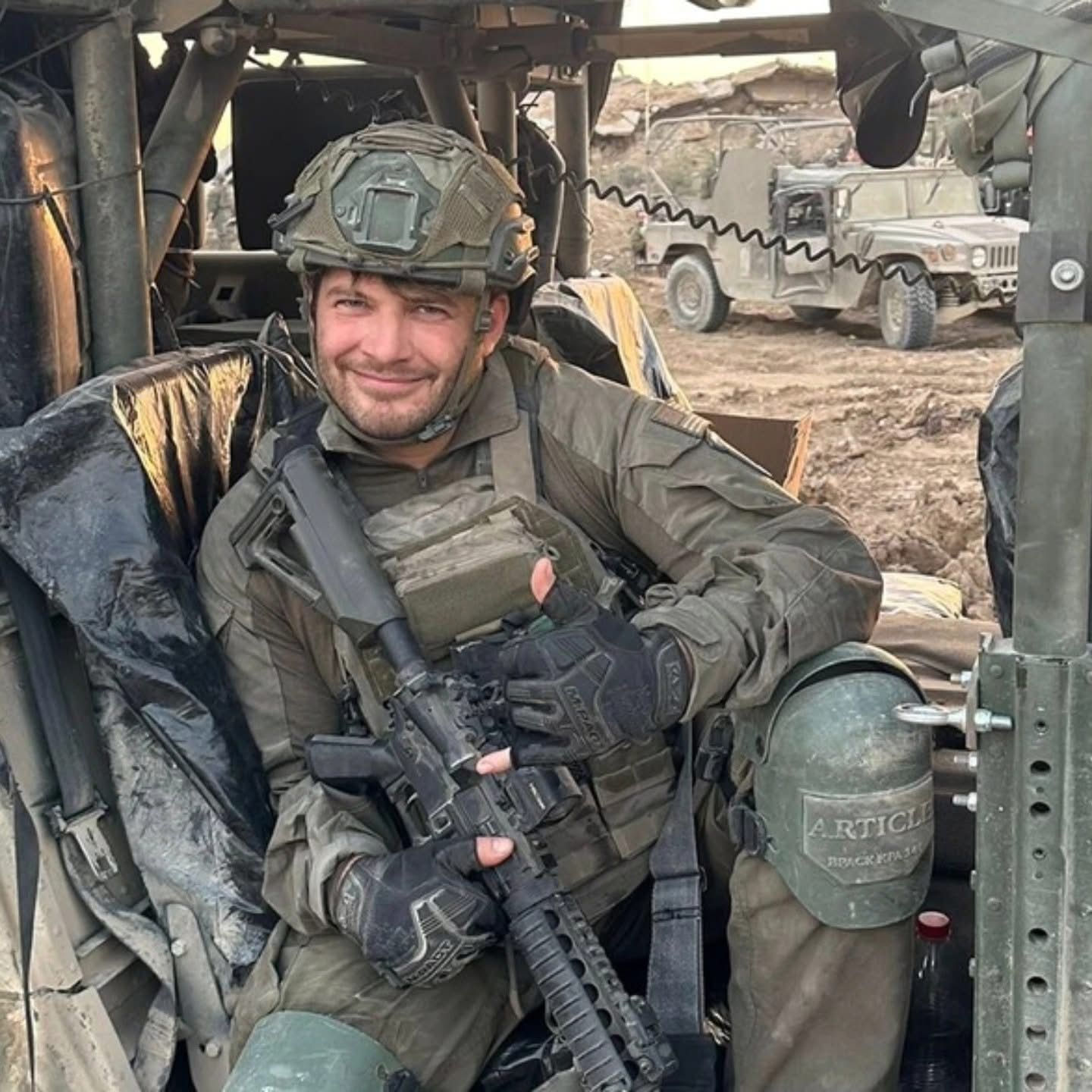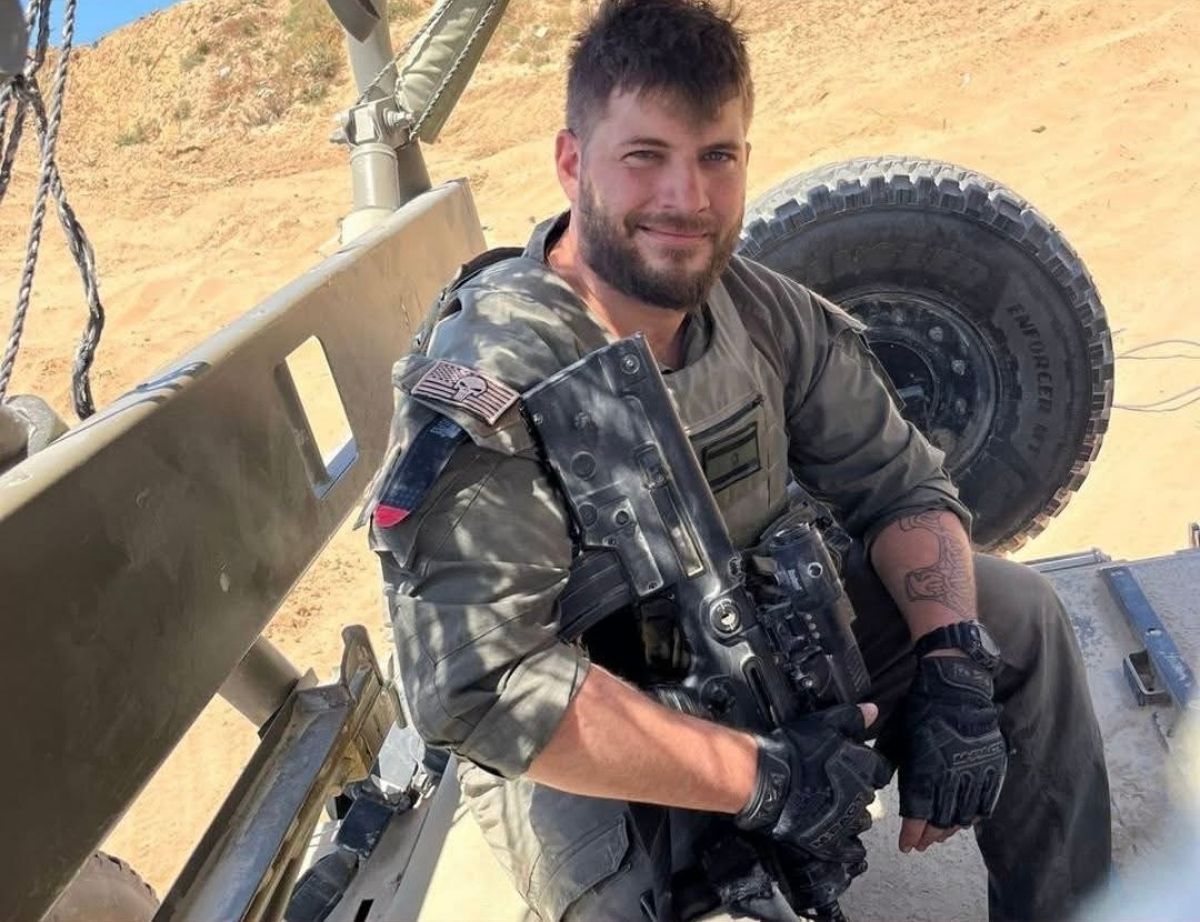
The tragic passing of Joshua (Yehoshua) Boone has cast a somber light on the treatment of Israel's reserve forces and the bureaucratic hurdles facing those who survive the battlefield but succumb to the mental scars of war. Joshua, a dedicated lone soldier who moved to Israel to defend the state, volunteered for an astounding 700 days of reserve duty over the last two years. As a elite sniper, he operated in the most dangerous combat zones across Gaza, Lebanon, and Syria, where he was credited with saving the lives of countless fellow soldiers. However, just two weeks after his final round of service ended, Joshua took his own life, leaving behind a grieving partner and a community of soldiers who viewed him as a beacon of light.
Despite his immense sacrifice, the IDF currently refuses to recognize Joshua as an official fallen soldier. Because his death occurred shortly after his active discharge, the Ministry of Defense has classified his passing as "perished due to service" rather than "fallen in the line of duty." This distinction is not merely semantic, it prevents him from being buried in the military cemetery at Mount Herzl, a place that represents the ultimate honor for those who gave their lives for the country. His partner, Keren Oliel, described the situation as a disgraceful betrayal of a man who always volunteered first. "Josh was a brave fighter who always volunteered first," Oliel said, adding that while he saved thousands as a sniper, he suffered from severe post trauma that went untreated. "He said it wasn't time to rest, and now he's truly resting."
The refusal to grant Joshua full military honors has ignited a fierce national debate regarding the criteria for recognizing fallen soldiers. Several families in similar situations have petitioned the High Court of Justice, arguing that the psychological wounds sustained during the war are just as lethal as physical ones. Currently, a special committee maintains that those who die after their service ends, regardless of the link to wartime trauma, receive reduced benefits and limited recognition. "It's not fair," Oliel argued, noting that Joshua had no family in Israel and gave everything to the state. "He fought for the country more than anyone, but due to technicalities, he's not an IDF fallen soldier."
Joshua was known among his peers as a selfless individual who was always there for others, even as his own mental health deteriorated under the weight of repeated combat tours. His case highlights a systemic failure to provide adequate mental health support for reservists who are considered the backbone of the military. A senior military source, speaking anonymously, admitted that the defense establishment must do more to protect soldiers after they return home. For Joshua Boone, his loved ones believe the least the state can do is allow him to be buried among his brothers in arms at Mount Herzl, honoring the hero who sacrificed his mind and soul for the defense of the nation.