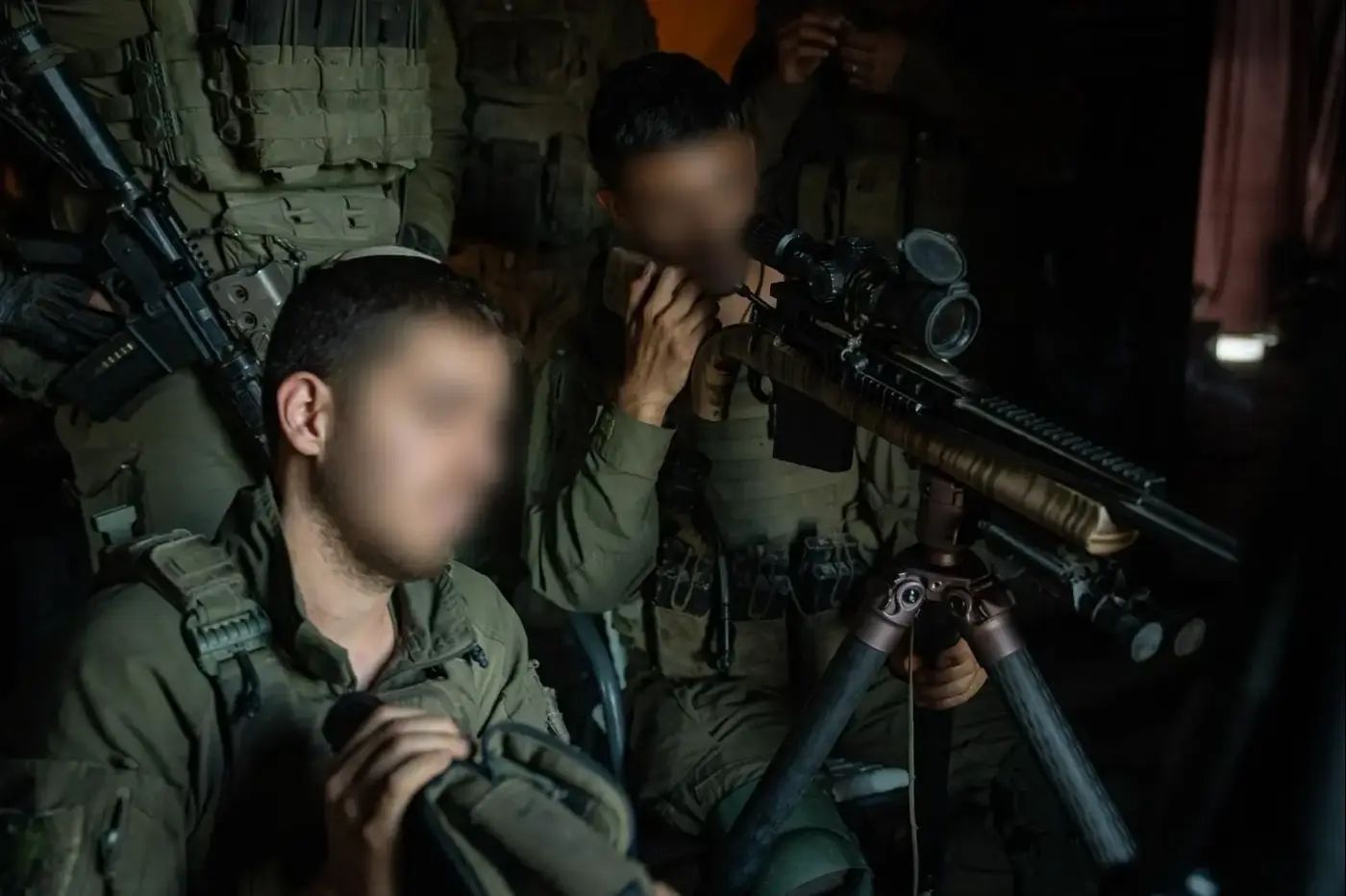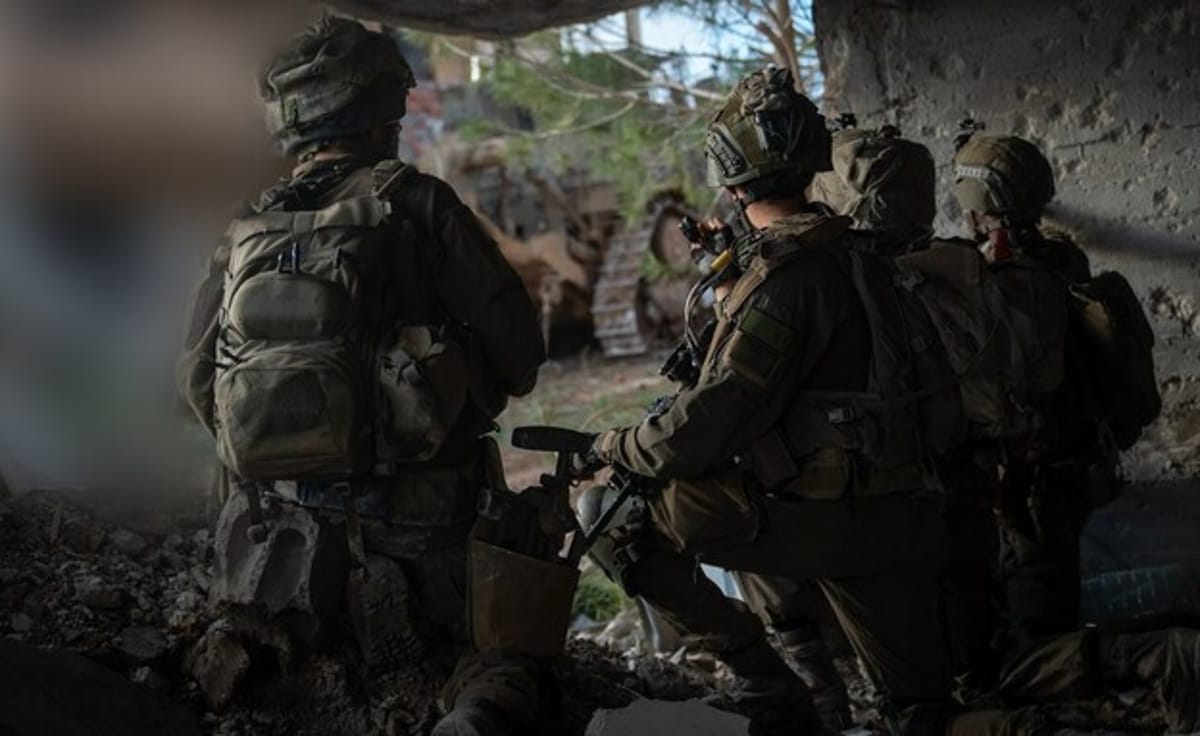
The Israel Defense Forces have initiated a comprehensive operational transition across the northern theater, systematically reducing active offensive maneuvers beyond the established tactical Yellow Line while reinforcing defensive stabilization grids. The strategic reassessment follows the sudden public disclosure of a diplomatic framework agreement brokered between Washington and Tehran, which has triggered mixed messages regarding the long term physical disposition of frontline combat units. While tactical formations await explicit, binding directives from the political echelon in Jerusalem, field commanders have finalized all structural preparations to manage a protracted territorial holding action within the captured border geography.
The sudden operational freeze matches a significant drop in offensive operations beyond the primary boundary markers, marking a distinct shift in the daily rhythm of the war. Despite the reduction in kinetic cross border thrusts, Chief of Staff Eyal Zamir has issued strict operational guidelines to forward brigades, ordering them to maintain an iron grip on the existing security buffer zone. Furthermore, the General Staff has commanded the air force to preserve total, uninterrupted aerial supremacy over the entire Lebanese airspace to rapidly neutralize any imminent threats to border communities.
The static military posture has been reinforced by Defense Minister Israel Katz, who delivered an unyielding administrative directive confirming that the defense establishment refuses to execute any premature physical withdrawals. Katz ordered the military to hold fast to designated security sectors along the Yellow Line, drawing a direct operational parallel to the ongoing defensive frameworks maintained inside the Gaza Strip and southwestern Syria. The defense minister explicitly commanded field units to exploit every available moment to systematically locate and demolish hidden terrorist infrastructure embedded within the locked territory, completely forbidding the unrestricted return of displaced local populations.
Despite the firm defensive posture maintained by frontline combat formations, the ground reality has generated severe immediate friction due to the rapid movement of local civilians. Throughout the morning hours, tactical observation units reported a massive influx of local Shiite residents attempting to return to ruined agrarian villages, defying parallel directives from the official Lebanese Army to slow down their approach. The uncontrolled migration has triggered immediate, localized security incidents, forcing Israeli infantry units to utilize targeted warning shots to keep crowds away from active defensive perimeters.
The strategic insistence on preserving the Yellow Line stems from its dual utility as a protective barrier and a potent piece of diplomatic leverage for allied negotiators. Defense analysts note that retaining physical control of the high ground allows Israel to directly influence the broader, fluid negotiations currently playing out between the United States and Iran. By cementing a permanent, fortified buffer zone, the defense establishment aims to ensure that any future international enforcement mechanism will have the structural teeth to prevent the re-emergence of hostile elements along the international boundary.