
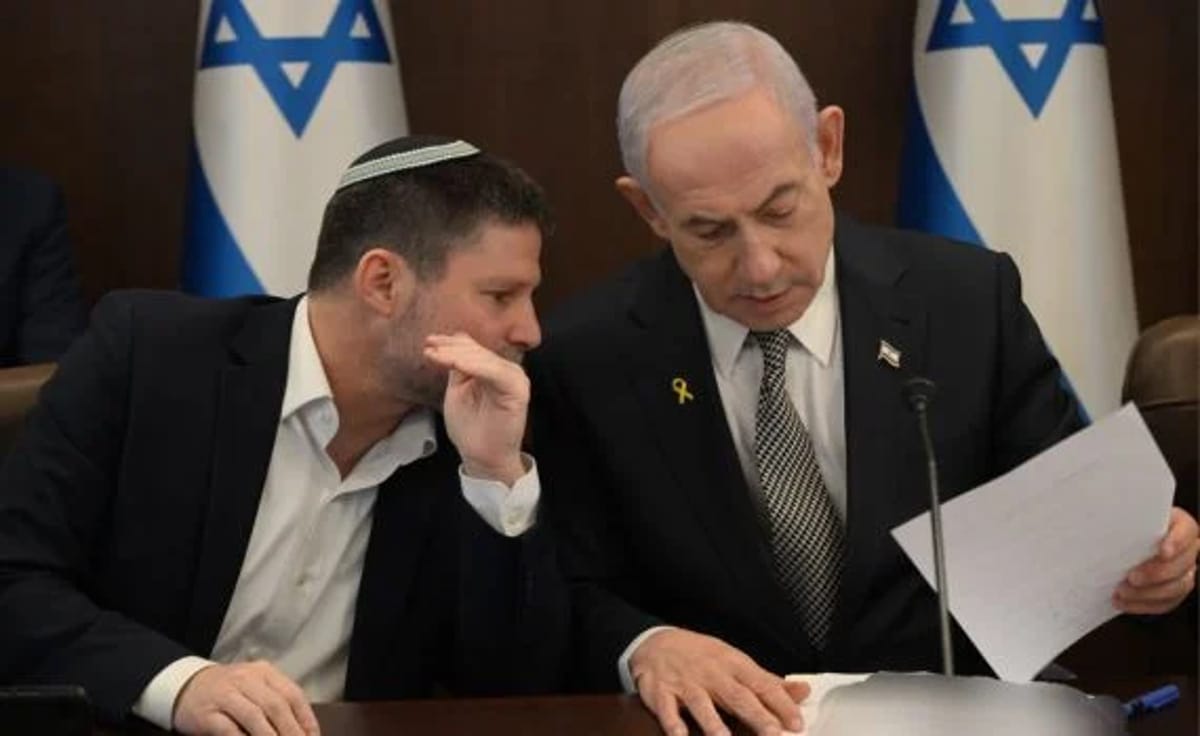
Prime Minister Benjamin Netanyahu is working to promote a technical merger between Itamar Ben Gvir and Bezalel Smotrich ahead of the next election, amid growing concern that Smotrich’s Religious Zionism party may fail to cross the electoral threshold.
According to a Channel 12 report by Amit Segal, Netanyahu fears that a failed Smotrich run could waste right-wing votes and cost the bloc its majority. The concern is not only about Smotrich’s political future, but about the possibility that votes cast for a party below the threshold could decide the election.
Under the proposal, Ben Gvir’s Otzma Yehudit and Smotrich’s Religious Zionism would run together on a technical joint list. After the election, the two factions would be able to split again and operate separately in the Knesset.
To encourage the move, Netanyahu is reportedly offering reserved spots on the Likud list to representatives from both camps. The offer would give each side a guaranteed path into the next Knesset through the largest party in the bloc, while making a joint run more politically attractive.
The proposal could come at the expense of other figures currently expecting placement on the Likud list, including allies of Foreign Minister Gideon Sa’ar. According to the report, Sa’ar’s party colleague Ze’ev Elkin may be forced to run independently or compete for a spot without the same protection.
Ben Gvir and Smotrich are not eager to reunite. The two parties have clashed repeatedly and have different political interests. Ben Gvir has shown stronger polling numbers and may prefer to run alone, while Smotrich faces greater pressure because of his party’s weaker standing.
For Netanyahu, the issue is practical. A fragmented right-wing field could endanger the bloc, while a technical merger would reduce the risk of lost votes. Similar calculations have shaped previous elections, when Netanyahu pushed smaller right-wing parties to unite in order to preserve the bloc’s total seat count.
The move reflects the growing sense that the coalition is already preparing for elections, even as the government remains in office. With polls showing a volatile political map and new parties entering the race, Netanyahu is again turning to bloc management as a central campaign strategy.
The message to Ben Gvir and Smotrich is clear: run together now, split later, and avoid handing the election to the opposition through wasted votes.