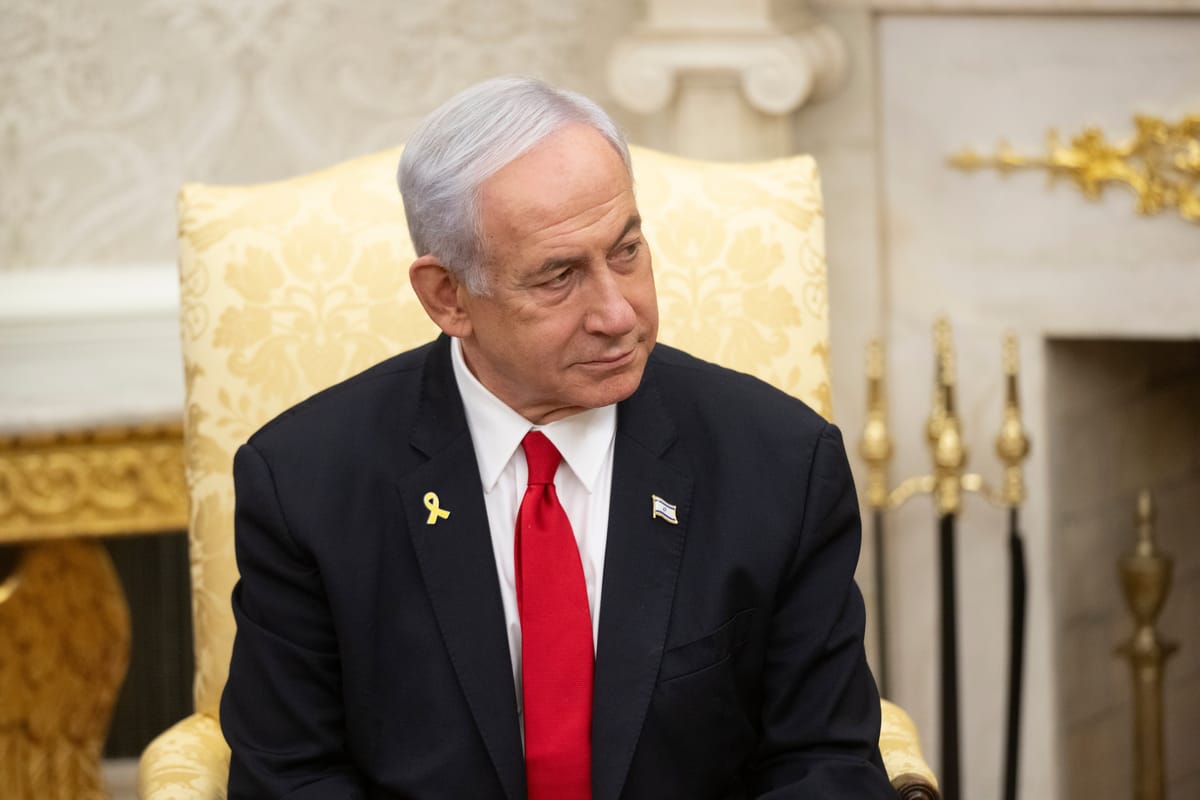
The unexpected public silence maintained by the prime minister regarding the latest international agreements finalized between Washington and Tehran has ignited intense domestic political speculation, marking a total departure from his historical security doctrines. For over two decades, the head of the government has utilized every available global forum to launch aggressive public campaigns against western diplomatic compromises with the Iranian regime. The decision to remain entirely silent during the rollout of the current fourteen point memorandum has forced political observers to carefully re-examine the hidden strategic maneuvers operating behind the scenes in Jerusalem.
Prominent political analyst Amit Segal delivered a detailed assessment clarifying this dramatic strategic shift, identifying three cumulative factors that explain the complete lack of public blowback from the prime minister's office. The first and least likely possibility is an internal intelligence assessment indicating that the actual parameters of the current diplomatic framework are far less damaging to state interests than they appear to the general public. Under this scenario, the prime minister may perceive that the text contains hidden safeguards, eliminating the immediate tactical necessity for a high profile public offensive.
The second factor centers on direct tactical management regarding the leadership in Washington, as the prime minister recognizes the vital importance of protecting his long term working relationship with the American president. With another two and a half years remaining in the current presidential term, initiating a direct, highly publicized media war over the treaty carries immense diplomatic and political risks. Jerusalem seeks to avoid a redundant public breakdown in communications, choosing instead to preserve crucial security channels by offering zero public resistance to the president's favored international initiatives.
The third and most significant rationale involves a profound reallocation of military resources, with the state administration currently pouring its entire strategic focus into resolving the ongoing ground operations along the northern front. Segal revealed that an overwhelming amount of high level communication has transpired between the American and Israeli executive branches over the past week alone, demonstrating a stark realignment of priorities. Surprisingly, roughly 80 to 90 percent of the time spent during these critical leadership phone calls was dedicated exclusively to managing the complex security situation in Lebanon.
According to the analysis, the high command now views the broader diplomatic accord with Tehran as an unalterable reality, or a done deal, that cannot be derailed through public rhetorical opposition. Consequently, the prime minister's supreme interest remains focused on ensuring that the active security zone in southern Lebanon continues to be managed under total state control. By maintaining complete silence on the nuclear text, the political echelon successfully secures crucial American diplomatic coverage, allowing the armed forces to systematically dismantle Hezbollah terror infrastructure according to Israel's immediate defensive needs.