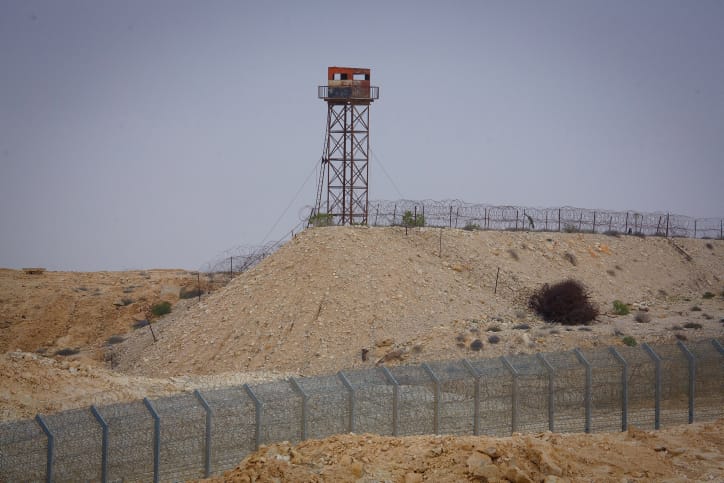
Smuggling networks operating along Israel's eastern border have changed tactics in recent weeks: instead of drones vulnerable to IDF electronic jamming, the skies over the Arava are now filled with silent helium balloons carrying tens of kilograms of cargo and advanced navigation equipment. Security officials and civilian watchdog groups warn that the threat could shift rapidly from drugs to weapons and terror materiel.
For years, drones were the primary tool in the smuggling trade, fast, precise, and capable of carrying significant loads. But after the IDF adapted its electronic warfare systems to jam the frequencies that control them, the smuggling networks changed course. The answer was a return to "old" but effective technology: helium balloons and weather balloons.
The advantage of balloons is clear: with no motor or remote control frequency, they have no digital signature or noise that can be easily detected and jammed. Smugglers attach a GPS device to the balloon and sometimes a timed release mechanism, such as a Shabbos clock that activates a heating coil to burn through the rope at the designated hour. That allows massive shipments, such as an unusual 100-kilogram load recently discovered near Ein Yahav, to land at a precise point where a pickup team waits on the Israeli side.