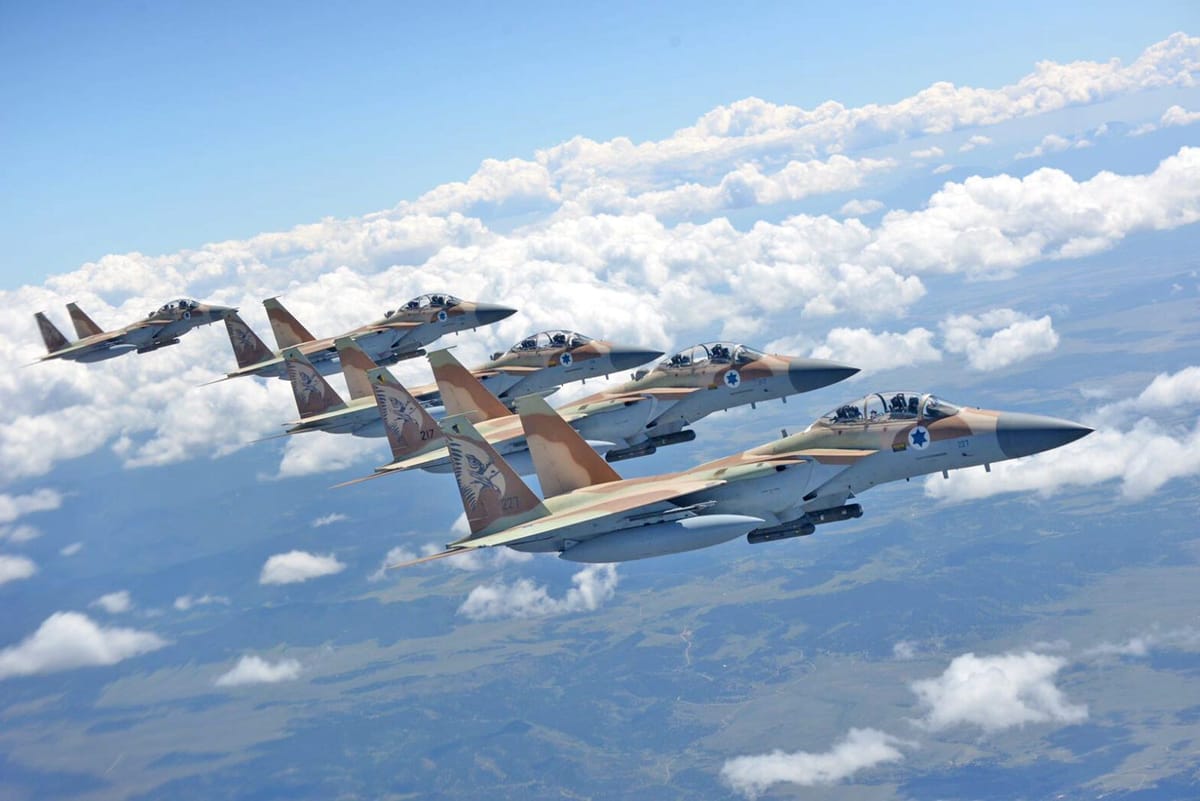
A newly leaked internal inquiry is exposing searing details of the Israeli Air Force’s (IAF) failure to launch a rapid, effective response during the initial, critical hours of the Hamas terrorist attack on October 7. The investigation, led by Brigadier General Oren Solomon, the Gaza Division’s chief debriefer, paints a damning picture of paralyzing central control, poor decision-making, and fighter jets sitting on the tarmac while Hamas terrorists poured into Israeli communities.
The probe reveals that the IAF received concrete intelligence overnight indicating Hamas was adopting an unusual operational posture but never convened a serious situational assessment. Further complicating the situation, a young IAF watch officer reportedly placed approximately 50 calls attempting to obtain raw intelligence data from Military Intelligence and Unit 8200, but the material never reached her, and no operational changes were implemented.
Jets Grounded for Three Hours
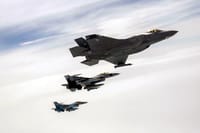
When Hamas launched its coordinated assault at first light, the Gaza Division immediately declared a ground invasion. Within minutes, Air Force command was notified of multiple mass breaches along the border fence near Kerem Shalom and Netiv HaAsara. Yet, in a critical lapse, most fighter jets remained grounded for nearly three hours.
Instead of immediately striking the terrorists flooding through the breached fence, the Air Force prioritized preparing a pre-planned deep-strike operation codenamed “Sword of Damocles” against designated Hamas targets inside Gaza. By the time dozens of aircraft finally executed the pre-approved strike package late in the morning, thousands of Hamas terrorists had already committed widespread murder and abduction, with many crossing back and forth between Gaza and Israeli territory multiple times.
Ground officers quoted in the probe described making desperate pleas to the Air Force to shift its priority to the border barrier and the access roads, warning that every minute lost meant more Israeli civilians were left defenseless.
Hyper-Centralized Command
The investigation also highlighted deep-seated systemic issues. During a closed-door debriefing at Palmachim airbase, pilots and navigators vented frustration that hyper-centralized control “kills us,” explaining they were forbidden to fire without explicit approval and were often punished for showing initiative. This environment led pilots to shy away from the fast, aggressive decisions necessary during the chaos of the invasion.
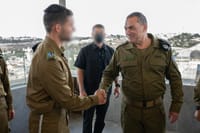
Air Force Commander Major General Tomer Bar has previously conceded that the force "failed" in key missions that day, acknowledging it was not adequately prepared for the unprecedented mass ground incursion and Hamas's coordinated drone swarms. However, the IDF has stressed that the IAF technically met the readiness levels and strike orders set by higher command.
These revelations align with earlier probes suggesting the IAF lacked enough ready jets and had weak planning for a mass ground invasion. Together, they sharpen the pressure on the Israeli government to form a full state commission of inquiry. The willingness of the military to publicly dissect and expose its own failures, even while engaged in war with Iran-backed terror proxies, underscores a commitment to self-correction intended to ensure the military can hit harder and faster in the future.