How Memorial Day Triggers Soldiers with PTSD
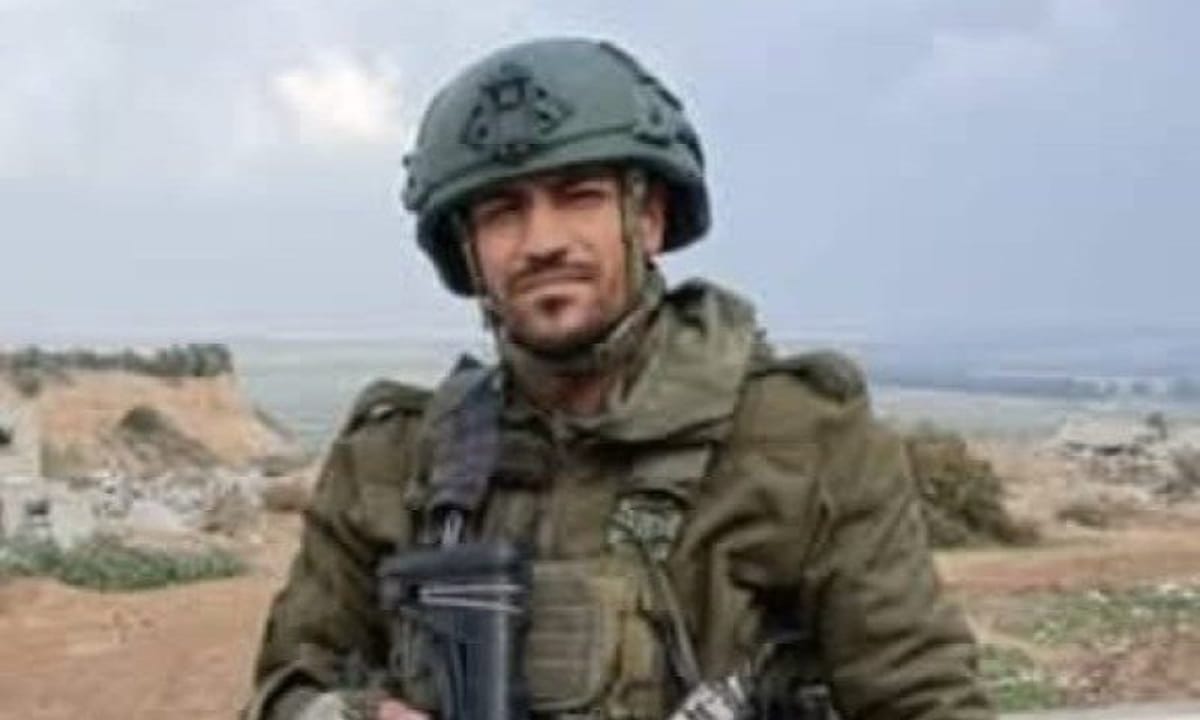
While the nation stands in silence at military cemeteries to honor the fallen, Dudu Yehuda, a Combat Engineering soldier who fought in Gaza, shared a raw and courageous interview with the "Srugim" news site. He reveals the chilling reality of shell-shocked veterans who find themselves unable to leave their homes on Memorial Day.

While the nation stands in silence at military cemeteries to honor the fallen, Dudu Yehuda, a Combat Engineering soldier who fought in Gaza, shared a raw and courageous interview with the "Srugim" news site. He reveals the chilling reality of shell-shocked veterans who find themselves unable to leave their homes on Memorial Day. For Dudu, the sirens and ceremonies aren't just tributes, they are triggers that bring the battlefield back in an instant.
"It’s Not One Event; It’s the Attrition"
Dudu’s journey began on October 8th, the day after the initial massacre. Serving in the brigade command staff (Chapak) of the 605th Combat Engineering Battalion, he found himself in the heart of the fighting inside Gaza.
When asked if a specific trauma caused his PTSD, he points to the cumulative weight of the war. "It’s a sequence of events. It’s not just one thing." However, one moment remains etched in his memory: his friend, Akiva Yasinski, had filled in for him during an operation involving singer/soldier Idan Amedi. Dudu was only 500 meters away when the truck involved in the mission exploded.
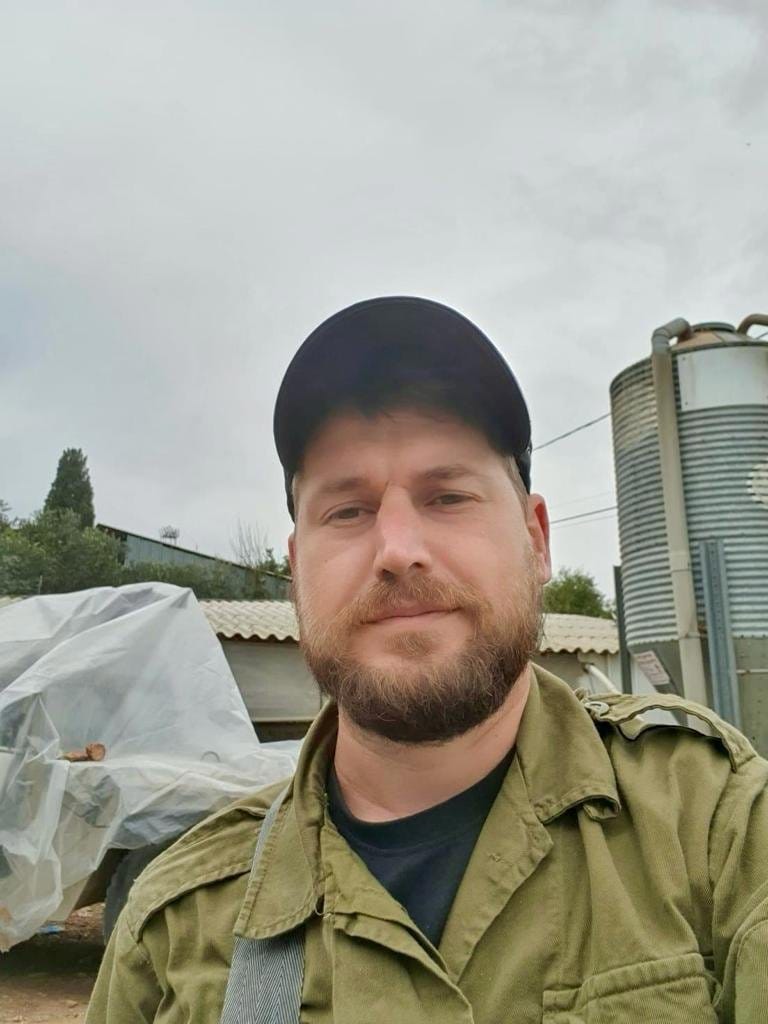
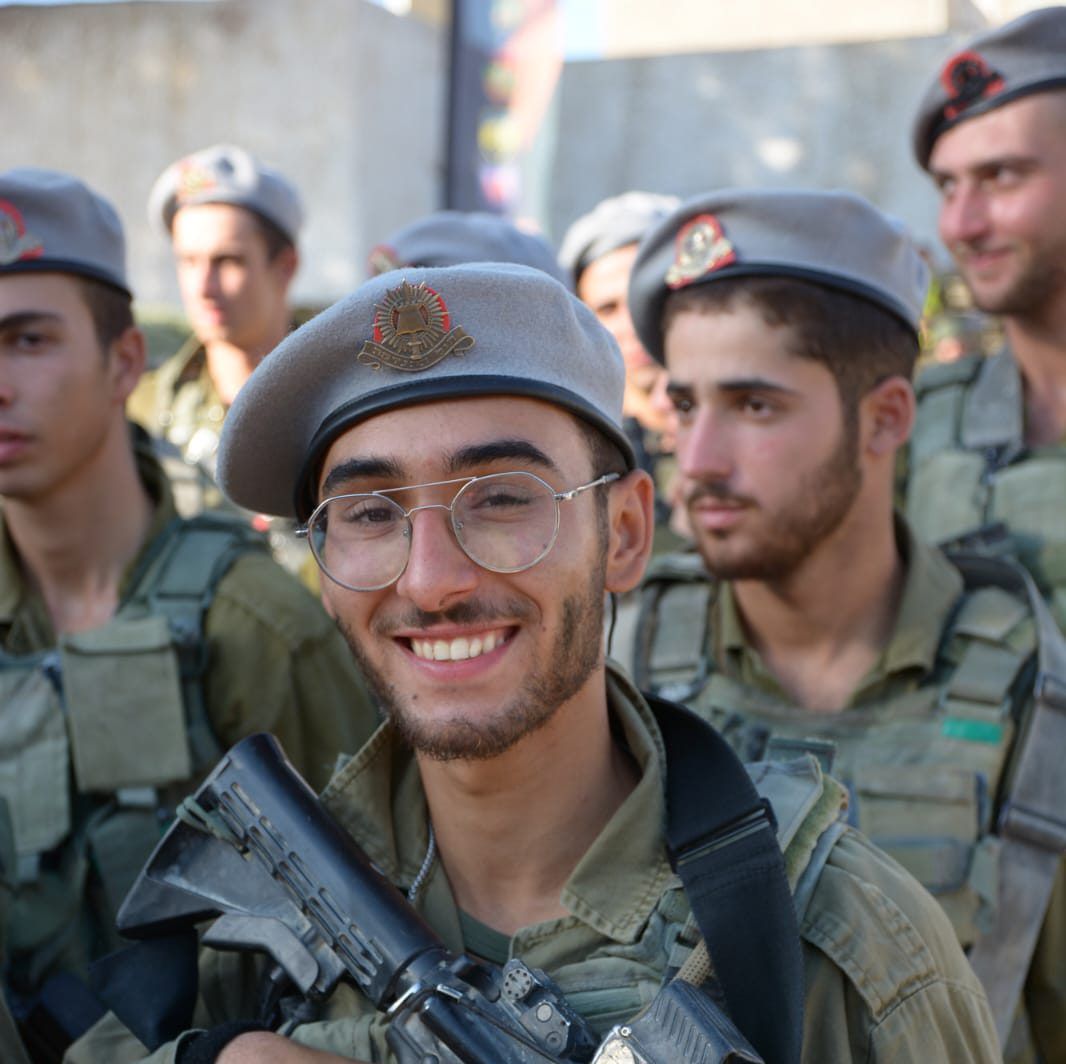
For Dudu and many other veterans dealing with post-trauma, the hours of Memorial Day are an exhausting internal battle.
The Triggers: "Everything becomes stronger - the images, the sounds, the moments. It could be a smell, a song, or a ceremony; any small thing reignites it all. He describes a deep, inexplicable guilt. "Why am I here and they aren't?" Dudu explains that the war takes a physical piece of one's soul: "There is a part of you that truly stays there, with them."
"I Want to Go, But I’m Not Capable"
The emotional burden has created literal physical boundaries. Dudu can no longer bring himself to visit cemeteries, even for his closest relatives.
"They sent me an invitation to the memorial for my uncle, whose ceremonies I attended every year. I can't even go to that. I am unable to go up to the graves. I want to so badly, but I'm just not capable. I don't even go to funerals anymore."
Dudu’s uncle, after whom he was named, was himself a shell-shocked veteran of the Second Lebanon War. This personal history adds a heavy layer to Dudu’s own struggle, which was further exacerbated by the recent military tensions with Iran, which he says "threw us back into the war itself."
As the siren sounds, Dudu will stand in silence far from the crowds. His thoughts will be with the friends he left behind and those who collapsed under the weight of the aftermath.
He remembers Akiva Yasinski, Sgt. Ariel Sosnov who fell in Lebanon, and Eliran Mizrahi, who took his own life after returning from the front. For Dudu, the military campaign may have ended, but the battle for life continues with every breath.