A Visit Between Old Friends

MK Maklev Visits Rabbi Dov Kook in Hospital

The legislator shared memories from their teenage years together, including the revered rabbi's early ascetic practices that he tried to hide from friends

Malev visists Rav Kook

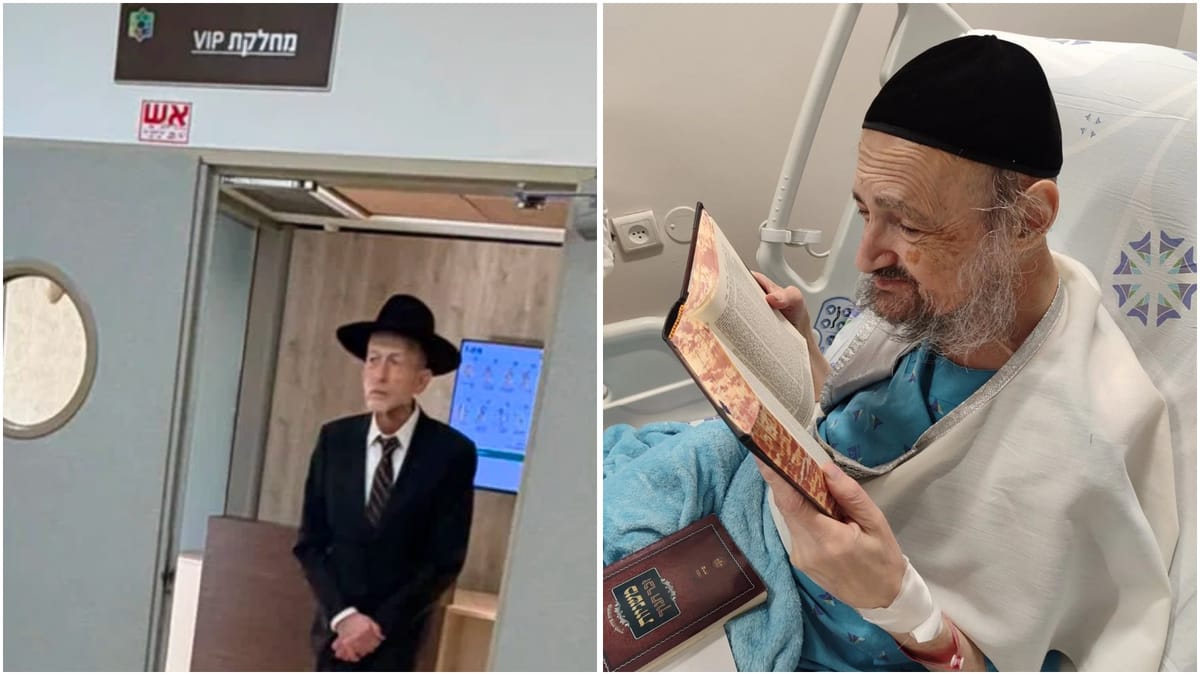
Knesset Member Uri Maklev paid a hospital visit this week to Rabbi Dov Kook, the revered Tiberias-based rabbi who has been hospitalized recently. Those close to Rabbi Kook were surprised by the level of alertness and engagement the rabbi displayed throughout the visit.

According to family members present, the rabbi clearly recognized Maklev and followed his words with close attention. As the conversation progressed and Maklev recalled stories from their shared youth, the rabbi showed increasing involvement, responding with nods and facial expressions.

The two men first met over fifty years ago in Ramat Gan, both growing up as sons of rabbinic families. During the visit, Maklev returned to that era, noting that many of the behaviors now associated with Rabbi Kook were already evident when he was a young teenager.

"He had an exceptionally strong mind, rare intelligence, and a brilliant intellect," Maklev recounted. "But alongside that talent, he already had a level of asceticism we didn't see in boys that age. Today everyone knows Rabbi Dov and his ascetic lifestyle, but I remember these things from when we were young boys. This isn't something that started after he became well-known. That's how he lived even then."

One memory Maklev shared with the rabbi and those present took him back to when they were both around 18 years old. Maklev noticed that Rabbi Kook ate very little. When he didn't show up for lunch, Maklev would set aside a portion for him, thinking he'd arrive later. But time after time, the meal went uneaten and was eventually given to someone in need.

Eventually, Maklev discovered what Rabbi Kook had been trying to hide from his friends. The young rabbi kept a bottle of vinegar and would secretly pour it over his food during meals to spoil the taste and avoid deriving pleasure from eating.

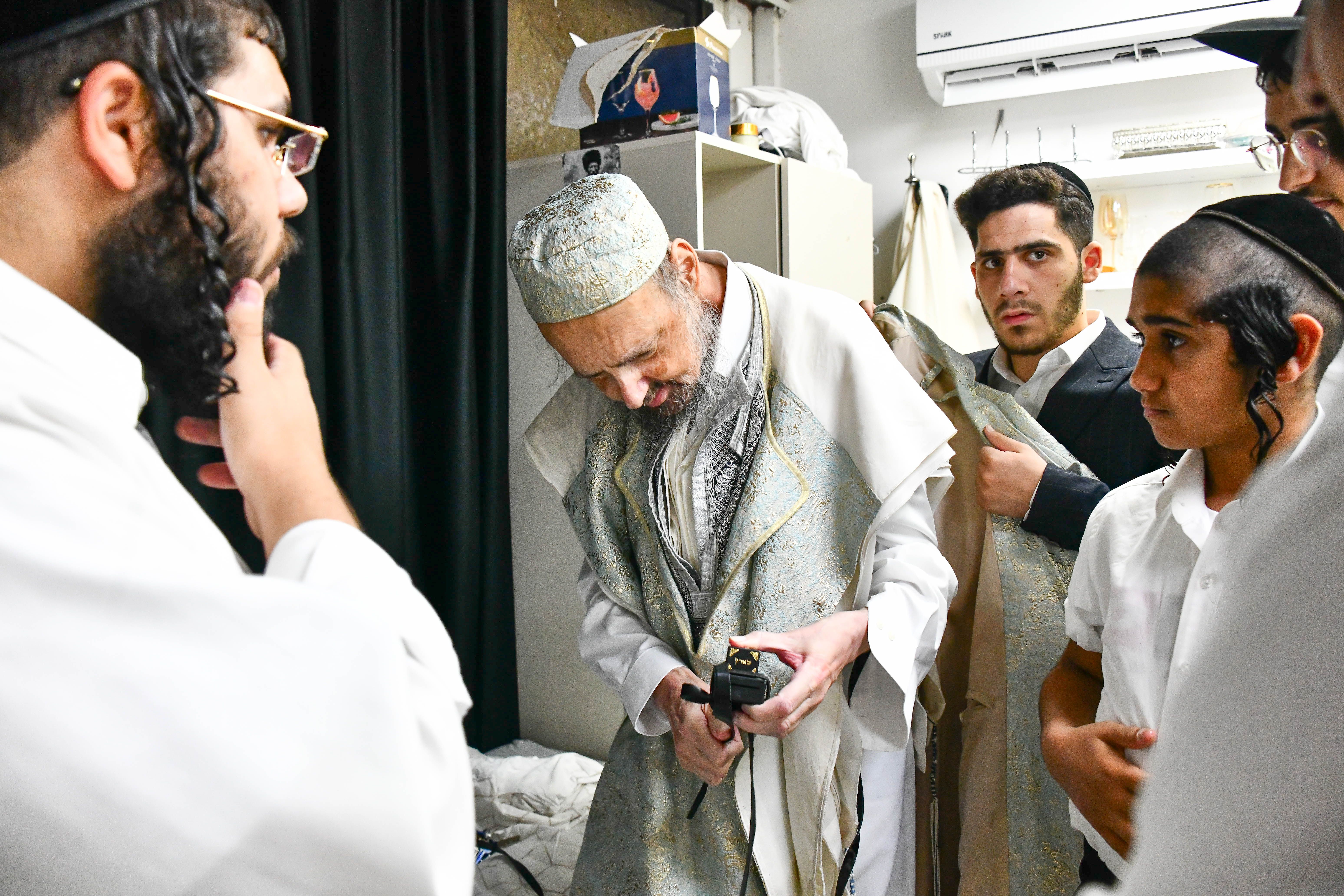
הגאון רבי דב קוק מטבריה
הגאון רבי דב קוק מטבריה (צילום: שוקי לרר)

When Maklev noticed this practice and asked about it, Rabbi Kook downplayed his behavior. "It's good for my health," he replied briefly.

Only later, Maklev explained, did he understand this wasn't a health matter. The vinegar was part of the self-mortification practices Rabbi Kook had adopted even in his youth, using it to prevent himself from enjoying the taste of food. All of this, Maklev emphasized, was done privately—he tried to hide it even from the friends around him.

As Maklev told these stories, Rabbi Kook listened intently. He nodded, responded with facial expressions and movements, and those close to him who were in the room were moved to see his level of engagement in the conversation, particularly given his condition in recent times.

Later in the visit, Maklev turned to words of Torah. He chose to share with Rabbi Kook a teaching he had heard from the late Rabbi Yosef Shalom Elyashiv, who was the grandfather of Rabbi Kook's wife, Rebbetzin Leah Kook.

"For an individual, we see that the order is first forgiveness, then healing," Maklev began, citing Rabbi Elyashiv. "In the Amidah prayer, we say 'Forgive us' before 'Heal us.' Similarly, the verse states, 'Who forgives all your iniquities, Who heals all your diseases.'"

"But for someone engaged in communal needs," he continued, "the order reverses. In the 'Mi Shebeirach' blessing for those involved in public service, we say first 'may He heal their entire body' and only afterward 'may He forgive all their sins.'"


Maklev turned to Rabbi Kook and added: "For someone who has the merit of serving the community, healing comes first."

At precisely this point, one of the rabbi's most notable responses during the visit occurred. Rabbi Kook listened with concentration, nodded several times, and reacted to the words with movements and facial expressions. Those close to him, who are intimately familiar with his condition in recent times, were moved to see his response and the alertness he displayed.

At the visit's conclusion, Maklev bid farewell to his friend from their youth and wished him a complete recovery and renewed strength. The public is asked to continue praying for the recovery of Rabbi Chezekiah Dov ben Shoshana, among all the sick of Israel.

Ready for more?

Join our newsletter to receive updates on new articles and exclusive content.

We respect your privacy and will never share your information.

Enjoyed this article?

Yes (49)
No (2)
Follow Us:

Unmissable content


Loading comments...

Also of Interest