First Rain Break Records

RECORD BROKEN! The First Rain of the Season Just Made History

Northern Israel experiences historic rainfall with Shavei Zion recording 125mm in 24 hours, breaking a 93-year-old September record. Flooding reported in coastal areas.

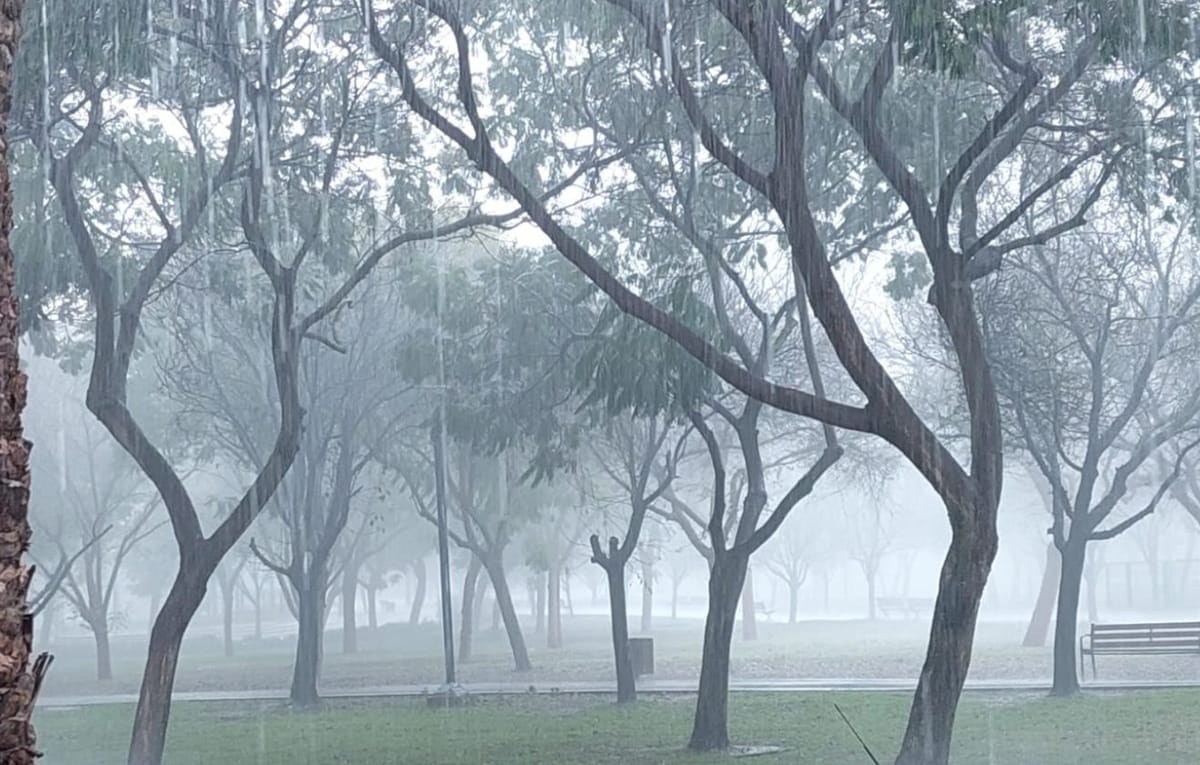
First rain in Nahariya
First rain in Nahariya (Photo: screenshot from X)

The first rains of the season have brought record-breaking downpours to northern Israel, with one moshav recording an unprecedented amount of rainfall for a single day in September. The heavy precipitation broke a 93-year-old record, marking a dramatic start to the country's wet season.

Over 125 millimeters (4.9 inches) of rain fell on Wednesday night and Thursday morning in the northern moshav, Shavei Zion. This new record surpassed the previous one set on September 12, 1932, when 95.7 millimeters (3.76 inches) of rain was recorded in the Gush Etzion area near Jerusalem.

The most intense rainfall was concentrated along the northern coastal plain, the Carmel mountain range, and the Western Galilee. The coastal city of Acre received 83.1 millimeters (3.27 inches), while Kibbutz Eilon in the Western Galilee saw 12.5 millimeters (half an inch). Further south, the rainfall was significantly lighter, with Herzliya receiving just 4.4 millimeters (0.17 inches) and Petah Tikva only 2.7 millimeters (a tenth of an inch). Central and southern regions, from Jerusalem southwards, experienced no rain at all.


The sudden downpour led to localized flooding, particularly in the coastal city of Nahariya, where drainage issues in the Ga'aton stream overflowed. The Israel Meteorological Service has also issued warnings for high seas, with waves reaching up to 2 meters, making swimming dangerous.

In response to the heavy rains and the resulting runoff, the Haifa Municipality issued a ban on swimming. The ban is a common precaution to prevent bathers from being exposed to pollutants that get washed onto the beaches with the first rain of the season.

Despite the early deluge, a botanist from Tel Aviv University, Yuval Sapir, cautioned against predicting an effect on the season's wildflowers. Sapir noted that September rains are not unheard of and that intense, short-lived downpours often fail to be fully absorbed by the ground.

Ready for more?

Join our newsletter to receive updates on new articles and exclusive content.

We respect your privacy and will never share your information.

Enjoyed this article?

Yes (198)
No (8)
Follow Us:

Loading comments...