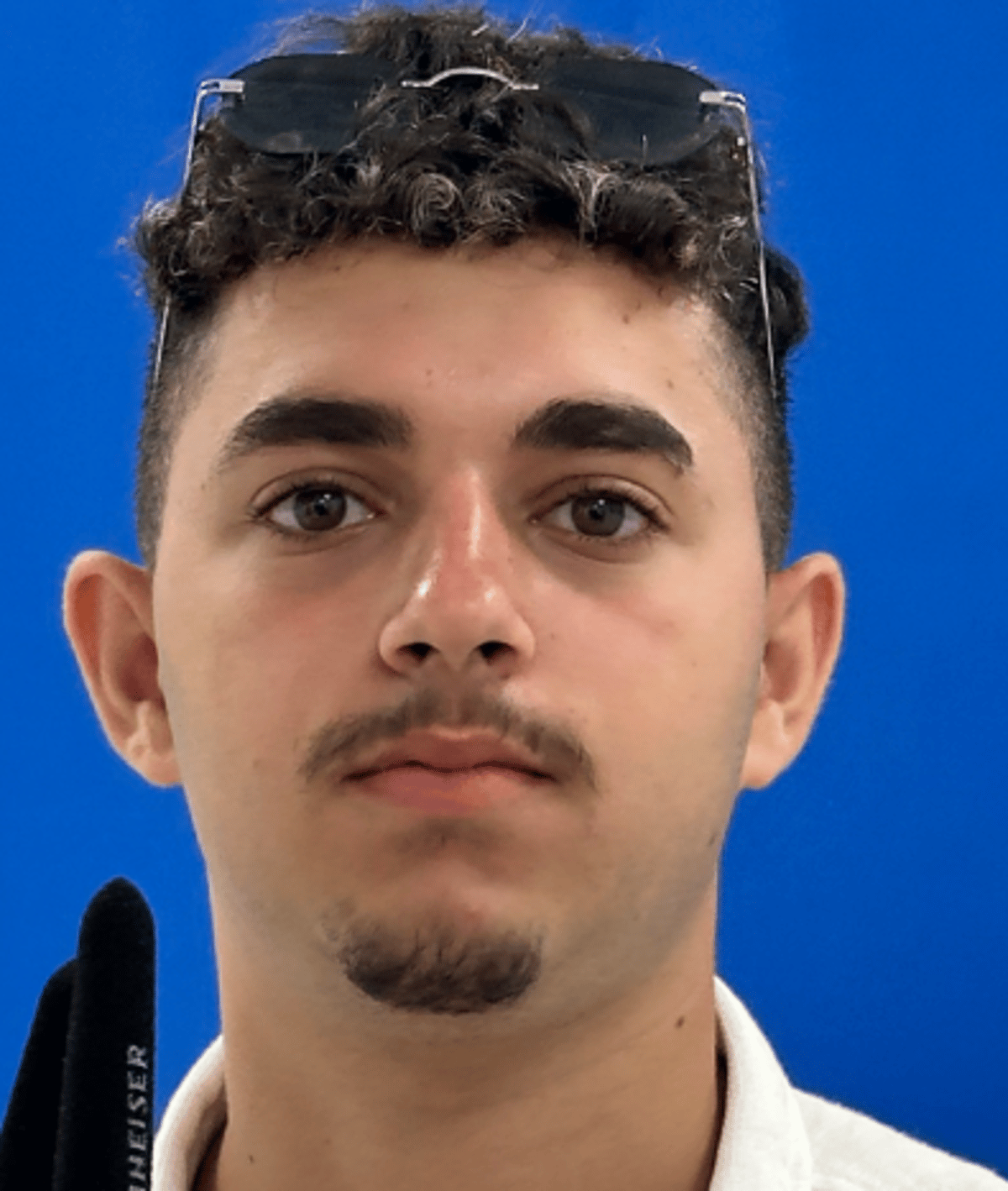
Marwan Jaber was, by his own admission, a fan. The 17-year-old from Daliyat al-Karmel in northern Israel had followed Lamine Yamal for years, admired his game, and even copied the Barcelona winger's signature hairstyle. Then came the politics and everything changed.
Jaber, a Druze Israeli who built a significant following online during the war with pro-Israel advocacy content, says he felt personally betrayed when Yamal began making political statements about the conflict. So he did what any influencer would do: he made a video. In it, he picked up a Yamal jersey and threw it in the trash.
The clip went viral almost immediately, racking up millions of views. Shortly afterward, Jaber says, his Instagram account went dark.
"I woke up and it was just gone," he told Ynet. He believes what happened next was coordinated: a mass reporting campaign by Yamal's supporters, organized specifically to get his account suspended. He says he has screenshots from people who messaged him directly, boasting that they had reported him.
From October 7 to Online Activism
Jaber's story begins on the morning of October 7, 2023. Like many Israelis, he watched the Hamas attacks unfold feeling helpless. His response was to pick up his phone and start filming.
What followed was an unlikely social media career. His videos, direct, personal, and aimed squarely at international audiences, accumulated millions of views, particularly among younger viewers abroad who had rarely encountered a pro-Israel voice from inside a minority community. Being Druze, he says, gave him a perspective that cut through in ways that other voices sometimes couldn't.
Over time, Jaber became one of the more recognizable young Israeli faces on social media, navigating the intersection of identity, war, and online culture with an ease that belied his age.
The Yamal Moment
His collision with one of football's brightest stars was, in some ways, inevitable. As Yamal's profile grew and the Barcelona teenager began weighing in on the Israeli-Palestinian conflict, Jaber, who had admired the player for years, felt a line had been crossed.
"Football and politics shouldn't mix," he said. "When he brought it into the game, I had to respond."
The jersey video was his response. It was blunt, theatrical, and clearly designed to provoke and it worked, in both directions. Millions watched it. And then, Jaber says, the backlash came not in the form of debate, but in the form of mass reporting.