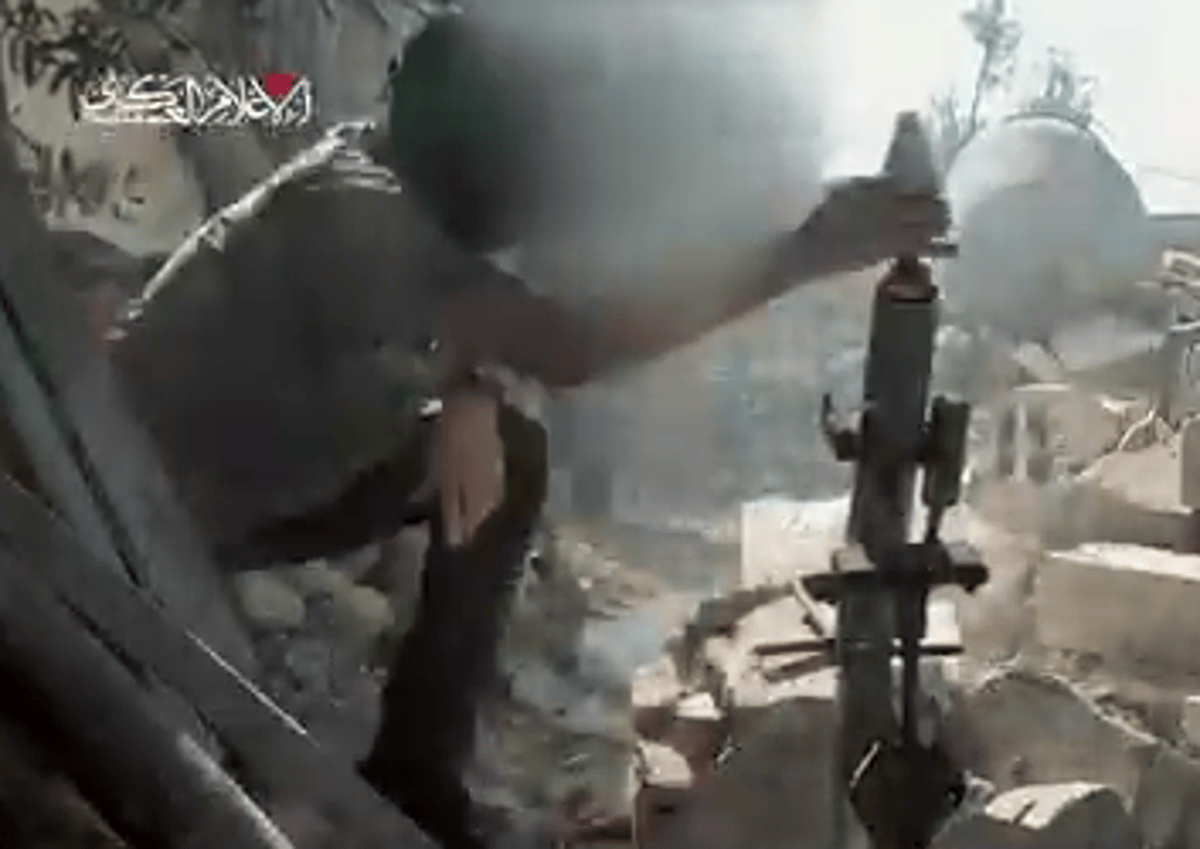
On August 20, 2025, Hamas raided an IDF outpost east of Khan Younis, framing it as a significant infiltration attempt that exposed operational vulnerabilities amid the ongoing Gaza conflict.
The incident, which occurred during a daily humanitarian pause, involved a coordinated Hamas squad emerging from a tunnel to ambush troops of the Kfir Brigade, resulting in three IDF soldiers wounded, one seriously and two lightly, and the deaths of at least 15 Hamas gunmen, according to the IDF's initial investigation. Hamas, in footage released shortly after, claimed eight of its fighters were killed and highlighted tactics including close-quarters combat and a suicide bomber, but Israeli probes contradict some details, emphasizing the group's failed kidnapping intent.
The Raid Unfolds: IDF Timeline
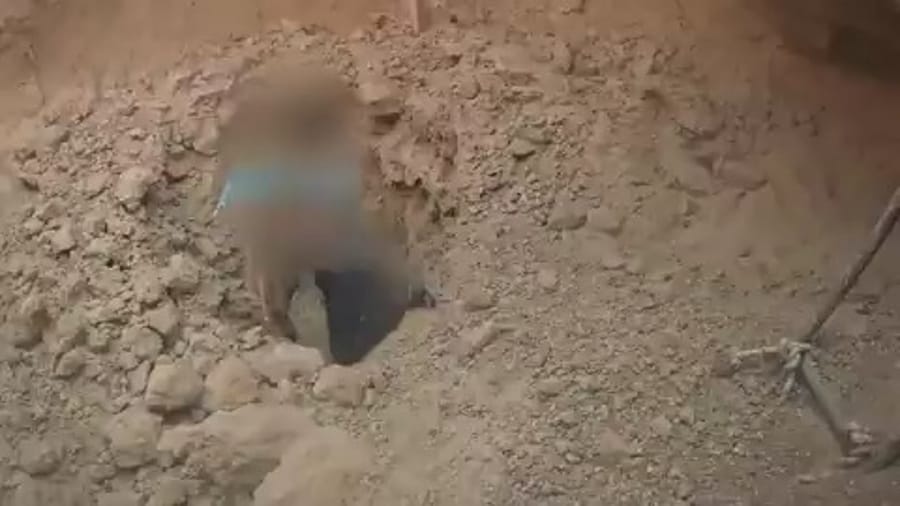
According to an IDF probe, the attack began around 9 a.m. local time, when 15-18 Hamas operatives emerged from a tunnel shaft located just 40-50 meters from the outpost, a makeshift compound along the Magen Oz corridor, secured by the Kfir Brigade as part of Operation Gideon’s Chariots. The outpost, comprising captured buildings, dirt embankments, and a yard for tanks and armored vehicles, had been flagged for suspicious activity in the preceding days, including at least three movements near the site. Despite this, the squad went undetected until they breached the perimeter.
The gunmen, split into three squads armed with machine guns and RPGs, exploited the humanitarian lull to advance. One squad targeted Merkava tanks with explosives and shells, while others infiltrated the living quarters for point-blank engagements, aiming to kidnap soldiers, evidenced by them carrying a stretcher. Soldiers from the Haruv Reconnaissance Unit, initially asleep, awoke to gunfire and responded immediately, with some squads mistakenly storming an empty building due to IDF preparations.
IDF forces quickly repelled the assault: Snipers, infantry, and a tank shelled the infiltrators, with footage showing a tank rolling over an armed Hamas attacker. The Israeli Air Force conducted strikes on the remaining gunmen, killing nine within two hours and the rest shortly after, for a total of 15 eliminated. An aerial hunt ensued, with fighter jets targeting the area, and the incident was declared over by evening. Southern Command chief Maj. Gen. Yaniv Asor visited the site post-raid to assess.
The tunnel, recently discovered and damaged in prior operations, was part of a broader network; IDF sources noted it had been under surveillance for weeks but was not fully neutralized.