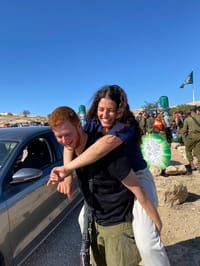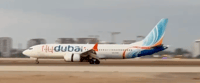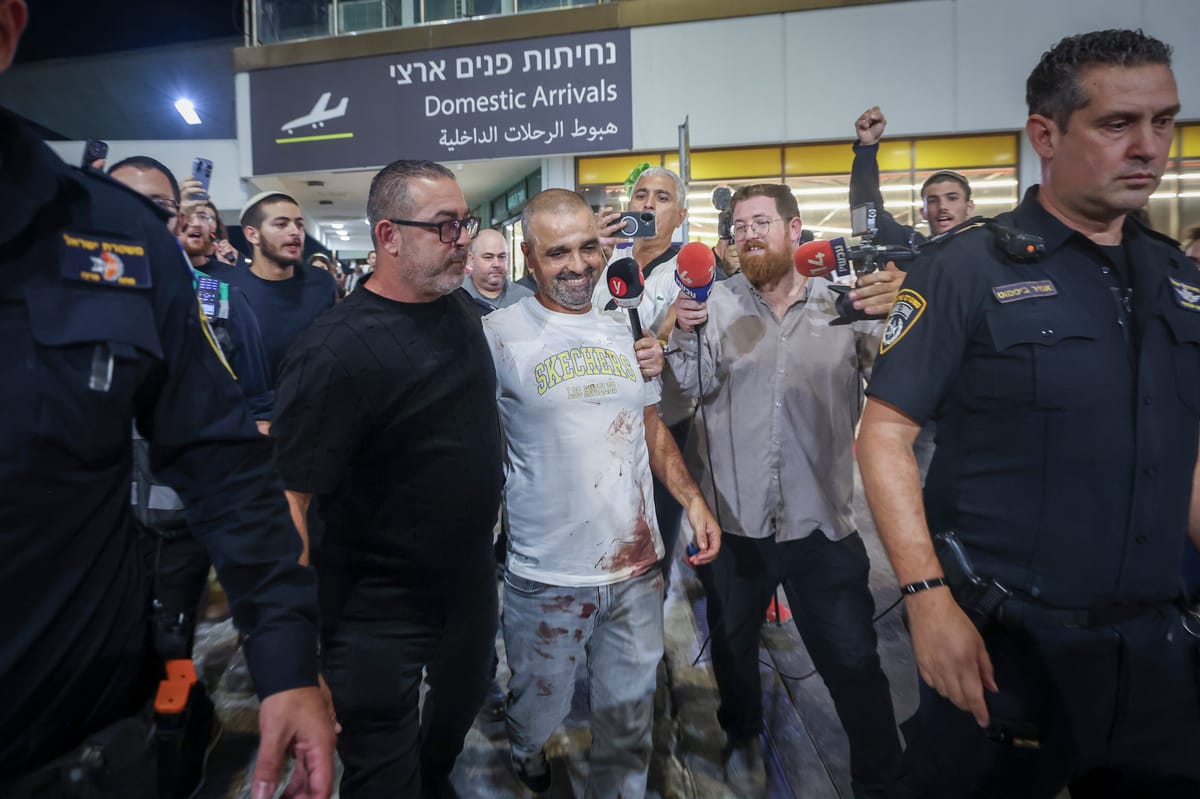
"I feel like I'm reliving the flight constantly. I have a lot of internal anxiety and everything startles me," Daniella Elmaliah, one of the passengers on the Flydubai terror flight from Dubai to Israel, told Ynet in an interview published Tuesday evening.
Five days after the incident, passengers who survived the attempted downing are struggling to return to normal life, and many report they are coping alone, with no meaningful response or assistance from state authorities, according to the Ynet report.
Elmaliah, who was returning from Thailand, described her ongoing distress and said that apart from media attention in the first days after landing, no official body has contacted the passengers to update them or offer support. Without government assistance, she said, passengers are searching for help on their own through various organisations, while trying to function at work and with family despite deep psychological injury.
Another passenger, Oren Pashreni, who sat in the first row near the cockpit, reconstructed the moments when the plane began to dive suddenly. He said he heard screams from the cabin and understood immediately that it was a real life-threatening situation, with only minutes separating them from full catastrophe.
Pashreni expressed deep frustration that the state is not taking responsibility for citizens who were the target of a deliberate nationalist attack, and stressed that the prevailing feeling among passengers is that they have been left alone. Five days have passed since the incident, he said, and still no rights are clear to them and the state has not rushed to recognise the event as an official terror incident.
According to the report, while passengers are crying out for help, the Ministry of Health has chosen a cautious approach and refrained from proactive outreach to all passengers. A professional source in the ministry explained that there is clinical debate on the issue, as direct contact could cause unnecessary pathologisation of natural anxiety and stress responses that appear in the first days after trauma, with the aim of allowing passengers to rely on their own internal resilience.
At the same time, government bureaucracy and disputes between ministries have left the field without an organised response. The Ministry of Welfare tried to initiate contact to obtain passenger lists in order to offer accompaniment by social workers, but the Airports Authority claimed the information is private and cannot be transferred without legal counsel, and the airline has not responded to inquiries on the matter.
The legal and insurance issue is also complicated. National Insurance clarified that activating an "anxiety protocol" is conditional on the event being defined as an act of hostility by the Ministry of Defense and security bodies. The Ministry of Defense responded that decisions on the matter will be made according to information gathered from investigative bodies, while claims themselves are submitted first directly to National Insurance for examination of recognition.
The Ministry of Transport, meanwhile, has directed passengers to deal directly with the Emirati airline itself. The ministry's statement said that the Montreal Convention governs airline liability for damages caused to passengers during flight, and therefore anyone who suffered psychological or health damage is invited to demand compensation directly from Flydubai or turn to the usual legal channels.
The incident is already leading to wider implications and new regulatory demands at senior levels in Israel. Transport Minister Miri Regev has urgently approached the head of the Civil Aviation Authority demanding immediate and tighter measures, including creation of an advance aviation visa protocol that would require inspection and approval by the Population Authority and security bodies for all passengers and air crew on foreign flights arriving in Israel.