Get our mobile app
Download on the App StoreGet it on Google Play

Contrary to accusations from the left

What really blocked the hostage deal

Brett McGurk, President Biden's senior Middle East adviser, publishes a memoir with dramatic details on the hostage negotiations. Contrary to claims from the left, it was Hamas, not the Israeli government, that repeatedly sabotaged the deals.

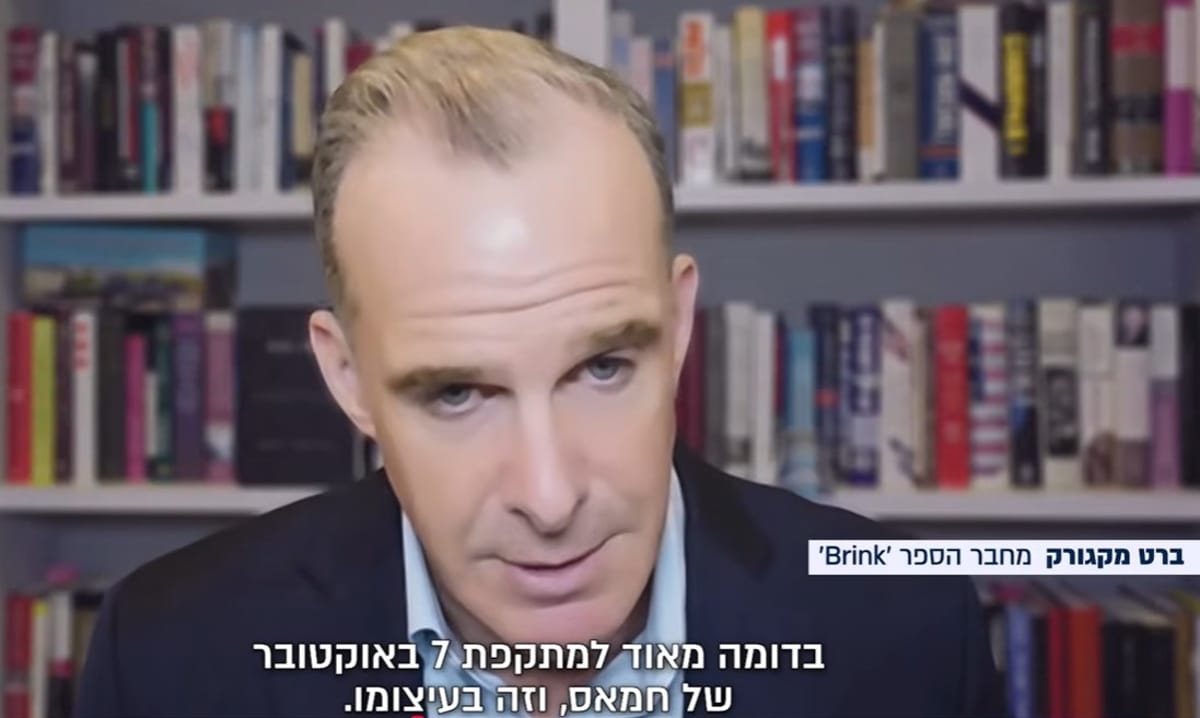
Brett McGurk in interview

Brett McGurk, one of President Joe Biden's most senior and trusted advisers on Middle East affairs, has published a new memoir and granted an exclusive interview to i24News correspondent Amichai Stein, offering an unprecedented look behind the scenes of the war.

McGurk, who led the White House's intensive efforts to secure the release of the hostages, states unequivocally that it was Hamas, not Israel, that repeatedly torpedoed and derailed attempts to reach agreements.

According to McGurk, Hamas imposed impossible demands and employed brutal delay tactics throughout the negotiation period. He reveals dramatic details about the complex dynamics and tense late-night conversations between President Biden and Prime Minister Netanyahu at critical decision points, the sharp debates over the Rafah operation and humanitarian aid, and American frustration with media leaks.

"Only Military Pressure Brought the Deals"

Channel 12 political analyst Amit Segal recommended the public make time to listen to the remarkable interview. "I recommend everyone set aside 45 minutes, brush up on your English, and listen to an astonishing episode in which Brett McGurk—one of the senior officials in the Biden administration, an administration that really doesn't like Netanyahu and the current government, shatters a series of lies about what happened in Gaza in recent years," Segal wrote.

McGurk presents a firm position regarding the effectiveness of military pressure. According to him, military pressure did not kill hostages; rather, only military pressure actually brought about all the deals. "Without military pressure, Sinwar would never have released anyone, maybe it would have taken 10 years," McGurk said in the interview. He added that the entire story about the six hostages murdered in Rafah supposedly because of military pressure, that's exactly the opposite. Sinwar had no intention and it never crossed his mind that this would happen, and there wasn't even the beginning of an offer.

Additionally, McGurk addressed the US administration's position on fighting in Rafah. According to him, Biden did not oppose Israel entering Rafah because Israel was stubborn and only wanted to fight, but simply because he was tired of the war and began paying a political price for it.

The Leaks That Sabotaged the Deal

McGurk's revelations align with claims by former Defense Minister Yoav Gallant, who argued that an interested party leaked the secret number in the negotiations and led to the collapse of the deal. Gallant revealed that a document circulated among Benjamin Netanyahu, Benny Gantz, and Gallant established that the target would be the release of 33 hostages, but the minimum Israel was prepared to accept was 18 hostages.

According to Gallant, the number 18 was leaked to the media, allowing Hamas to understand Israel's red line and leading to the collapse of contacts. "Connect all the dots," Gallant hinted regarding the identity of the leaker.

Cabinet Secretary: "Returning Hostages Earlier Would Have Been Defeat"

Parallel to McGurk's revelations, Cabinet and Political-Security Cabinet Secretary Yossi Fuchs came out against senior security officials who claimed all the hostages could have been returned at an earlier stage of the war. Fuchs argued such a move would have required a complete IDF withdrawal from the Gaza Strip and a commitment not to return to fighting.

"It pained me greatly to hear during these days of remembrance claims from senior security officials who were in those same discussions that all the hostages could have been returned at an earlier stage of the war," Fuchs said. According to him, those same officials know very well that returning all the hostages at an earlier stage would have been conditional on a complete IDF withdrawal from the Gaza Strip including the Philadelphi Corridor, as well as international guarantees that Israel would not return to war.

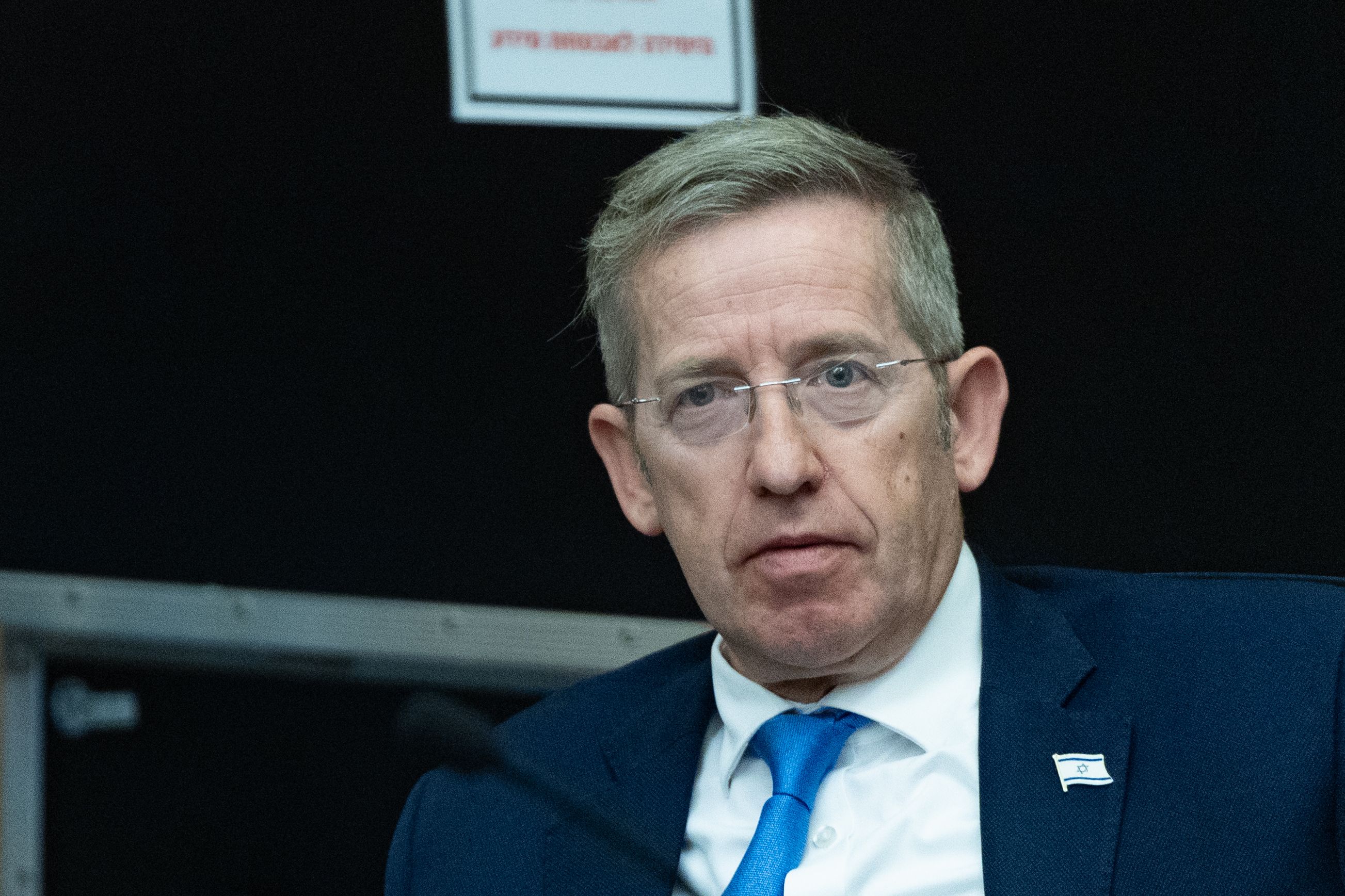
Yossi Fuchs
Yossi Fuchs (Photo: Yonatan Sindel/Flash90)

A Complex Picture of the Negotiations

McGurk's revelations paint a complex picture of the hostage release negotiations. On one hand, they confirm the claim that Hamas was the party that sabotaged the deals and imposed impossible demands. On the other hand, they expose the tensions and debates between Israel and the United States, and American frustration with media leaks that damaged negotiation efforts.

The full interview of McGurk with Amichai Stein provides a rare glimpse into the decision-making rooms at the White House and the Israeli government, and rewrites the public perception of the hostage release contacts. McGurk's new book is expected to be an important source for understanding the events that took place behind the scenes during the war.

Ready for more?

Join our newsletter to receive updates on new articles and exclusive content.

We respect your privacy and will never share your information.

Enjoyed this article?

Yes
No
Follow Us:
2

Unmissable content


Loading comments...

Also of Interest