Get our mobile app
Download on the App StoreGet it on Google Play

After the Elections

Liberman: "No intention" to chair Knesset

Yisrael Beiteinu chairman turns down approaches for Knesset speaker role • Eisenkot and Lapid meet to coordinate moves • President Herzog to begin coalition consultations Wednesday

Liberman: I have No Desire and No Intention to be Knesset Speaker

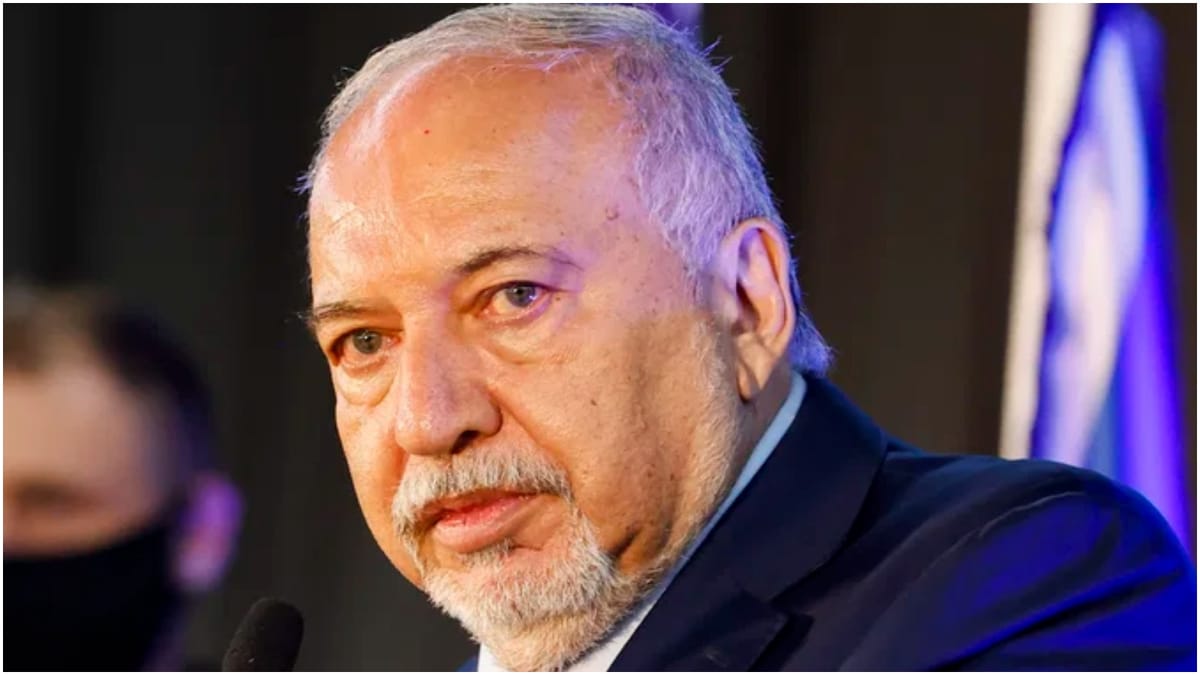
Yisrael Beiteinu chairman Avigdor Liberman made clear Saturday night that he has no intention of accepting the role of Knesset speaker. "I received several approaches," Liberman wrote on X, adding that he has "no desire and no intention to be Knesset speaker."

The statement comes against the backdrop of election results that left both blocs without a clear majority. The current coalition holds just 53 seats, facing 48 mandates for the change bloc. Yisrael Beiteinu won seven seats, making it a pivotal player in any political move.

It remains unclear whether the approaches Liberman received came from Prime Minister Binyamin Netanyahu's circle or from other sources. The Knesset speaker position is considered one of the central roles in the political system and could form part of coalition negotiations.
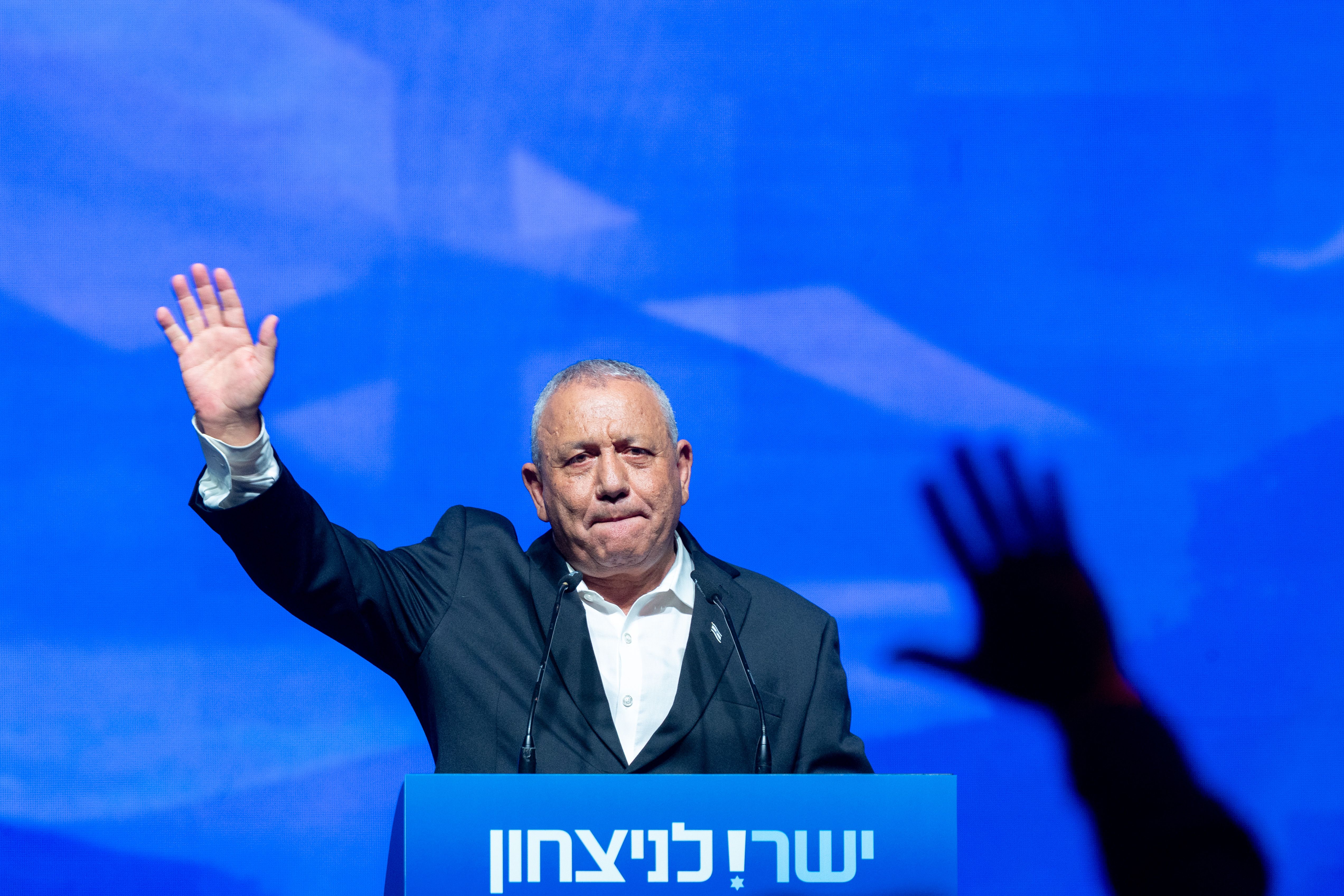
Meanwhile, in the change bloc, Gadi Eisenkot and Yair Lapid held a meeting Saturday night. According to an update from the Yashar party, the two discussed the election results and coordinated moves "out of a shared commitment to implement the will of the voter."

The meeting takes place as the change bloc attempts to formulate a unified position ahead of consultations with the president. The final election results made clear that neither bloc can form a government without external support.

Gadi Eisenkot
Gadi Eisenkot (Photo: Miriam Alster/Flash90)

President Yitzchak Herzog will open consultations Wednesday with representatives of the parties elected to the 26th Knesset. During the consultations, party representatives will inform the president whom they recommend to form the government.

The process comes amid an especially complex political situation. For the first time in decades, a majority of eligible voters cast ballots for parties outside the current coalition, as President Herzog noted in his remarks on the results.

Various alternatives to resolve the deadlock are being examined in the political system. Senior figures in the change bloc confirmed that the possibility of a one-time move to direct elections for prime minister is under consideration, a step that would allow formation of a government without 61 mandates.

Ready for more?

Join our newsletter to receive updates on new articles and exclusive content.

We respect your privacy and will never share your information.

Enjoyed this article?

Yes
No
Follow Us:

Unmissable content


Loading comments...

Also of Interest