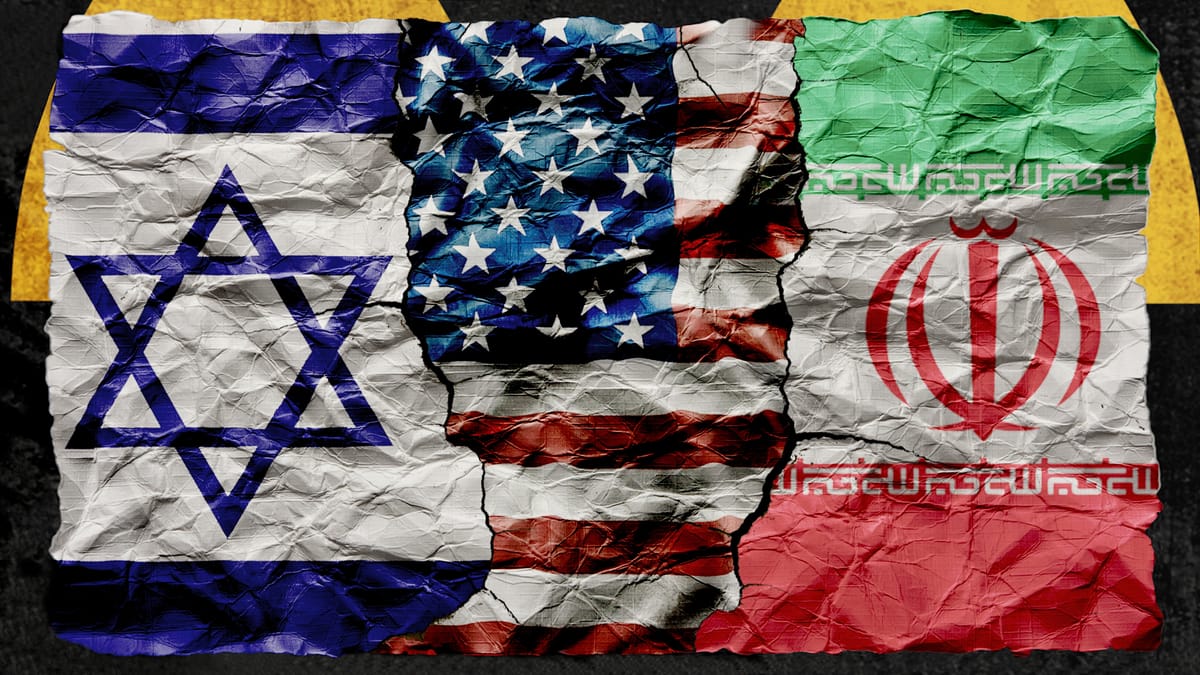
The Trump administration has issued a direct request to the israeli government to maintain a period of military restraint while sensitive diplomatic negotiations with Iran are underway. this request comes as the two nations prepare for high-level meetings in Oman due to take place tomorrow (Friday, February 6), which are being viewed as a potential turning point in the standoff over Iran’s nuclear program.
This U.S. request for restraint is tied to a specific diplomatic window, following a series of intensive briefings in Washington involving Israeli defense officials and U.S. military leaders, the Trump administration has signaled that it wants to test the viability of a "fair and equitable" deal before pursuing kinetic options.
The talks, originally proposed for Turkey, were moved to Oman at Tehran's request. Iran’s leadership reportedly prefers the neutral ground of Muscat to keep the discussions focused strictly on nuclear constraints rather than regional proxies and ballistic missiles.
The White House has articulated a "diplomacy first" approach backed by a massive regional military buildup. While President Trump has warned that "bad things" will happen if talks fail, the current priority is to prevent any military escalation from derailing the Friday summit. U.S. allies in the region, including Turkey, Qatar, and Egypt, have been working behind the scenes to facilitate these talks, arguing that an Israeli or American strike at this moment would likely trigger a full-scale regional war.
Israel’s security cabinet remains publicly skeptical of the diplomatic track. according to reports from washington, israeli officials have presented war plans and briefed U.S. counterparts on what they describe as "overdue" accounts with the Iranian regime.
Prime Minister Netanyahu has reiterated that the Islamic republic cannot be trusted and continues to advocate for the complete dismantling of iran’s nuclear and missile capabilities.
Some Israeli military analysts suggest that the window for restraint is narrow, noting that the IDF is prepared to act if the Oman talks show no immediate signs of Iranian flexibility on uranium enrichment.
Despite the request for restraint, the military posture in the Persian Gulf remains at a heightened state of readiness. The U.S. has moved carrier strike groups, including the USS Abraham Lincoln, into the Indian Ocean and Gulf of Oman to serve as "leverage" during the negotiations. Iran has warned that any strike by either the U.S. or Israel would result in immediate retaliation against israeli targets.