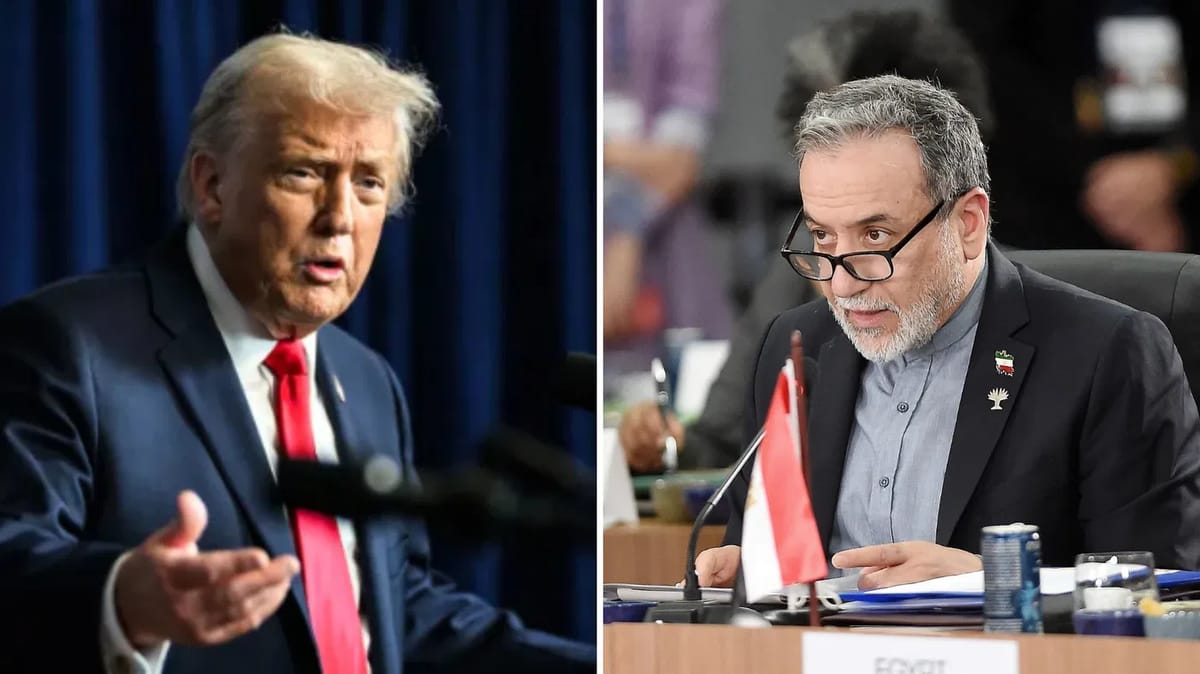
In a stunning diplomatic whiplash that has kept the world on edge, the high-level talks between the United States and Iran are officially back on for Friday morning in Muscat, Oman. This reversal comes just hours after senior American officials had declared the negotiations dead, citing an "all or nothing" stalemate over the meeting’s format and agenda. The sudden shift was sparked by an unprecedented intervention from at least nine Arab and Muslim nations, who launched a coordinated pressure campaign on the White House to prevent a total collapse of the peace process. While President Trump and his team remain deeply skeptical of the Iranian regime’s intentions, the decision to proceed at 10:00 AM on Friday represents a final, fragile attempt to resolve the nuclear crisis through words rather than a wider regional war.
The Pressure Campaign from Regional Allies
The initial collapse of the talks occurred when the U.S. insisted on a broad agenda including ballistic missiles and human rights, while Iran demanded a narrow focus on nuclear enrichment. However, the prospect of a complete diplomatic vacuum alarmed regional capitals. Leaders from across the Middle East reportedly sent high-level messages to the White House, urging President Trump to at least "listen to what the Iranians have to say." A White House official confirmed the decision was a gesture of solidarity with these partners, stating that the administration agreed to the change in plans "out of respect" for allies who fear the consequences of a failed negotiation.
Despite this concession, the American stance remains incredibly firm. Secretary of State Marco Rubio reiterated that for any deal to be meaningful, it must address the "absurd" political system in Tehran and the regime's support for terrorists. Vice President JD Vance also noted the difficulty of negotiating with a country where the true leader, Ayatollah Khamenei, remains unreachable. "It’s a very weird country to conduct diplomacy with," Vance remarked, emphasizing that Trump’s bottom line remains a total ban on Iranian nuclear weapons to prevent a regional arms race.
Strategic Distrust and the Military Shadow
Iranian Foreign Minister Abbas Araghchi confirmed the new arrangements on social media, expressing gratitude to "our Omani brothers" for facilitating the 10:00 AM meeting. However, the gap between the two sides remains vast. Araghchi insists the talks will focus "solely on the nuclear program," while the U.S. continues to push for discussions on the Khorramshahr missiles, which have a range of over 2,000 kilometers and were used against Israel in the war last June.
President Trump has maintained a dual-track strategy of talking while threatening total destruction. He recently revealed that the U.S. discovered a secret attempt by Iran to build a new nuclear site after their previous facility was left in "total destruction" by American strikes. "If they try again, I told them we’ll perform the strike again and redo the work," Trump warned, adding that "very hard measures" await if Tehran attempts to deceive the current administration. In Jerusalem, Prime Minister Netanyahu has moved a scheduled cabinet meeting to Thursday afternoon, signaling that Israel is closely monitoring every development in this volatile diplomatic dance.