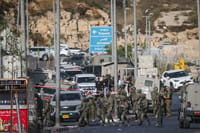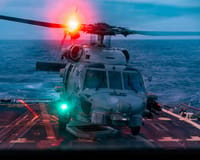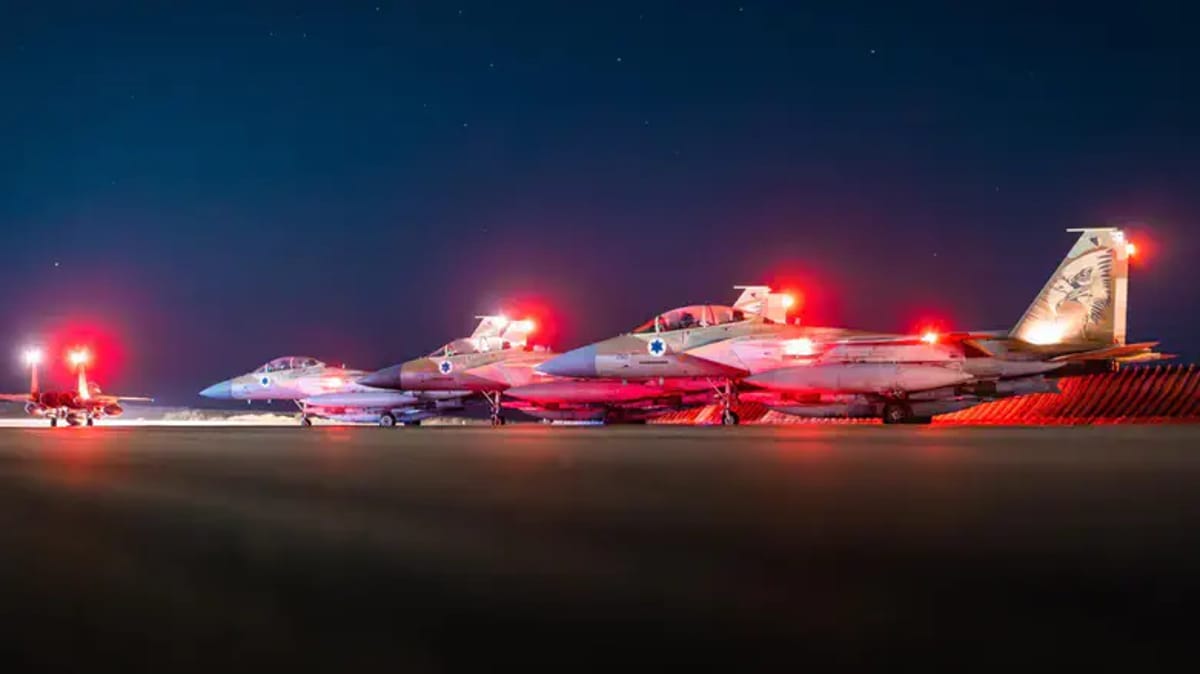
Tensions in the Middle East have reached a critical tipping point following a high level emergency meeting between the commander of US Central Command (CENTCOM), Admiral Brad Cooper, and IDF Chief of Staff Eyal Zamir. The Saturday night summit in Israel, attended by the top brass of both militaries, has led to a growing consensus within the defense establishment that a United States military strike against Iran is now imminent. This strategic coordination comes as the US completes a massive buildup of naval and aerial assets in the region, including the arrival of the USS Abraham Lincoln carrier strike group. In response to the looming threat, international airlines have begun suspending operations to Tel Aviv and other regional hubs, while the Iranian regime has declared a state of full combat alert, promising a devastating retaliation against any aggression.
High-Level Coordination and Strike Readiness
The lengthy personal meeting between Admiral Cooper and Lieutenant General Zamir served as a definitive signal of the deep strategic bond between Washington and Jerusalem. While official statements described the visit as an effort to "strengthen defense cooperation," security sources indicate that the primary focus was the synchronization of a potential military operation against the Islamic Republic. The visit follows weeks of escalating pressure from President Donald Trump, who has warned the Iranian leadership of severe consequences for their continued nuclear enrichment and the violent suppression of internal protests.
The arrival of Admiral Cooper is seen as the final logistical step before a potential offensive. The presence of F-15E Strike Eagles and long range Tomahawk missiles on US destroyers provides the White House with the capacity to hit critical infrastructure targets across Iran. An IDF spokesperson stated that the meeting was a "further expression of the personal bond between the commanders" and the "continued strengthening of defense cooperation," but the subtext of the meeting remains clear: the military infrastructure for a major strike is now fully in place.
Iran’s Defiance and Global Travel Disruptions
Tehran has responded to the joint US-Israeli movements with a mix of defiance and preparation for total war. A senior Iranian official told Al Jazeera that the country has entered a state of maximum readiness. "Iran is on full alert and will use all its capabilities to confront any aggression against it," the official warned, adding that any strike would meet a "painful" defense. This rhetoric aligns with previous threats from the Revolutionary Guard to target American bases in Qatar, Saudi Arabia, and the United Arab Emirates if Washington chooses to intervene.
The reality of the situation is reflected in the sudden disruption of international air travel. Italian airline ITA has canceled all night flights to Israel until Tuesday, citing the heightened security climate. This follows a similar move by the Dutch carrier KLM, which suspended flights to Tel Aviv, Dubai, and Saudi Arabia through Sunday. The Lufthansa Group has also modified its schedule to operate only during daylight hours, avoiding Iranian and Iraqi airspace entirely. These cancellations suggest that the aviation industry is bracing for a significant escalation in the war between the US and Iran, viewing the current silence not as a sign of peace, but as the quiet before a massive military operation.