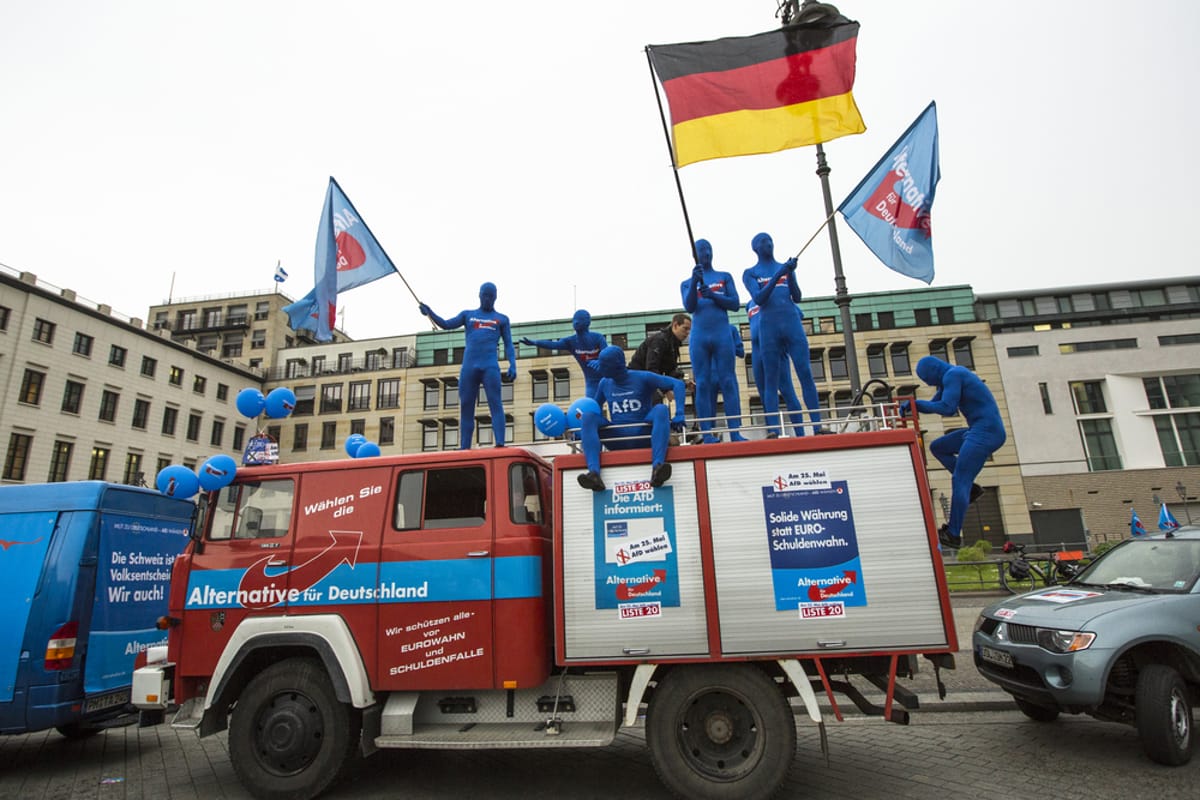
Alternative for Germany (AfD), the far-right party that has steadily gained support across the country in recent years, achieved a historic breakthrough in regional elections, signaling a potential shift in German politics ahead of future national contests.
For the first time since its founding, the party won a regional election outright and will lead the government of Saxony-Anhalt, a state in eastern Germany. According to the latest polling data, AfD candidates secured a decisive majority, meaning party members will hold key positions in the state's governing apparatus for the first time ever.
Germany's political structure, established after World War II, deliberately distributes power across multiple levels of government to prevent the rise of authoritarian rule. Similar to the United States, the country operates as a federal system with authority divided between national and regional governments.
The nation comprises 16 states, each with its own parliament and independent governing mechanisms separate from the federal government in Berlin, which is headed by the Chancellor. Saxony-Anhalt voters chose AfD candidates by a substantial margin to fill these regional governing positions.
This marks not only AfD's first major governing role since the party's establishment, but also the first time any far-right party has won control of a German state government since the end of World War II.